Menu
Medical Condition
Clinical Nutrition & Dietetics
Clinical Nutrition & Dietetics ICD-10: R64_8

Cachexia in Advanced Oncological Malignancy

Multifactorial syndrome characterized by an ongoing loss of skeletal muscle mass with or without loss of fat mass.

Medical Disclaimer
This condition guide is intended for educational and informational purposes only. It does not constitute medical advice, diagnosis, or treatment. Always consult a qualified healthcare provider regarding any symptoms or medical conditions.

Clinical Assessment & Protocol

Typical Presentation (HPI)

EN: Patient with Stage IV pancreatic cancer reports 15% weight loss over 3 months, anorexia, and extreme fatigue. AR: مريض مصاب بسرطان البنكرياس في المرحلة الرابعة يبلغ عن فقدان 15% من وزنه خلال 3 أشهر، فقدان شهية، وتعب شديد.

General Examination

EN: Temporal muscle wasting, visible clavicular prominence, and generalized weakness. AR: ضمور العضلة الصدغية، بروز عظمة الترقوة، وضعف عام.

Treatment Protocol

EN: High-protein, calorie-dense oral nutritional supplements and anti-inflammatory support. AR: مكملات غذائية عالية البروتين وكثيفة السعرات الحرارية مع دعم مضاد للالتهابات.

Patient Education

EN: Frequent small meals and prioritizing protein intake to mitigate muscle wasting. AR: تناول وجبات صغيرة متكررة وإعطاء الأولوية لتناول البروتين لتقليل هزال العضلات.

Systemic & Specialized Examinations

Cardiovascular

EN: S1, S2 present. No murmurs. AR: صوتا القلب الأول والثاني طبيعيان. لا توجد نفخات.

Respiratory

EN: Lungs clear to auscultation. AR: الرئتان صافيتان عند التسمع.

Gastrointestinal

EN: Abdomen soft, non-tender. AR: البطن لين ولا يوجد ألم.

Neurological

EN: Alert, oriented x3. No focal deficits. AR: المريض واعي ومدرك. لا يوجد عجز عصبي بؤري.

Dermatological

EN: Unremarkable or not routinely indicated. AR: طبيعي أو غير مطلوب روتينياً.

Psychiatric

EN: Unremarkable or not routinely indicated. AR: طبيعي أو غير مطلوب روتينياً.

OB/GYN

EN: Unremarkable or not routinely indicated. AR: طبيعي أو غير مطلوب روتينياً.

Ophthalmic

EN: Unremarkable or not routinely indicated. AR: طبيعي أو غير مطلوب روتينياً.

Dental

EN: Unremarkable or not routinely indicated. AR: طبيعي أو غير مطلوب روتينياً.

Orthopedic & Trauma Assessments

Range of Motion

EN: Unremarkable or not routinely indicated. AR: طبيعي أو غير مطلوب روتينياً.

Local Examination

EN: Unremarkable or not routinely indicated. AR: طبيعي أو غير مطلوب روتينياً.

Comprehensive Clinical Guide: Cachexia in Advanced Oncological Malignancy

1. Introduction and Overview

Cancer cachexia is a complex, multifactorial syndrome defined by an ongoing loss of skeletal muscle mass (with or without loss of fat mass) that cannot be fully reversed by conventional nutritional support and leads to progressive functional impairment. Unlike simple starvation, where the body adapts to preserve muscle mass, cachexia is characterized by an aberrant host response to the malignancy, involving systemic inflammation, negative protein and energy balance, and metabolic derangement.

It is estimated that up to 80% of patients with advanced gastrointestinal or lung malignancies will experience cachexia, contributing to approximately 20% to 30% of all cancer-related deaths. It is not merely a symptom of "wasting away"; it is a distinct clinical entity that compromises the patient’s tolerance to chemotherapy, surgical outcomes, and overall quality of life (QoL).

2. Pathophysiology and Mechanisms

The pathophysiology of cachexia is a symphony of systemic inflammation and metabolic dysregulation. It is driven by the interaction between tumor-derived factors and the host’s immune response.

The Role of Pro-inflammatory Cytokines

The hallmark of cachexia is a chronic systemic inflammatory state. Key mediators include:
* TNF-alpha: Inhibits muscle protein synthesis and promotes proteolysis via the ubiquitin-proteasome pathway.
* IL-6: A primary driver of the hepatic acute-phase response (e.g., C-reactive protein elevation) and muscle degradation.
* IL-1 and Interferon-gamma: Synergize with TNF-alpha to induce anorexia and metabolic shift.

Metabolic Alterations

Metabolic Process Cachectic State Mechanism
Proteolysis Significantly Increased Activation of the Ubiquitin-Proteasome System (UPS)
Lipolysis Significantly Increased Increased hormone-sensitive lipase activity
Gluconeogenesis Increased Cori cycle acceleration/inefficient energy use
Protein Synthesis Decreased Inhibition of the mTOR pathway

The Ubiquitin-Proteasome Pathway

The primary mechanism of muscle atrophy is the activation of the E3 ubiquitin ligases, specifically MuRF1 (Muscle RING-finger protein-1) and MAFbx/Atrogin-1. These enzymes tag myofibrillar proteins for degradation by the 26S proteasome, leading to the rapid loss of muscle mass that characterizes the syndrome.

3. Clinical Staging and Grading

The Fearon et al. classification system is the current gold standard for diagnosing and staging cachexia in clinical practice.

Stages of Cancer Cachexia

  1. Pre-cachexia: Weight loss ≤5%, anorexia, and metabolic changes (glucose intolerance, systemic inflammation).
  2. Cachexia: Weight loss >5% in the past 6 months, or BMI <20 and weight loss >2%, or sarcopenia and weight loss >2%.
  3. Refractory Cachexia: A stage of active catabolism where the malignancy is non-responsive to anti-cancer therapy, the patient has a low performance status (ECOG 3-4), and life expectancy is estimated at <3 months.

4. Clinical Presentation and Diagnostic Criteria

Standard Presentation

  • Involuntary Weight Loss: Typically >5% over 6 months.
  • Anorexia: Early satiety and loss of appetite, often refractory to nutritional counseling.
  • Fatigue: Disproportionate to activity levels, often described as "debilitating."
  • Muscle Wasting: Visible atrophy of the temporal, supraclavicular, and quadriceps muscles.

Diagnostic Workup

  • Laboratory Assessment:
    • CRP/Albumin Ratio: High CRP and low albumin are highly sensitive markers of the inflammatory state.
    • Serum Ferritin/Transferrin: To rule out anemia of chronic disease.
    • Hormonal Panel: Assessment of testosterone or IGF-1 levels if indicated.
  • Imaging:
    • CT/MRI (L3 Vertebra Level): The gold standard for measuring skeletal muscle index (SMI). A cross-sectional area at the L3 level is the most accurate surrogate for whole-body muscle mass.
  • Functional Assessment:
    • Handgrip Strength: A validated proxy for physical performance.
    • ECOG/Karnofsky Performance Status: To determine the patient’s ability to tolerate intervention.

5. Differential Diagnosis

It is imperative to distinguish cachexia from other causes of weight loss:
* Simple Starvation: Characterized by adaptive metabolic slowing. In cachexia, the metabolic rate often remains high or normal despite caloric restriction.
* Malabsorption: Due to tumor obstruction or pancreatic insufficiency.
* Depression/Anxiety: Often presents with poor oral intake but lacks the systemic inflammatory markers of cachexia.
* Hyperthyroidism: Can mimic the catabolic state; thyroid function tests should be routine.

6. Clinical Management and Therapeutic Strategies

While no "magic bullet" exists, a multimodal approach is required.

Nutritional Support

  • Counseling: Small, frequent, high-protein meals.
  • Oral Nutritional Supplements (ONS): Specifically those enriched with Omega-3 fatty acids (EPA), which have been shown to modulate the inflammatory response.

Pharmacological Interventions

Class Agent Mechanism
Progestogens Megestrol Acetate Appetite stimulation (Off-label/Palliative)
Corticosteroids Dexamethasone Short-term improvement in appetite/well-being
Anabolic Agents Oxandrolone Muscle protein synthesis support (Careful monitoring required)
Anti-inflammatories NSAIDs/Omega-3 Inhibition of cytokine-mediated pathways

7. Risks, Side Effects, and Contraindications

  • Megestrol Acetate: Increased risk of thromboembolic events and adrenal suppression.
  • Corticosteroids: Long-term use leads to myopathy, hyperglycemia, and immunosuppression.
  • Anabolic Steroids: Contraindicated in prostate cancer or patients with significant hepatic impairment.
  • Nutritional Overfeeding: In late-stage refractory cachexia, aggressive parenteral nutrition can lead to fluid overload and metabolic distress without reversing muscle loss.

8. Prognosis

The prognosis for patients with clinical cachexia is generally poor. Cachexia is an independent predictor of mortality, even when controlling for tumor stage. The transition from "Cachexia" to "Refractory Cachexia" signifies a shift in clinical focus from aggressive intervention to symptom management and palliative care.

9. Frequently Asked Questions (FAQ)

1. Is cancer cachexia the same as starvation?
No. Starvation is an adaptive response to low caloric intake. Cachexia is a pathological response where the body refuses to utilize nutrients correctly due to systemic inflammation.

2. Can I reverse cachexia with a high-protein diet alone?
Unfortunately, no. While protein is necessary, the underlying inflammatory drivers (cytokines) prevent the body from effectively utilizing these nutrients for muscle repair.

3. What is the significance of the L3 vertebra scan?
The L3 level on a standard CT scan provides a reliable estimate of skeletal muscle mass. It is used in clinical trials and advanced practice to quantify sarcopenia accurately.

4. Are there any FDA-approved drugs for cachexia?
Currently, there is no single FDA-approved drug specifically labeled for the treatment of cancer cachexia, though many agents are used off-label.

5. Why do patients with cachexia have high CRP levels?
CRP is a marker of the systemic inflammatory response driven by cytokines like IL-6, which are elevated in response to the tumor’s presence.

6. Is exercise recommended for cachectic patients?
Yes, low-intensity, supervised resistance training is often encouraged to preserve functional capacity, provided the patient is stable.

7. Should I stop chemotherapy if a patient develops cachexia?
This is a clinical decision based on the stage of cachexia. In the "refractory" stage, the risks of chemotherapy often outweigh the benefits.

8. What is the role of Omega-3 fatty acids?
Omega-3 fatty acids (specifically EPA) may help reduce the systemic inflammatory response and stabilize weight, though evidence is still being refined.

9. Can cachexia cause edema?
Yes. As albumin levels drop and inflammatory processes increase, patients often develop peripheral edema, which can mask the true extent of weight loss.

10. How does cachexia impact surgical outcomes?
Cachectic patients have significantly higher rates of post-operative complications, including wound dehiscence, infection, and delayed recovery.

10. Conclusion

Cachexia in advanced oncological malignancy remains one of the most challenging aspects of supportive oncology. It requires a multidisciplinary team—including oncologists, dietitians, and palliative care specialists—to manage the patient’s metabolic, nutritional, and psychological needs. Early identification via standardized staging is critical to improving the patient’s functional trajectory and dignity throughout their oncological journey.

Related Clinical Integration

In the management of cachexia associated with advanced oncological malignancy, a multidisciplinary approach is essential to address both the underlying metabolic derangements and the associated symptom burden. Clinical care often necessitates the use of Corticosteroids, such as Dexamethasone, to stimulate appetite and improve overall well-being, while Enteral feeding formulas (e.g., polymeric, elemental, disease-specific) are utilized to provide necessary nutritional support when oral intake is insufficient. To manage the complex pain profiles frequently observed in these patients, clinicians may integrate Analgesics (e.g., Opioids, NSAIDs)—such as Tapentadol ER (Nucynta ER) / تابينتادول ممتد المفعول (نيوسينتا إي آر) 100mg or Buprenorphine Transdermal Patch (Butrans) / لصقة بوبرينورفين عبر الجلد (بوترانس) 10mcg/hr—alongside Anti-emetics (e.g., Ondansetron) like Ondansetron / أوندانسيترون 8mg to mitigate nausea. Furthermore, because cachectic patients are at higher risk for complications, supportive care may involve [Proton pump inhibitors (for stress ulcer prophylaxis)](https://yemenhealthos.com/ar/clinic/medications/proton-pump-inhibitors-for-stress-ulcer-prophylaxis-standard-9aaf3

Treatment & Management Options

Recommended Medications
Acetaminophen-Codeine
300mg / 30mg
Biofreeze Gel
4% or 5% (Varies by product)
Buprenorphine Transdermal Patch (Butrans)
10mcg/hr
Lidocaine
100cc
Menthol and Methyl Salicylate Topical Spray
Not specified
Methyl Salicylate Topical Cream
Variable
Paracetamol (Acetaminophen) IV Infusion
1000 mg/100 mL
Solpadeine
Paracetamol 500mg / Codeine Phosphate 8mg / Caffei
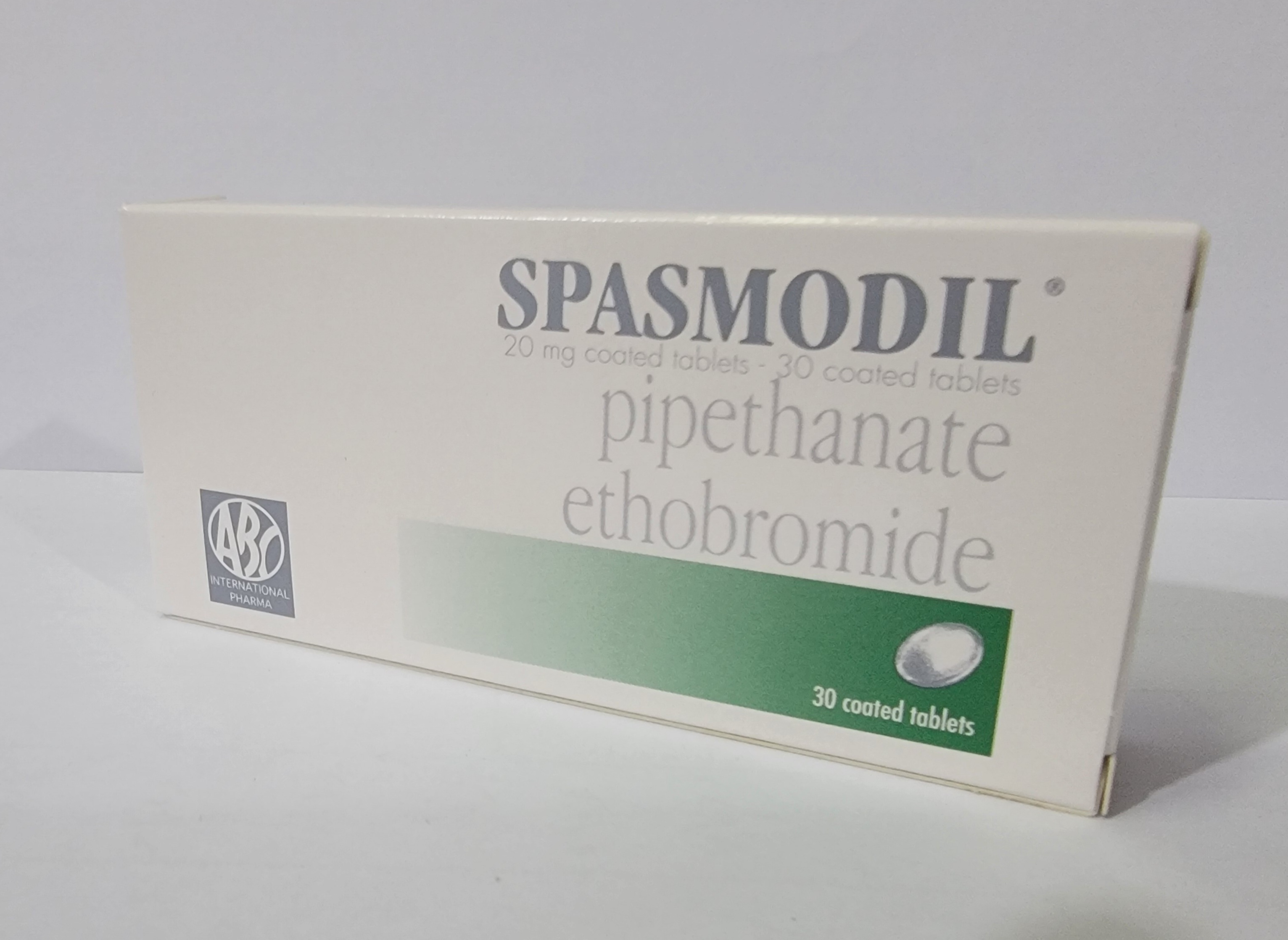
Spasmodil tablet
20mg
Tapentadol ER (Nucynta ER)
100mg
Trabar
50mg
Tramadol
50 mg/mL
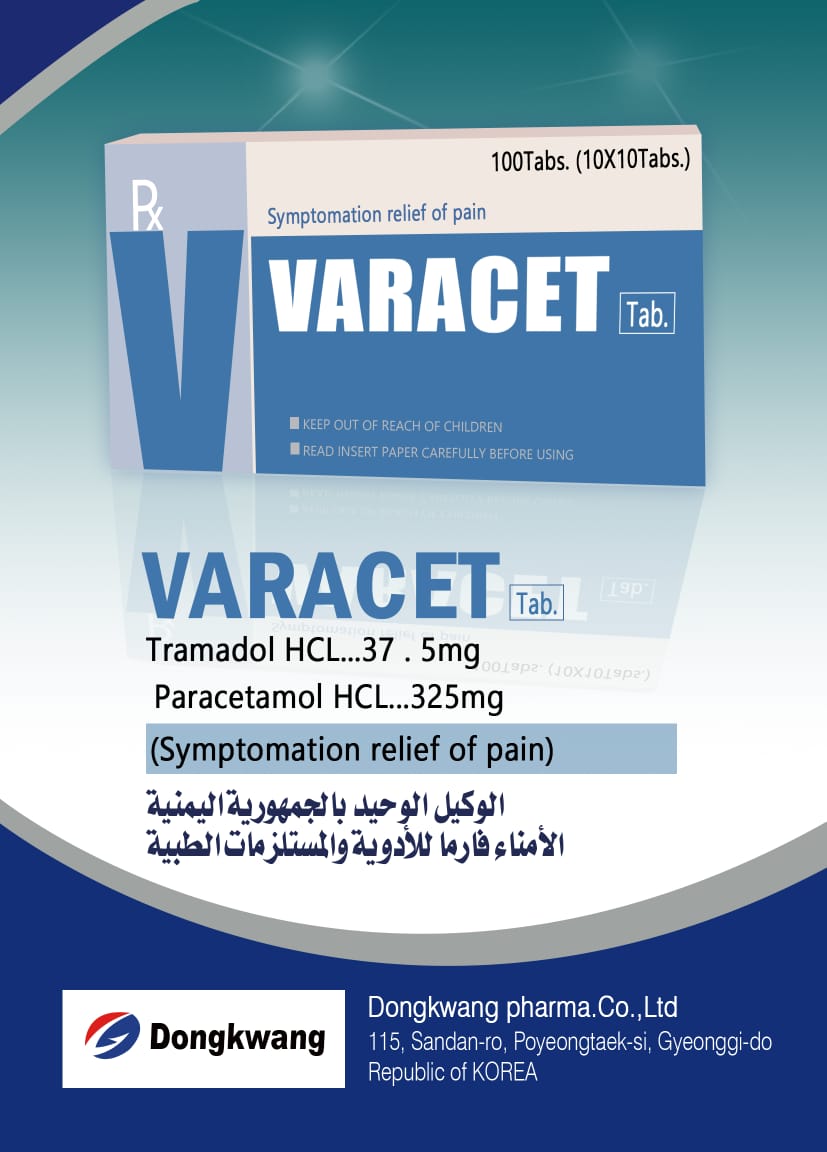
Varacet
325mg+37.5mg
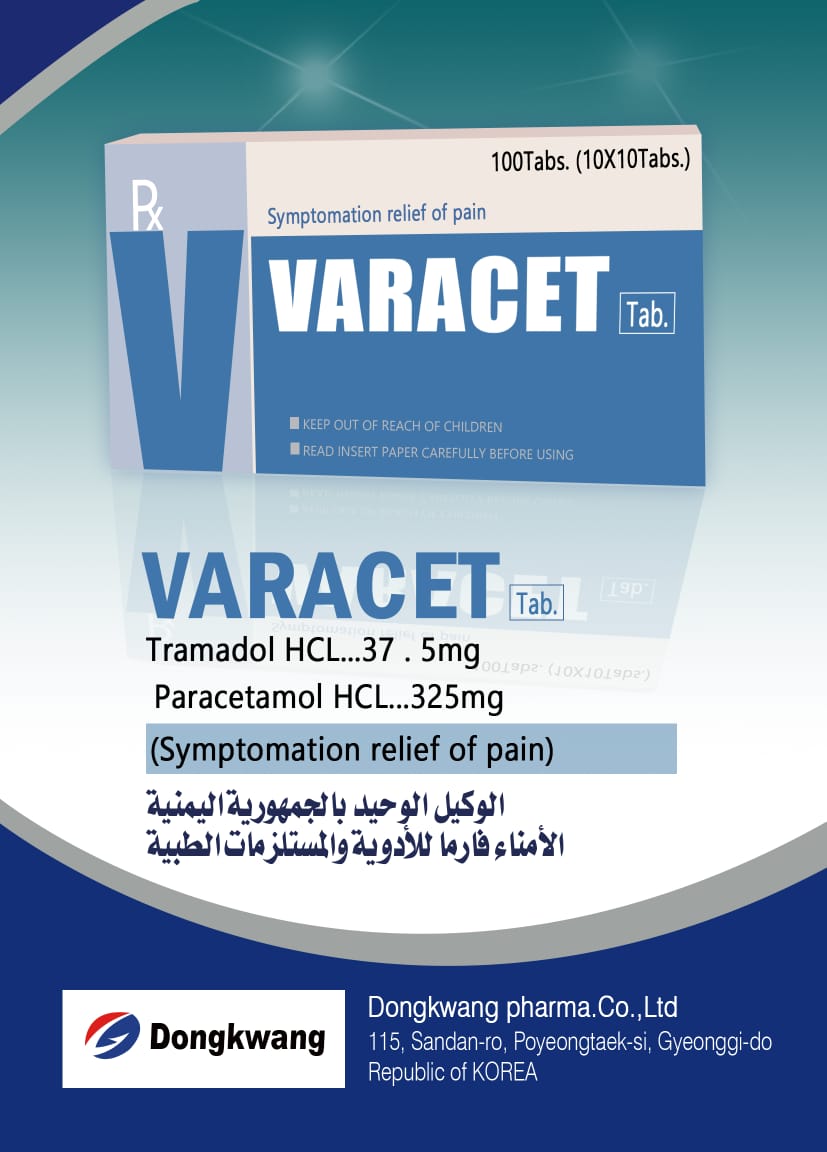
Varacet
37.5mg/ 352mg
Varacet
37.5mg/325mg
Zodixam fort
15mg
Albendazole
200mg
Amoxicillin
500 mg
Augmentin
312.5 mg/5 mL
Augmentin 875 mg/125 mg Tablet
875 mg/125 mg
Azenatt( ZIM India)
500 mg
Bactrim
160mg/800mg
Cefalexin
500mg
Cefazolin 500 mg
500 mg
Ceftracef
500mg - 1g
Ceftriaxone
1 g
Ceftriaxone for Injection
500 mg
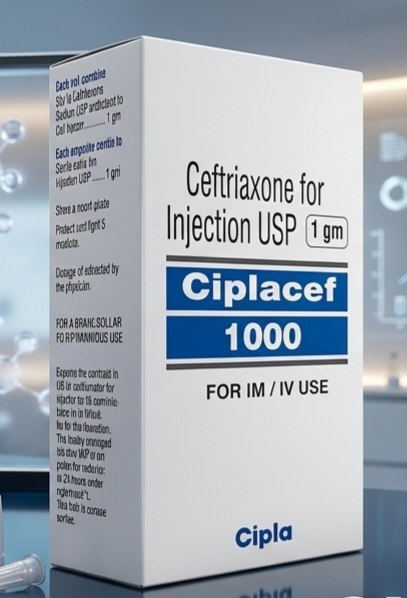
Ciplacef 1g vail
1g
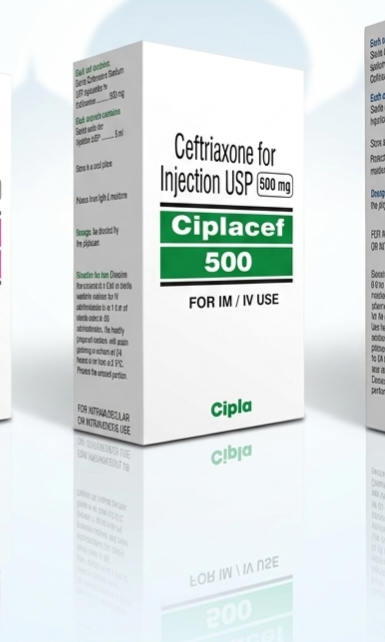
Ciplacef 500 vail
500mg
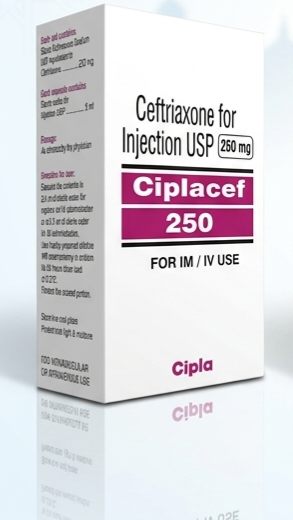
Ciplacef vail 250
250mg
Ciplox
500 mg
Ciprofloxacin
Not specified
Ciprofloxacin 500 mg Tablet
500 mg
DOXYCAPS
100MG
DOXYLIN
100MG
Declomycin
150 mg
Doxycycline
100 mg
FARMODOXI
100MG
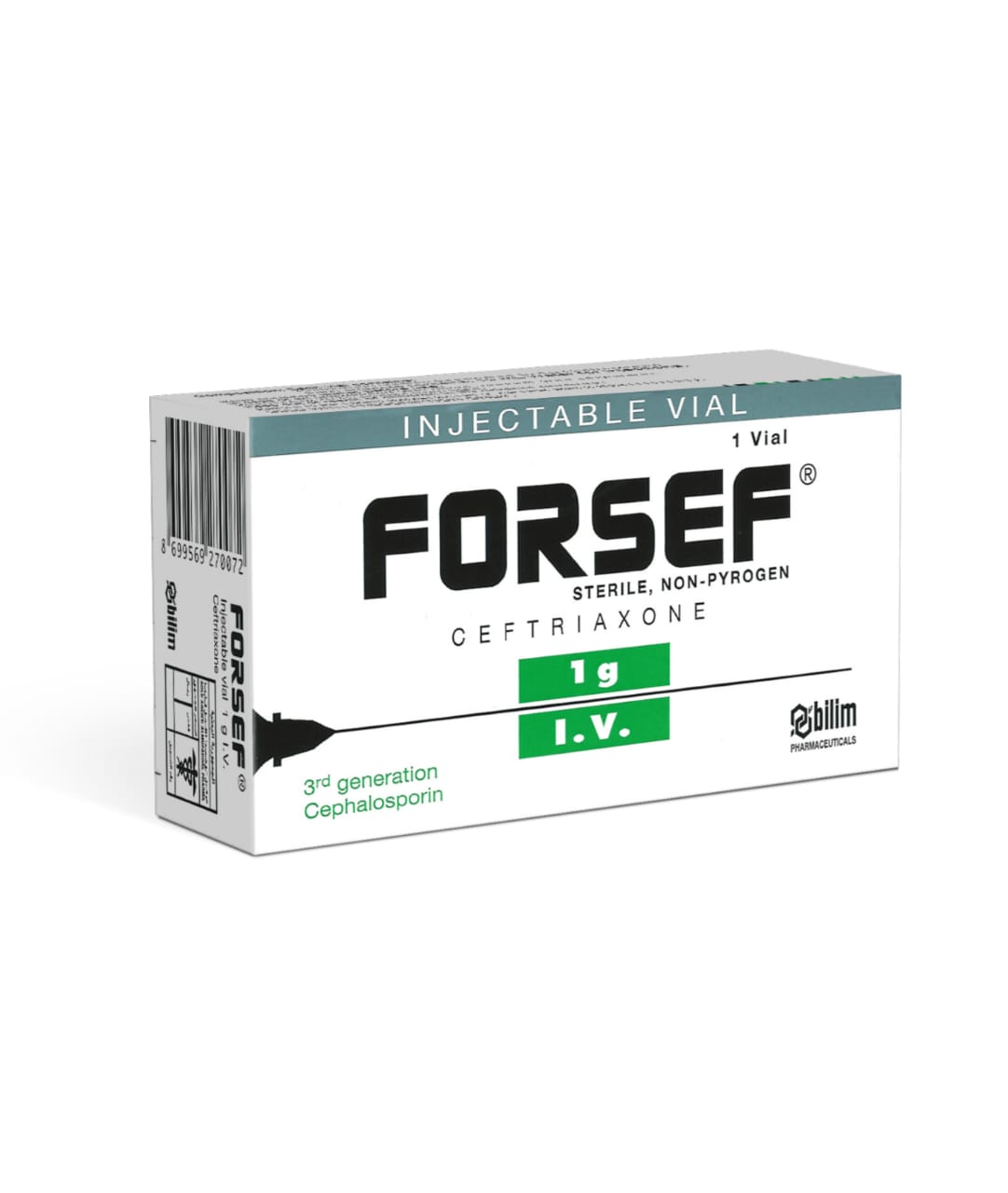
FORSEF 1g I.V
1g
Forsef (Ceftriaxone)
1g
Fusidic Acid Ointment
2%
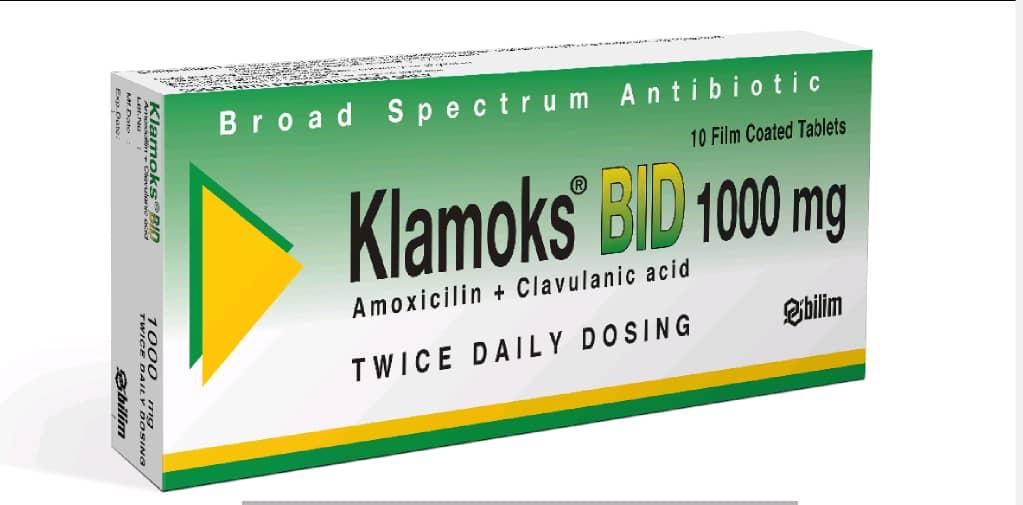
Klamoks 1g
1000ملجم
Lefoxin (Levofloxacin)
500mg
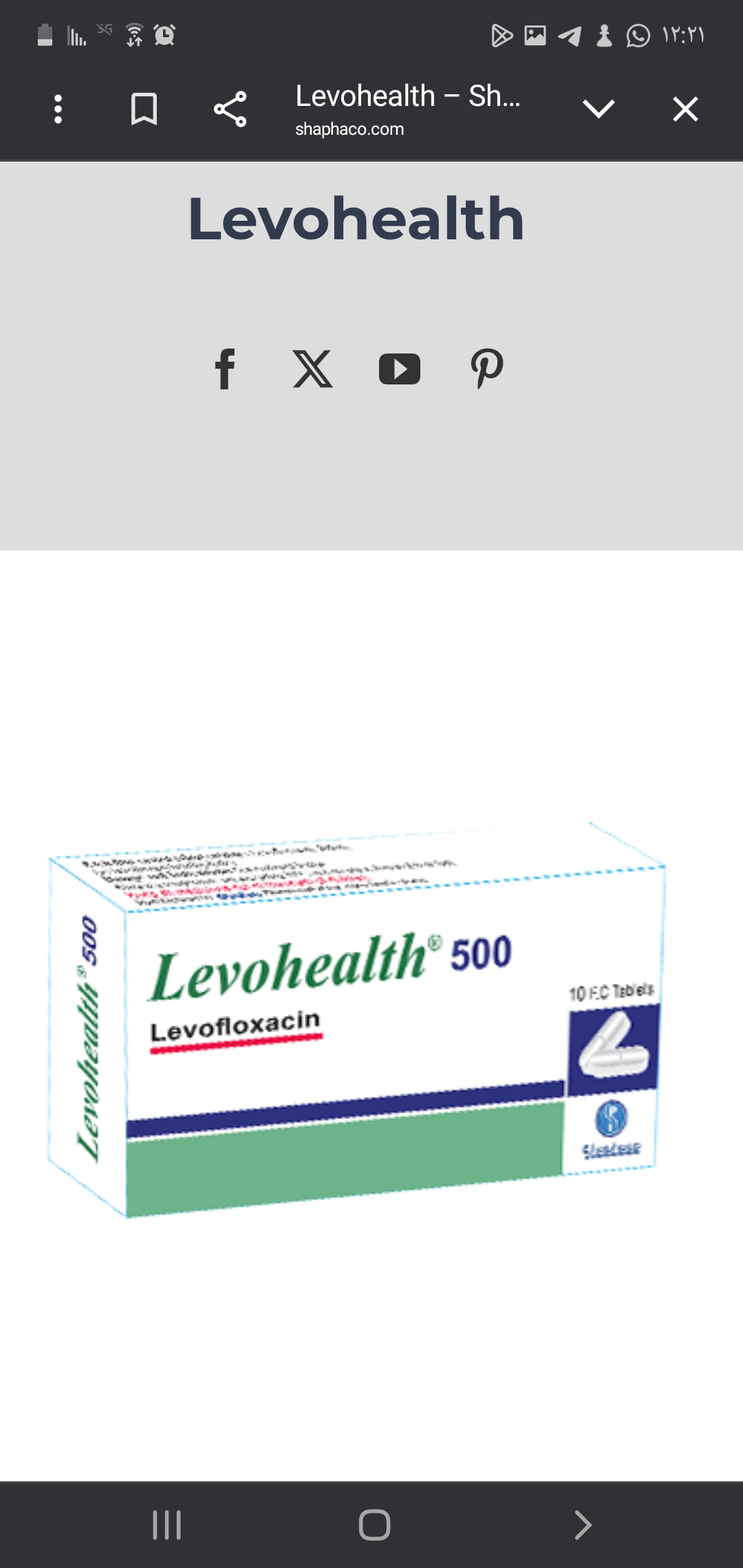
Levohealth
500 mg
Metronidazole
500 mg/100 mL
Nalidixic Acid
250 mg/5 mL
Nalidixic Acid (ID:316)
500mg
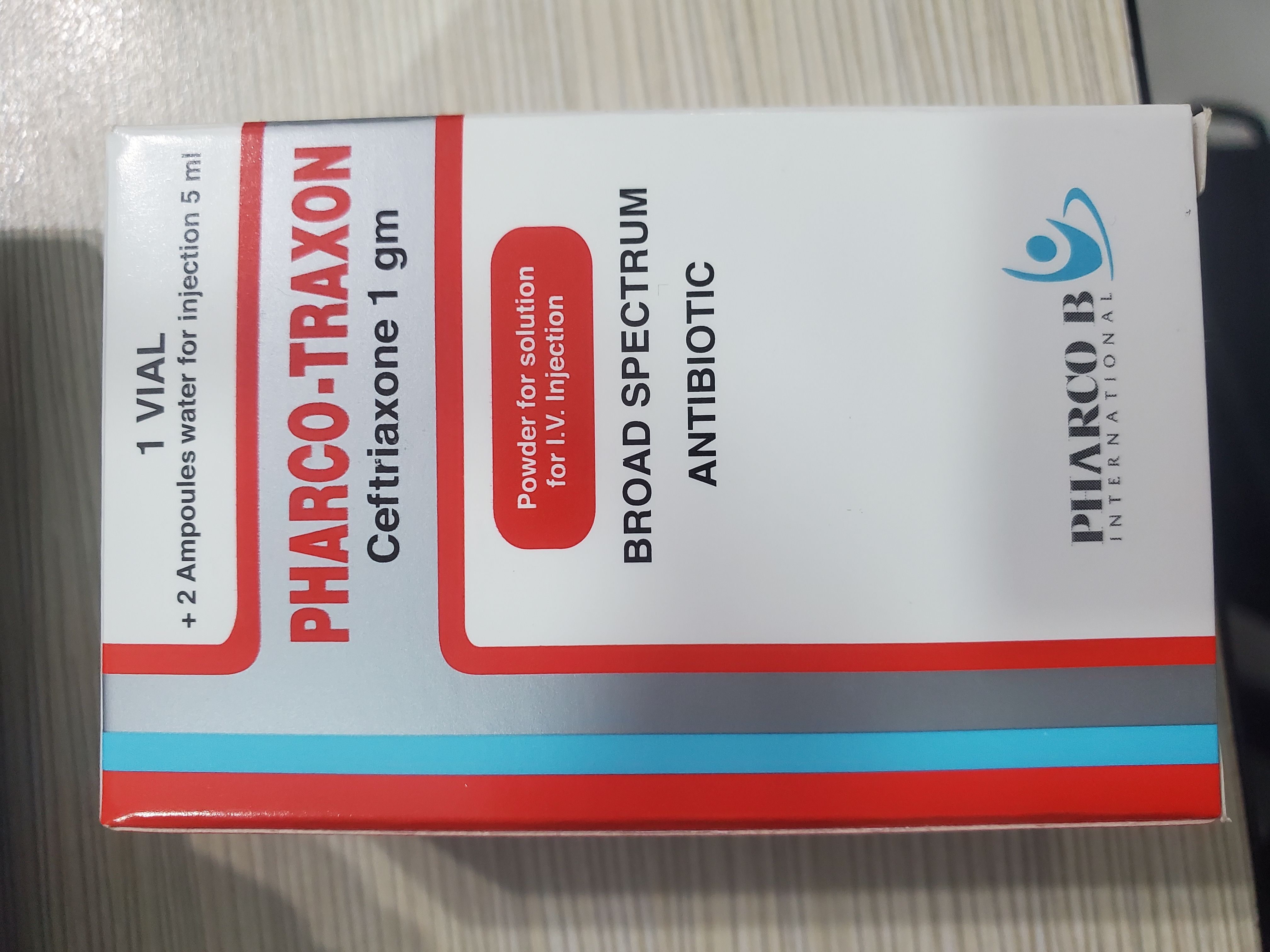
Pharcotraxon
1GM
Povidone Iodine Solution
100ml
Retarpin
1,200,000 IU
Rifampicin
600 mg
Septrin
400 mg
Shaphacef
1 g
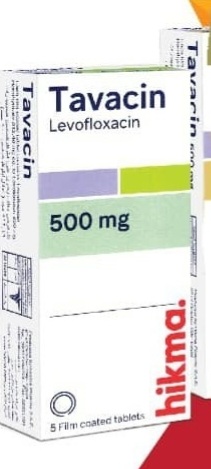
Tavacin (Levofloxacin)
500mg
Tavoniflox500 tab
500mg
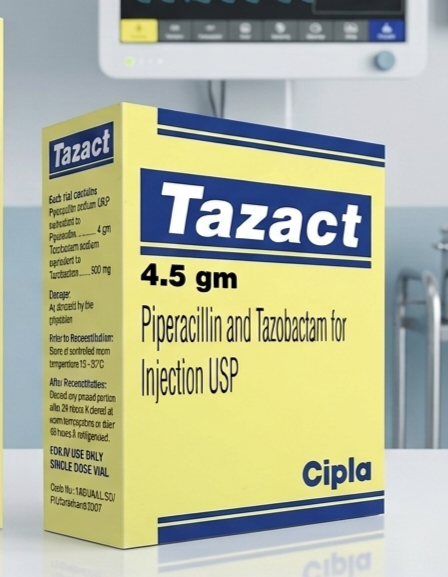
Tazact 4.5
4.5
Unitriaxon (Ceftriaxone)
1g
cefasyn 500
500
ceftisone
1 g
levobact 500
500mg
Amiodarone
200mg
Amiodarone IV
150mg/3ml
Amlodipine
5mg
Apixaban
5mg
Argatroban
250 mg / 2.5 mL
Arixtra
60 mg
Atenolol
50mg
Atorvastatin
10mg
Atropine
1mg/ml
Bisoprolol
10mg
Bumex
1 mg
Calcium Gluconate
10ml
Candesartan
16mg
Captopril
25mg
Cardene
25 mg / 10 mL
Carvedilol
12.5mg
Catapres
0.1 mg
Clopidogrel
75mg
Dabigatran
150mg
Dapagliflozin
5mg
Demadex
20 mg
Diamox
250 mg
Diltiazem ER
180mg
Dofetilide
500mcg
Dronedarone
400mg
Edoxaban
60mg
Empagliflozin
25mg
Enalapril
5mg
Enoxaparin
40mg/0.4ml
Epinephrine
1mg/10ml
Eplerenone
50mg
Flecainide
100mg
Heparin
5000 units/ml
Hydrochlorothiazide
25mg
Irbesartan
150mg
Isosorbide Dinitrate
10mg
Isosorbide Mononitrate ER
60mg
Kerendia
10 mg
Lasix
40 mg
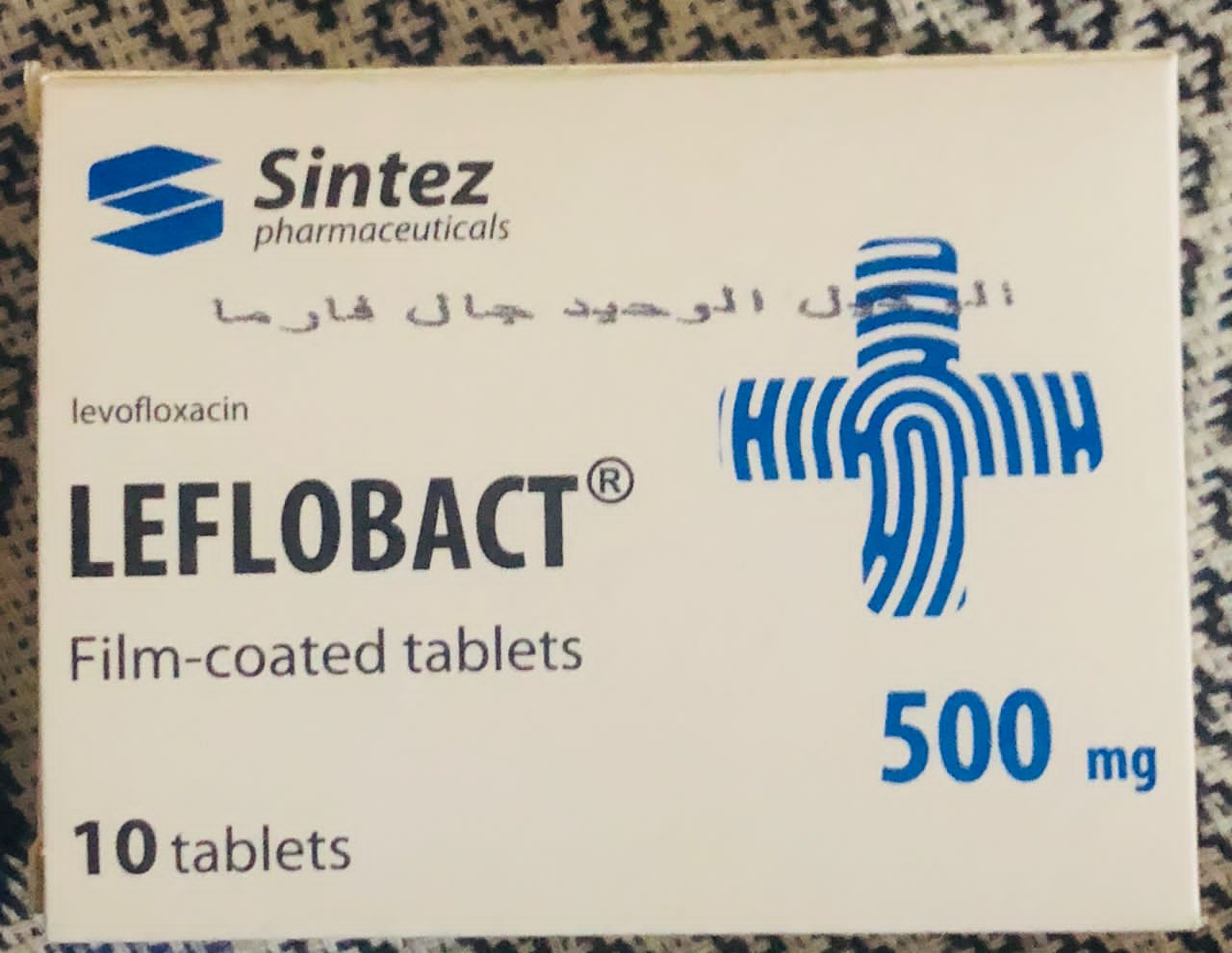
Leflobact
500mg
Lisinopril
10mg
Loniten
10 mg
Losartan
100mg
Metoprolol Succinate
50mg
Metoprolol Tartrate
25mg
Midamor
5 mg
Nifedipine ER
60mg
Nitroglycerin SL
0.4mg
Nitroglycerin Spray
0.4mg/spray
Perindopril
4mg
Prasugrel
10mg
Pravastatin
40mg
Propafenone
150mg
Ramipril
10mg
Rivaroxaban
20mg
Rosuvastatin
10mg
Sacubitril/Valsartan
49/51mg
Simvastatin
20mg
Sodium Bicarbonate
50mEq/50ml
Sotalol
120mg
Spironolactone
50mg
Ticagrelor
90mg
Torsemide
20mg
Trandate
5 mg / mL
Valsartan
80mg
Verapamil ER
240mg
Warfarin
5mg
Zaroxolyn
2.5 mg
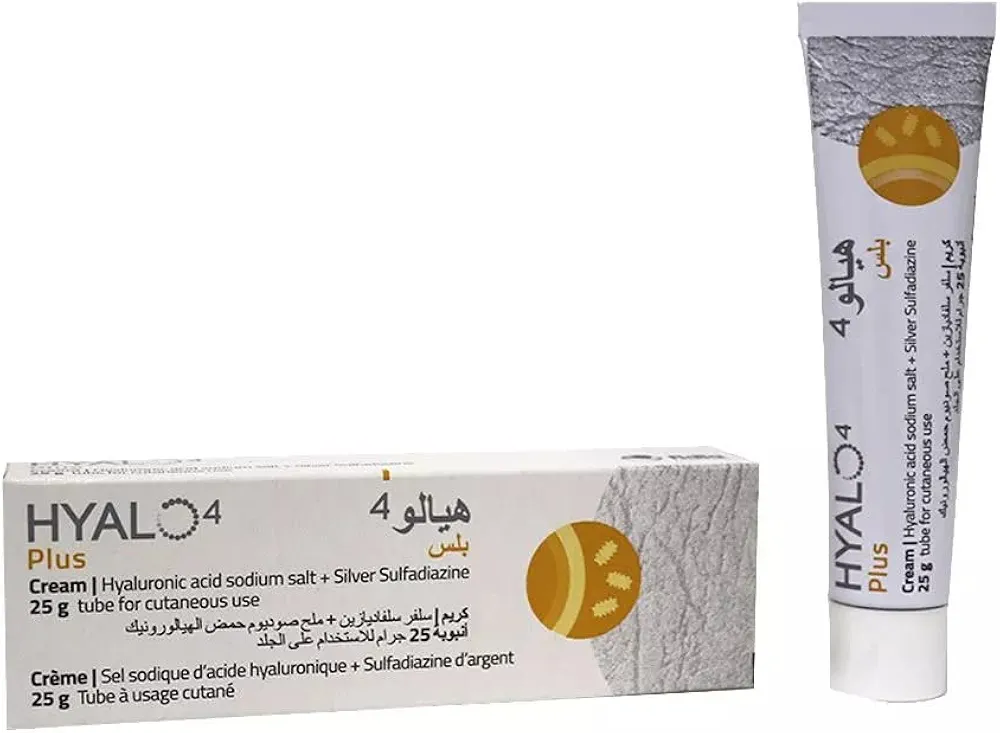
Hyalo4 plus cream
0.2% / 1%
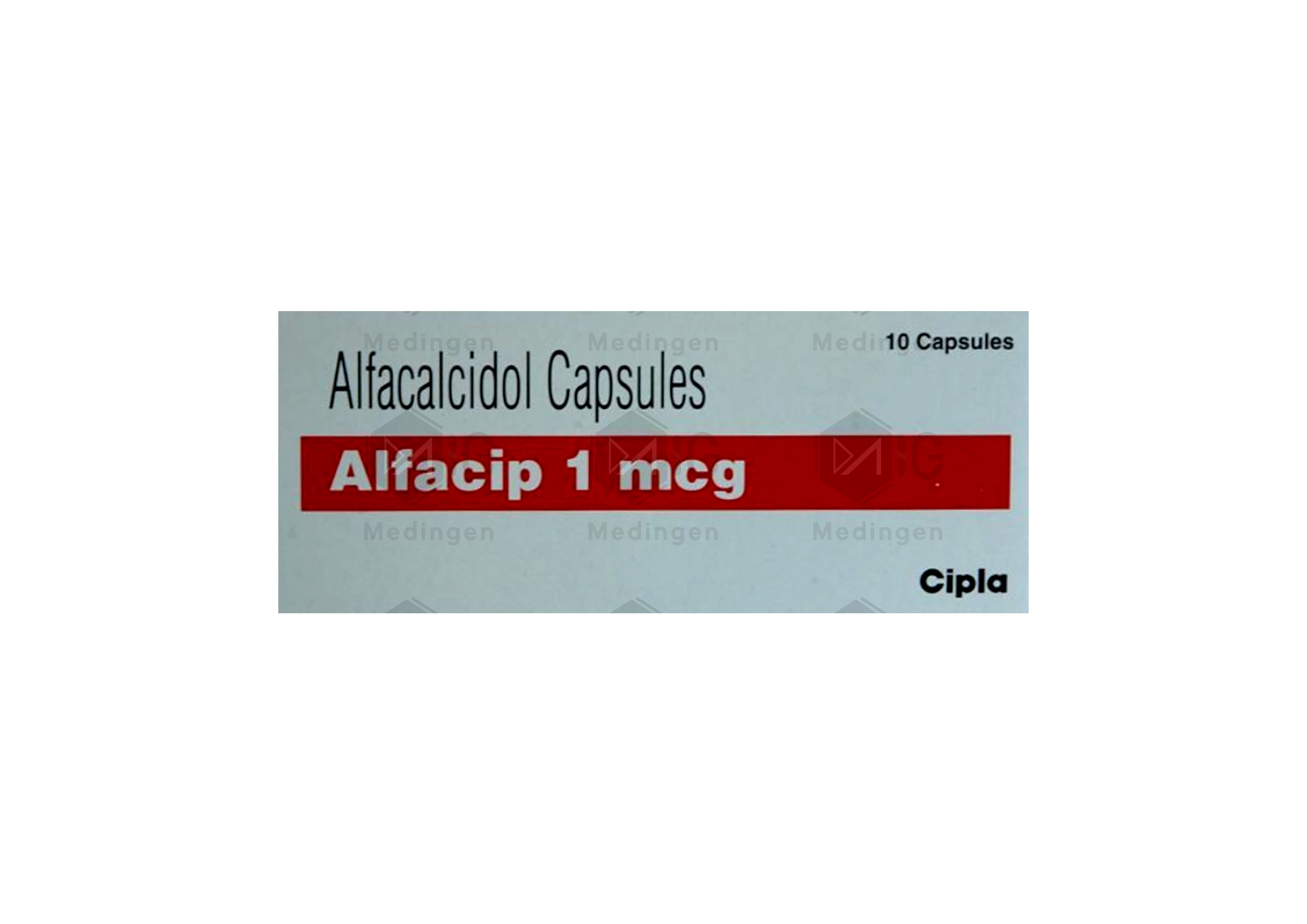
ALFACIP 1MCG
0.25 mcg
Acthar Gel
80 Units / mL
Alendronate
70 mg
Alendrotab
70 mg
Betamethasone Ointment
Not specified (Commonly 0.05% or 0.1%)
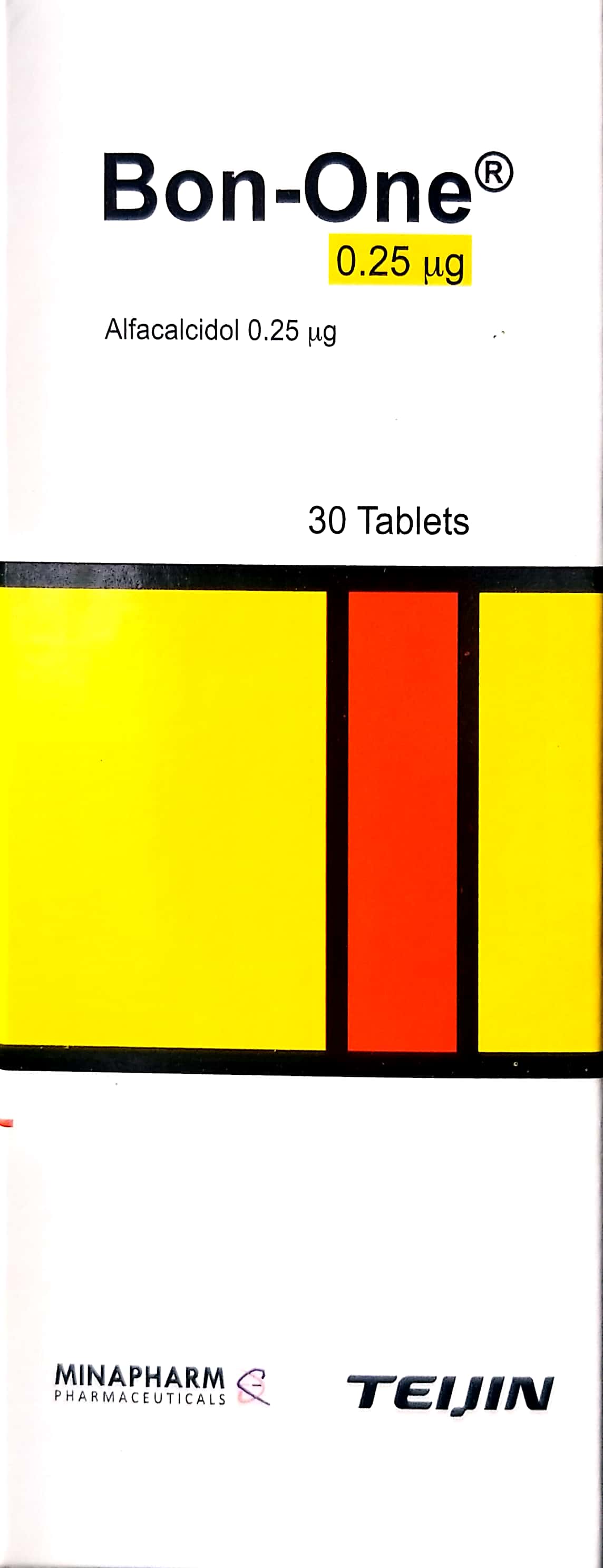
Bon-one
0.25mcg
Boniva
150 mg
Calcimed D3 Effervescent Tablets
600 mg Calcium / 400 IU Cholecalciferol
Calcitron (Calcium Carbonate + Vitamin D3)
Variable (e.g., Calcium Carbonate 500mg, Vitamin D
Calcium Carbonate
1250mg (equivalent to 500mg elemental calcium)
Calcium Carbonate + Cholecalciferol
Calcium Carbonate 1250 mg (equivalent to 500 mg el
Calcium Carbonate + Cholecalciferol (Vitamin D3) Tablet
500mg/400IU
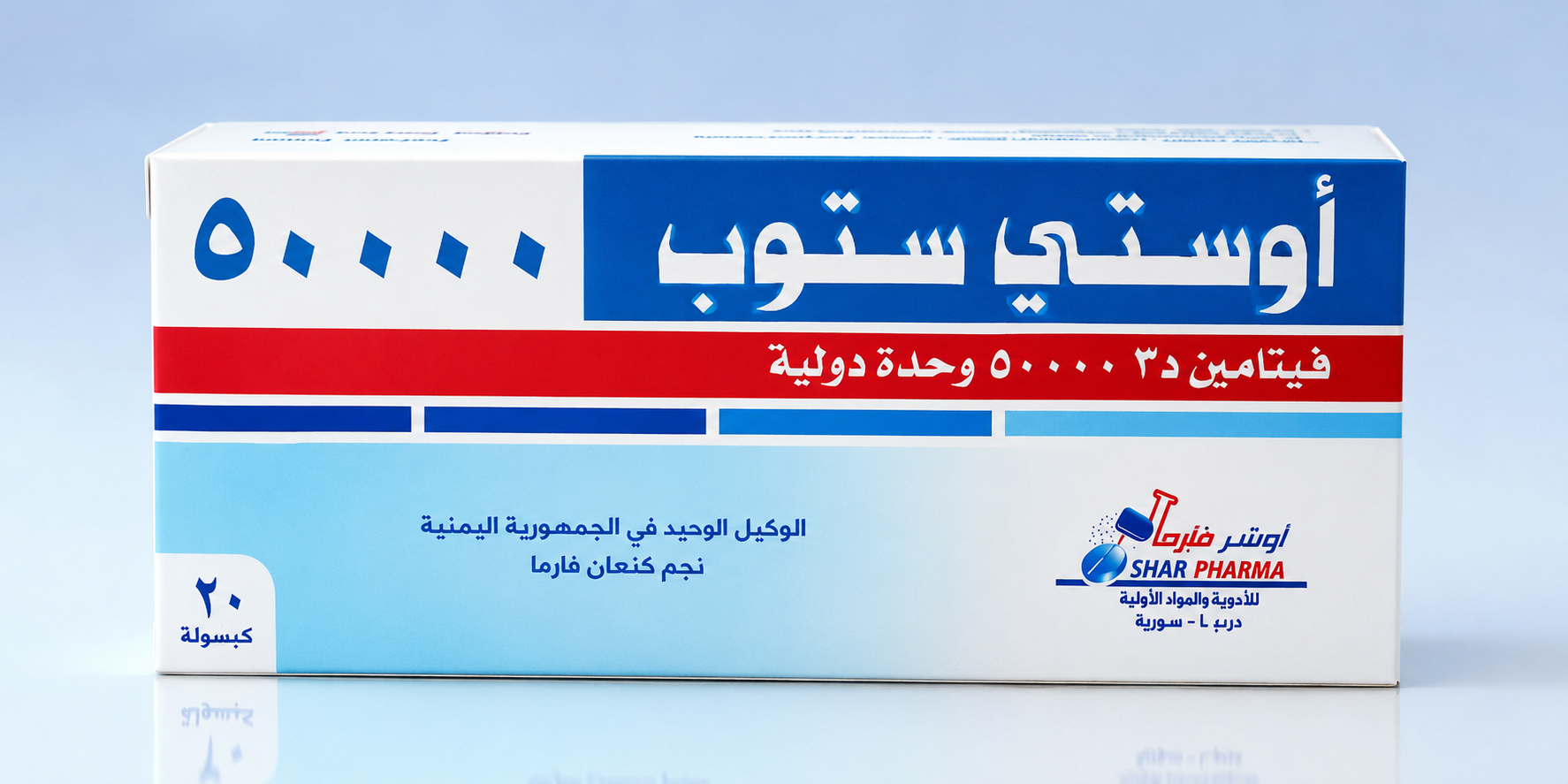
Cholecalciferol 50000 IU Capsule
50000 IU
Cholecalciferol 600,000 IU Ampoule
600,000 IU
Depo-Medrol
80 mg
Dexamethasone
4 mg/mL
Farxiga
10 mg
Florinef
0.1 mg
Hectorol
1 mcg
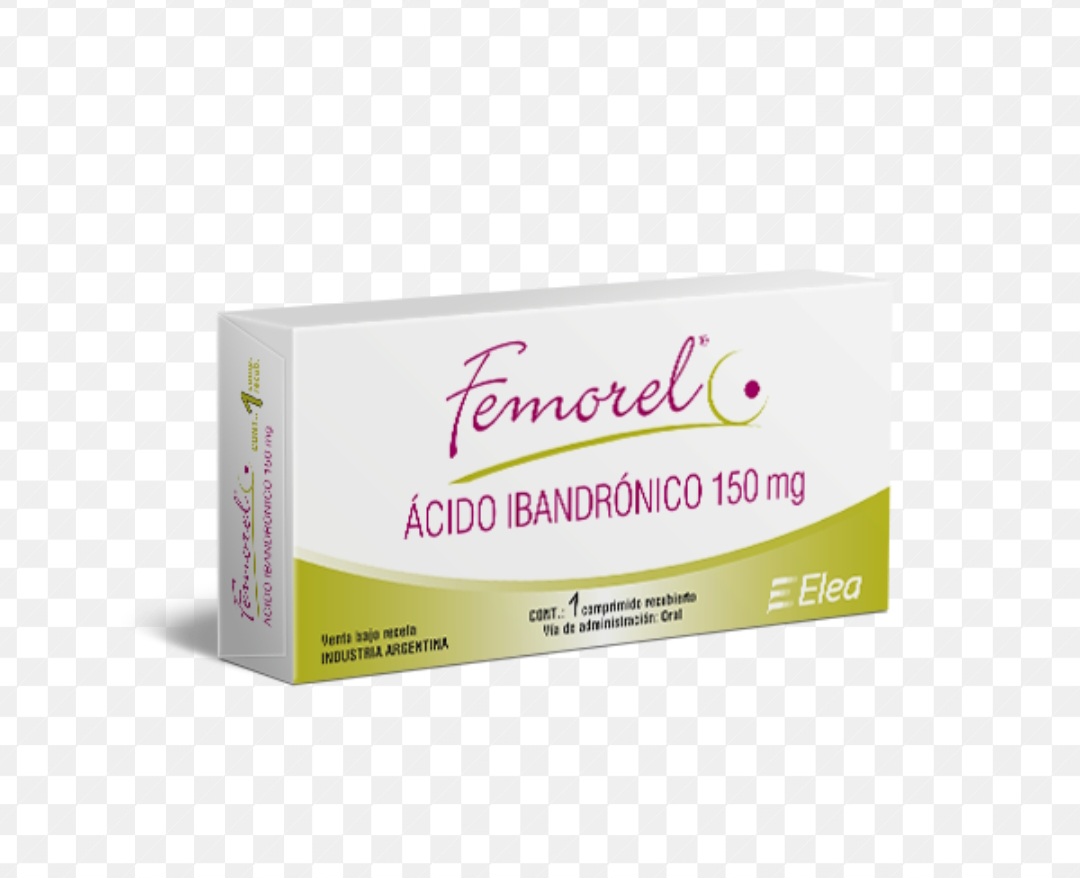
Ibandronic Acid
150 mg
Jardiance
10 mg
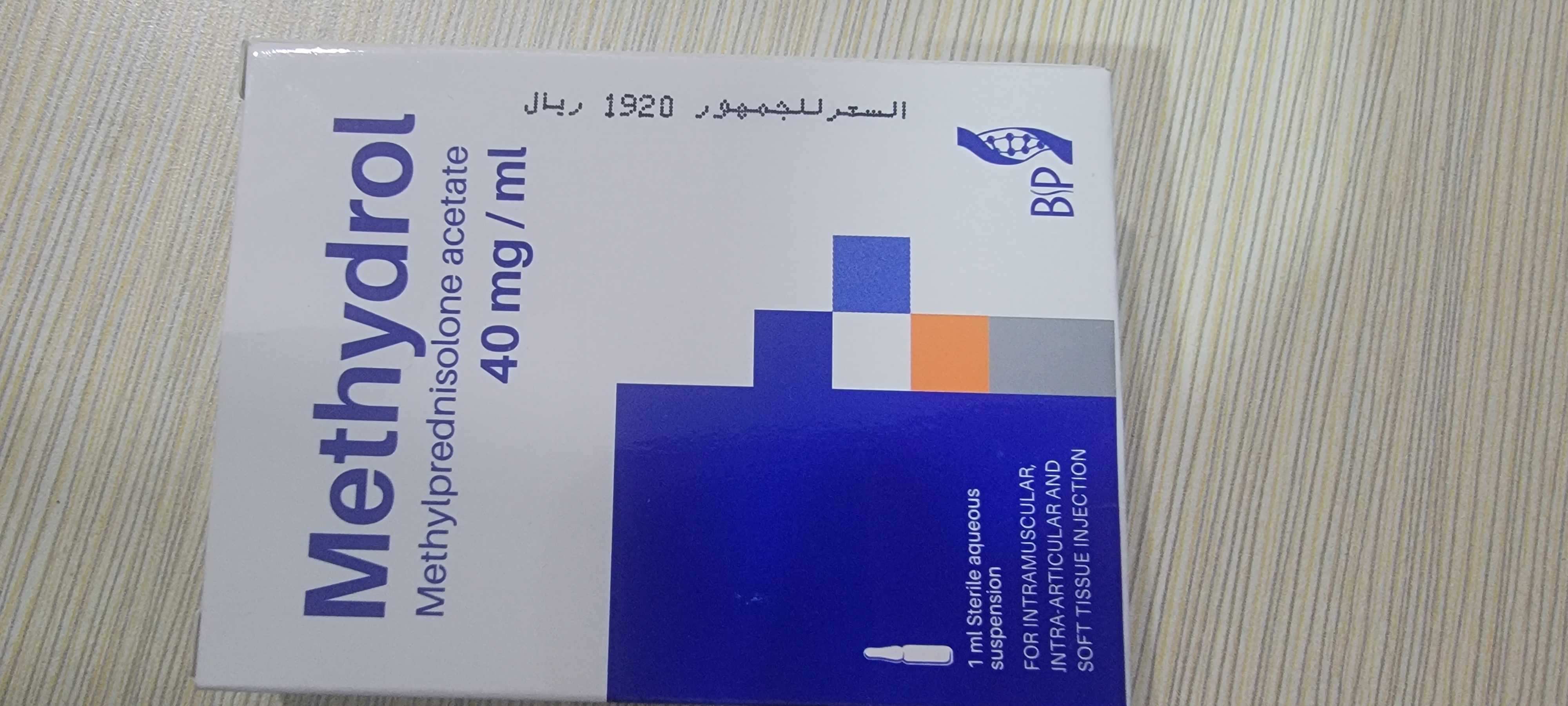
Methydrol amp
40mg
Methylprednisolone IV
40mg
Methylprednisolone acetate (Depo-Medrol)
40 mg
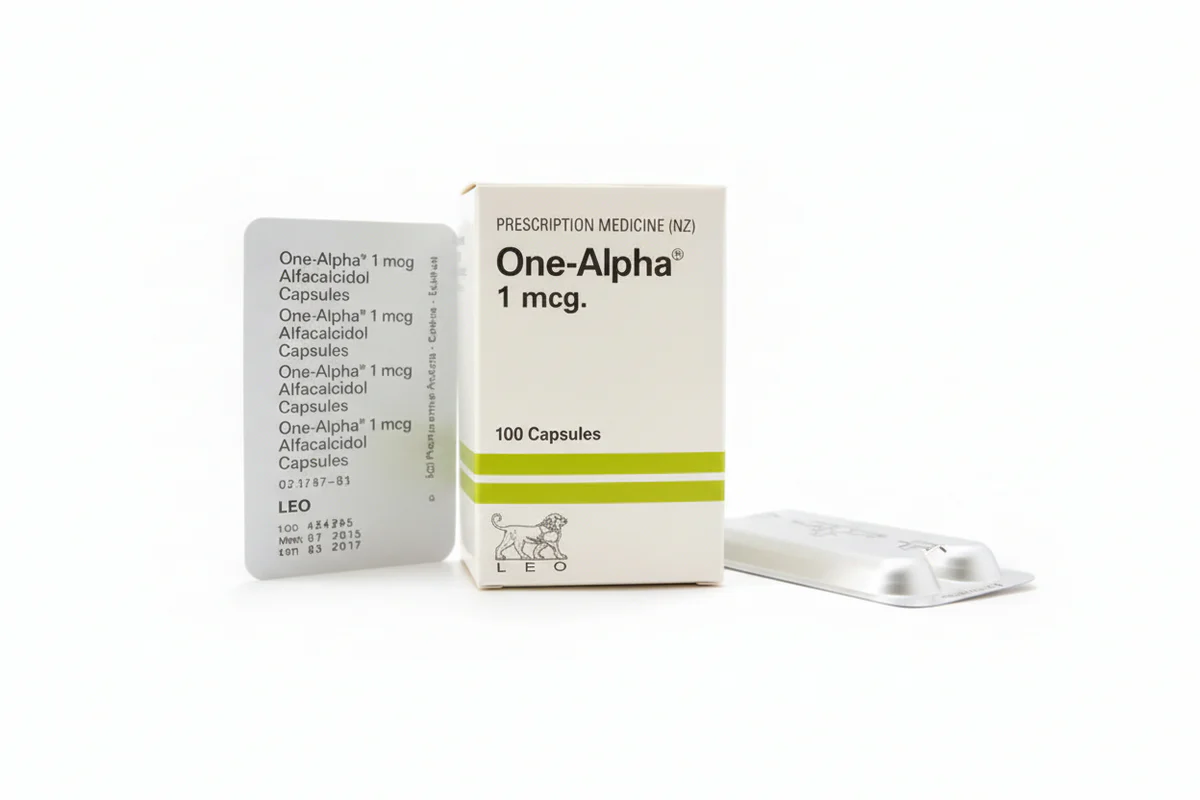
ONE-ALPHA® 1 MCG
1 mcg
Osteron
40mg
Parsabiv
5 mg / mL
Prednisone
5 mg
Prolia
60 mg/mL
Proluton Depot
250 mg/mL
Rayaldee
30 mcg
Rocaltrol
0.25 mcg
Sensipar
30 mg
Solu-Medrol
500 mg
Triamcinolone Acetonide Injection
40 mg/mL
Zemplar
1 mcg
6-Mercaptopurine (6-MP)
50mg
Adalimumab
40mg
Aluminum Hydroxide/Magnesium Hydroxide
400mg/400mg
Aprepitant
125mg/80mg
Azathioprine
50mg
Balsalazide
750mg
Bisacodyl
5mg
Bismuth Subsalicylate
525mg/15mL
Botulinum Toxin
100U
Budesonide (MMX)
9mg
Budesonide (Rectal foam)
2mg/25mL
Certolizumab Pegol
200mg
Cholestyramine
4g
Cimetidine
400mg
Cisapride
10mg
Clarithromycin
500mg
Colace
100mg
Colesevelam
625mg
Colestipol
1g
Crofelemer
125mg
Cyclosporine
100mg
Dexlansoprazole
60mg
Diphenoxylate/Atropine
2.5mg/0.025mg
Domperidone
10mg
Eluxadoline
100mg
Erythromycin
250mg
Esomac 40
40mg
Esomeprazole
40mg
Fidaxomicin
200mg
Fosaprepitant
150mg
Furosemide
40mg
Golimumab
100mg
Granisetron
1mg
Hydrocortisone
100mg/60mL
Infliximab
100mg
Kayexalate
15 g / 60 mL
Lactulose
10g/15mL
Lanreotide
90mg
Lansoprazole
30mg
Levofloxacin
500mg
Linaclotide
145mcg
Lokelma
10 g
Loperamide
2mg
Lubiprostone
24mcg
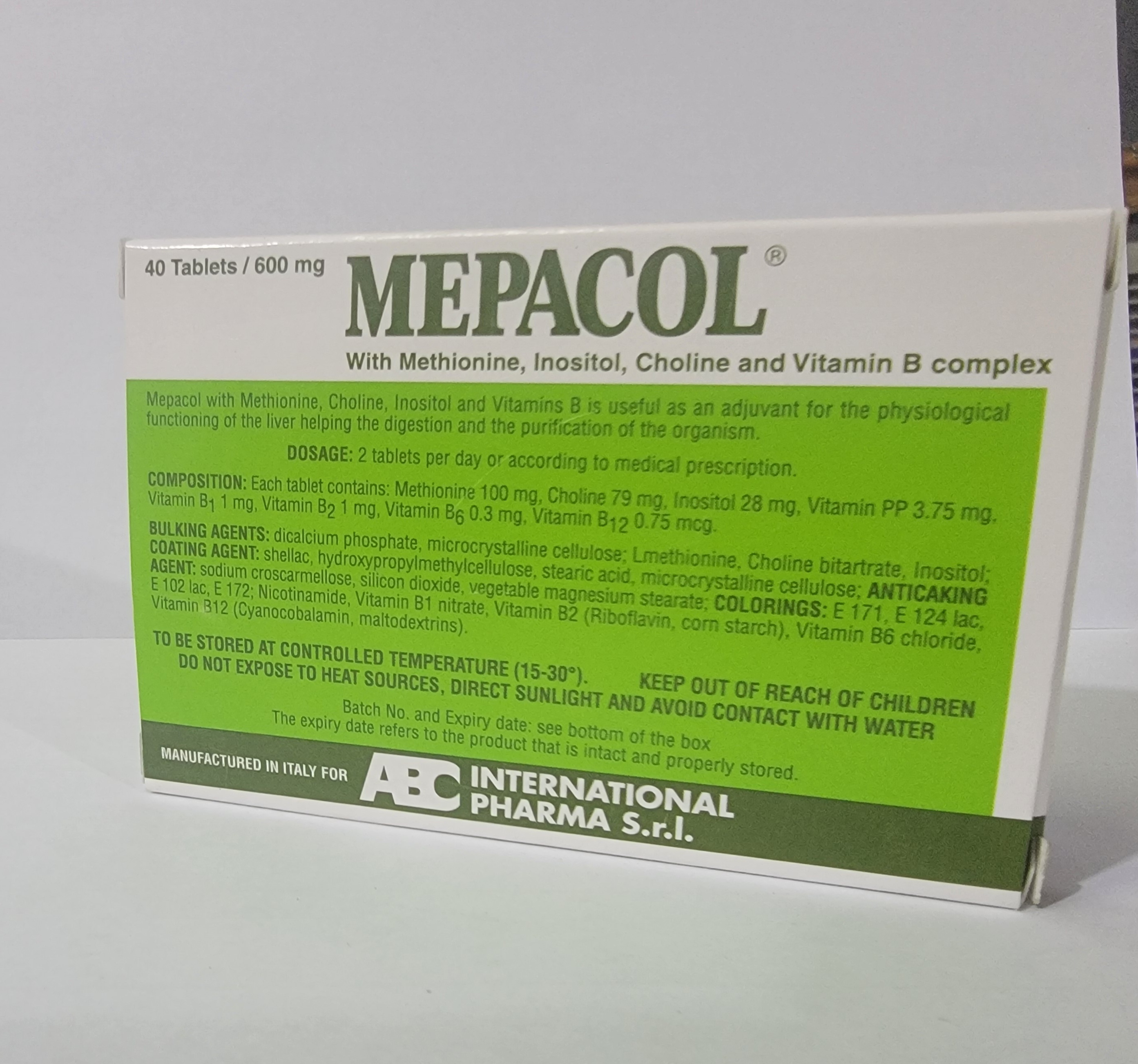
Mepacol tablet
100mg/28mg/79mg
Mesalamine
4g/60mL
Methotrexate
2.5mg
Methylprednisolone
40mg
Metoclopramide
10mg
Misoprostol
200mcg
Nadolol
40mg
Natalizumab
300mg
Nifedipine
10mg
Octreotide
100mcg/mL
Octreotide LAR
20mg
Olsalazine
250mg
Ondansetron
8mg
Ozanimod
0.92mg
Palonosetron
0.25mg
Pancrelipase
10,000 USP
Plecanatide
3mg
Polyethylene Glycol 3350 (PEG)
17g
Propranolol
20mg
Rabeprazole
20mg
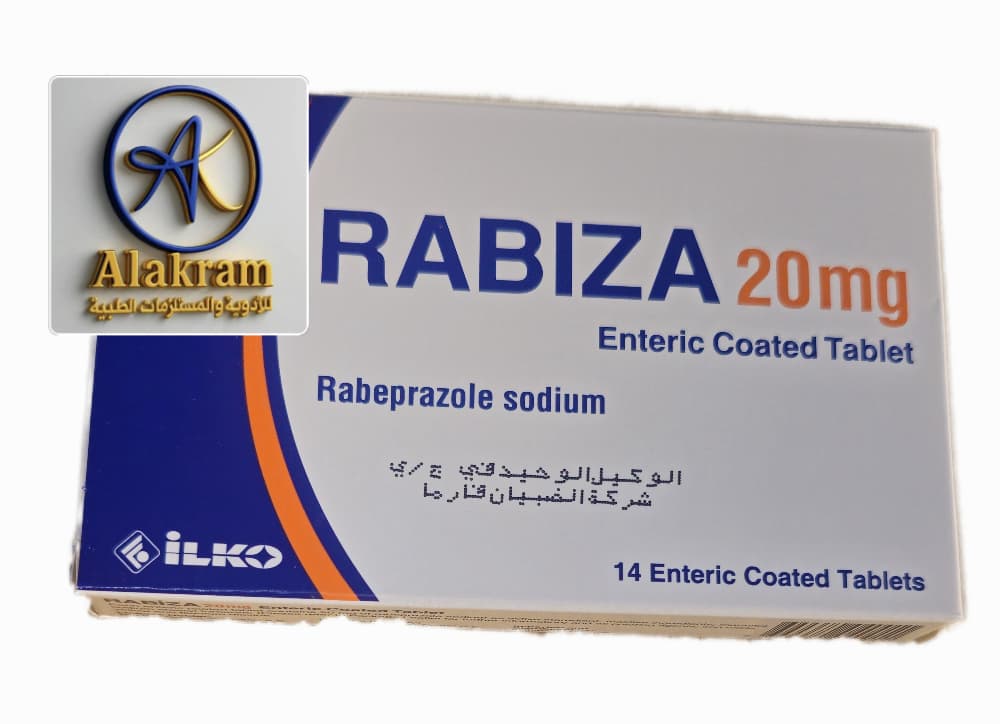
Rabiza 20mg tablet
20mg
Ranitidine
150mg
Reprat (Delorbis Cyprus)
40 mg
Rifaximin
200mg
Senna
8.6mg
Sucralfate
1g
Sulfasalazine
500mg
Tacrolimus
1mg
Tadalafil
20mg
Telotristat Ethyl
250mg
Terlipressin
1mg
Tetracycline
500mg
Tofacitinib
10mg
Topoprazan
40mg
UDCA
500mg
Upadacitinib
45mg
Ursodeoxycholic Acid (UDCA)
250mg
Ustekinumab
90mg
Vedolizumab
300mg
Veltassa
8.4 g
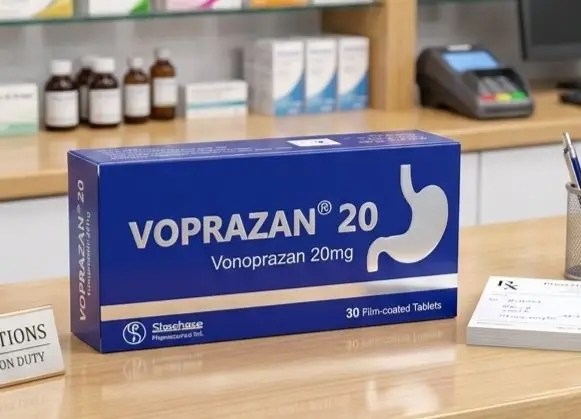
Voprazan
20 mg
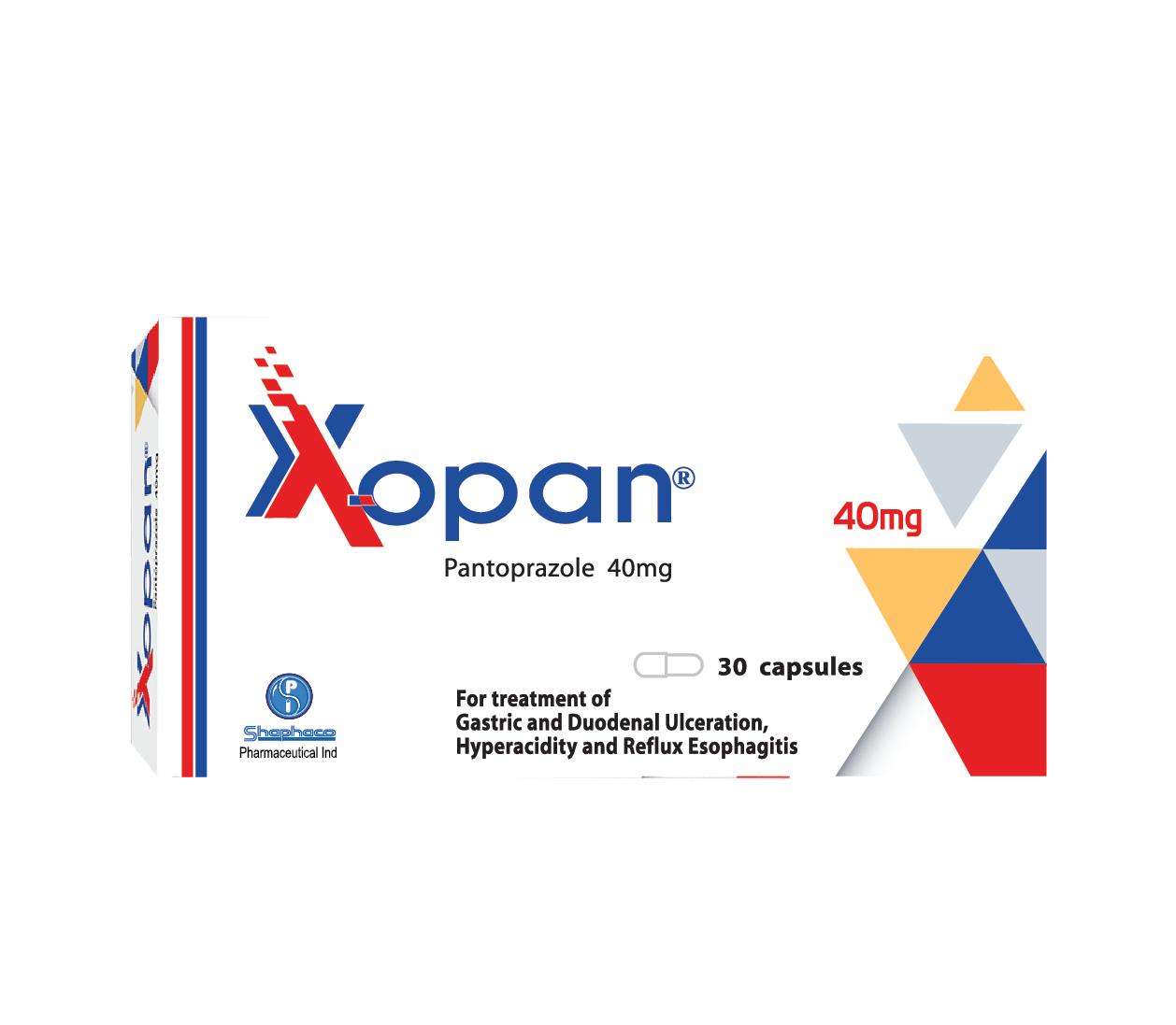
Xopan 40mg cap
40 mg
Baclofen Pump Refill
Varies
Chlorzoxazone and Paracetamol Tablet
Chlorzoxazone 250mg / Paracetamol 325mg
Cyclobenzaprine
10mg
Duloxetine
30 mg
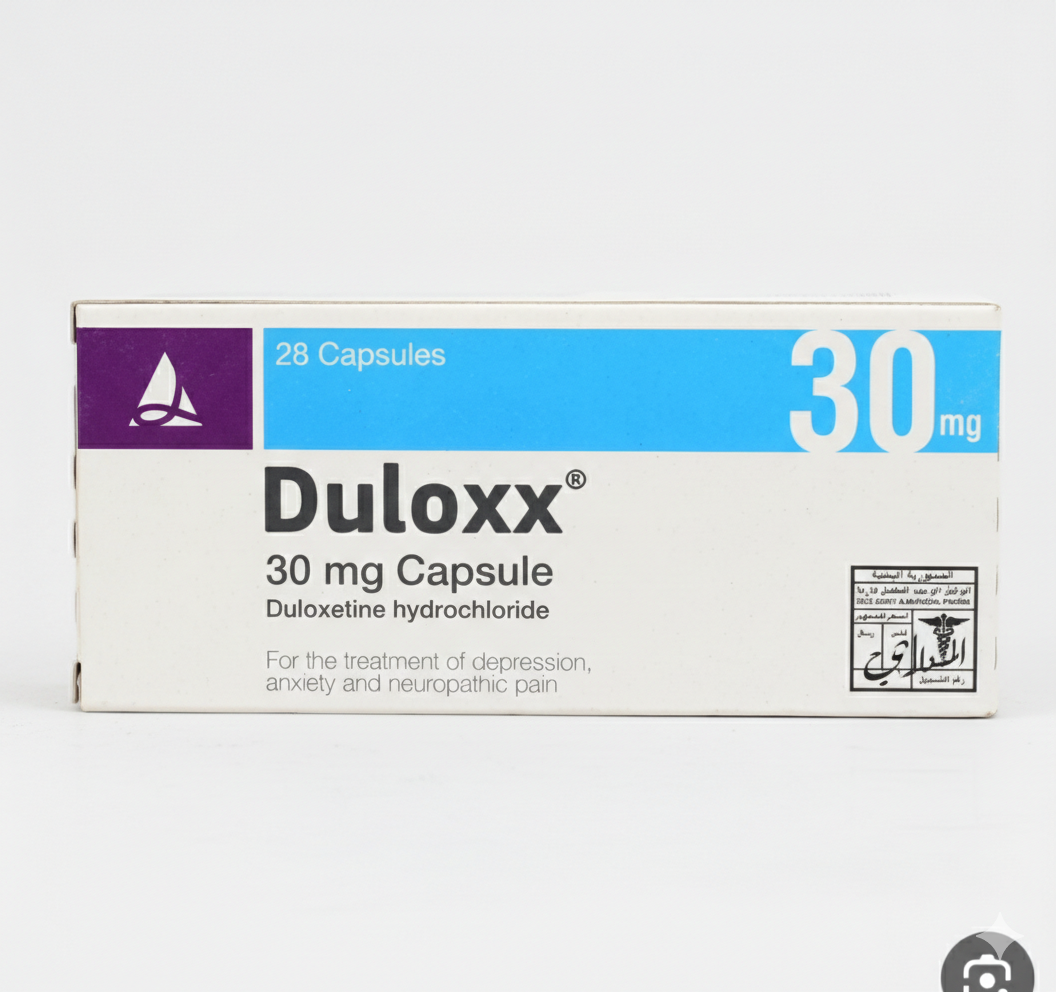
Duloxx
30
Dyrd-M Tablet
Not specified
Flexilax (Chlorzoxazone)
Variable (e.g., 250mg, 500mg)
Gabapentin
300 mg
Gabapentin Enacarbil (Horizant)
300mg
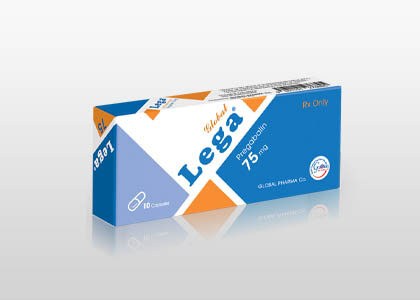
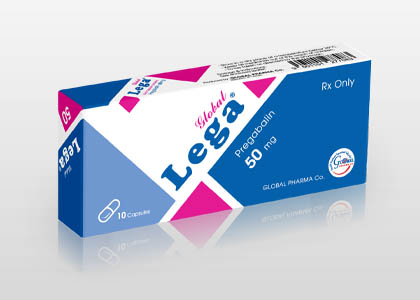
Lega
50 mg
Lega
75mg
Lyrolin (Pregabalin)
75mg
Mecovit DT
Methylcobalamin 1500mcg, Alpha Lipoic Acid 100mg,
Methocarbamol
500mg
Methylcobal (Vit B12) (ID:242)
500mcg
Muskopar
8mg
Myonal (Eperisone)
50mg
Neuromac75
75
Orphenadrine
100mg
Thiocolchicoside Cream
0.25%
Thiotacid Compound
Alpha-Lipoic Acid 600mg, Thiamine Mononitrate 100m
Thiotex Fort
8mg
duloxx 30
30mg
Ambezim-G
Not specified
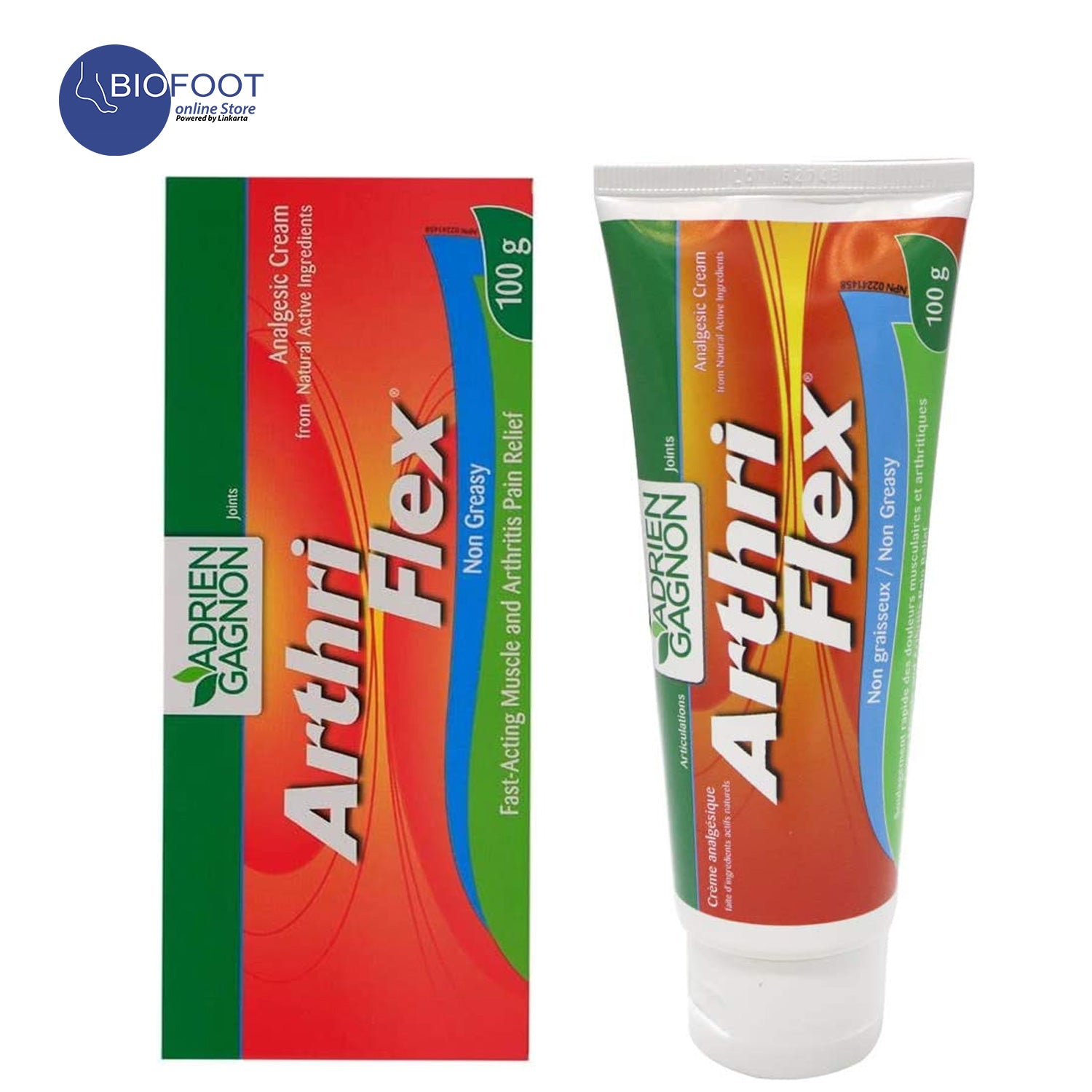
Arthriflex
Menthol 10%
Aspirin
100 mg
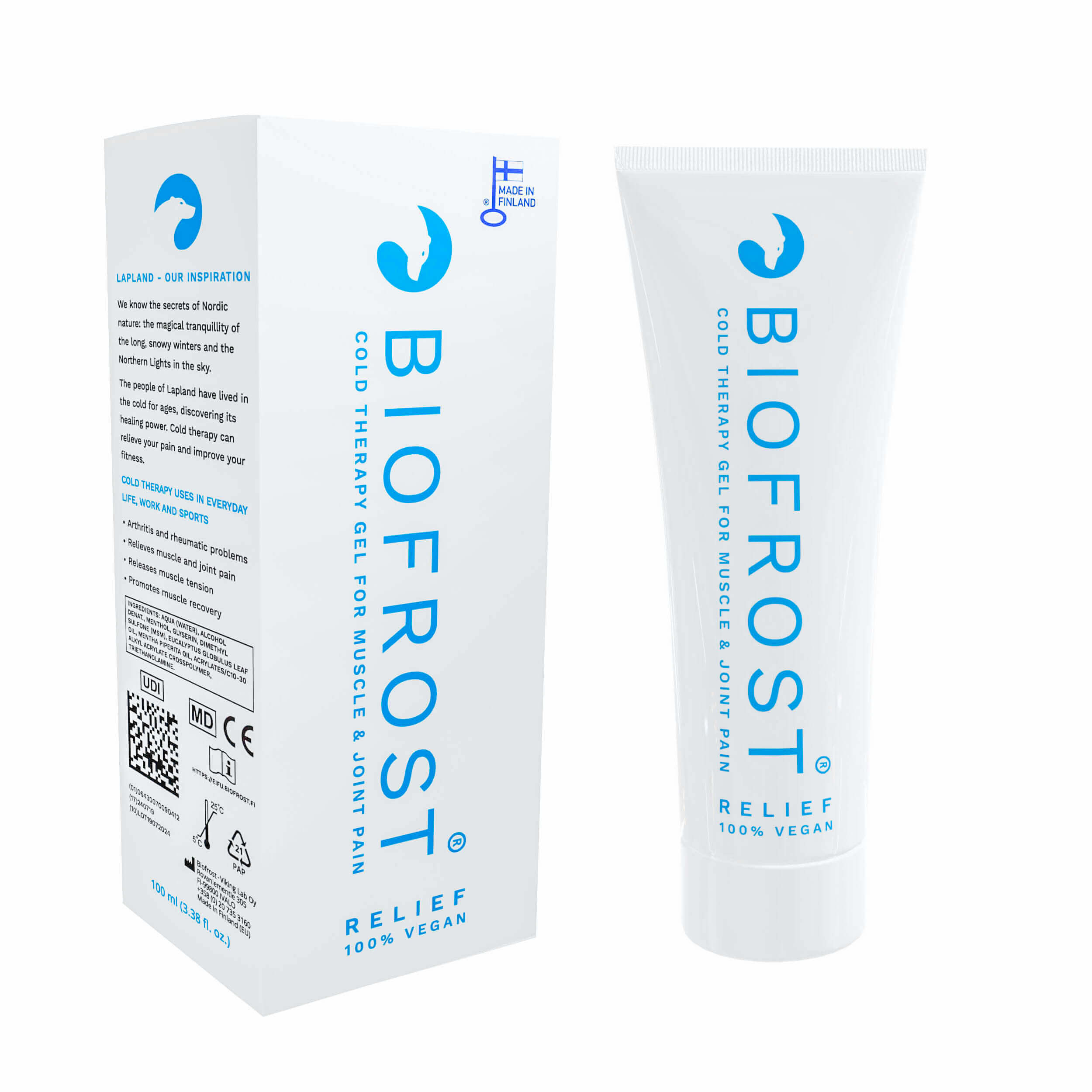
Biofrost relief cold gel tube 100ml
Mentha Piperita Oil, Menthol ,MSM , Eucalypts Oil
Celecoxib (Assumed)
Unknown
Depo pred
40mg &80mg
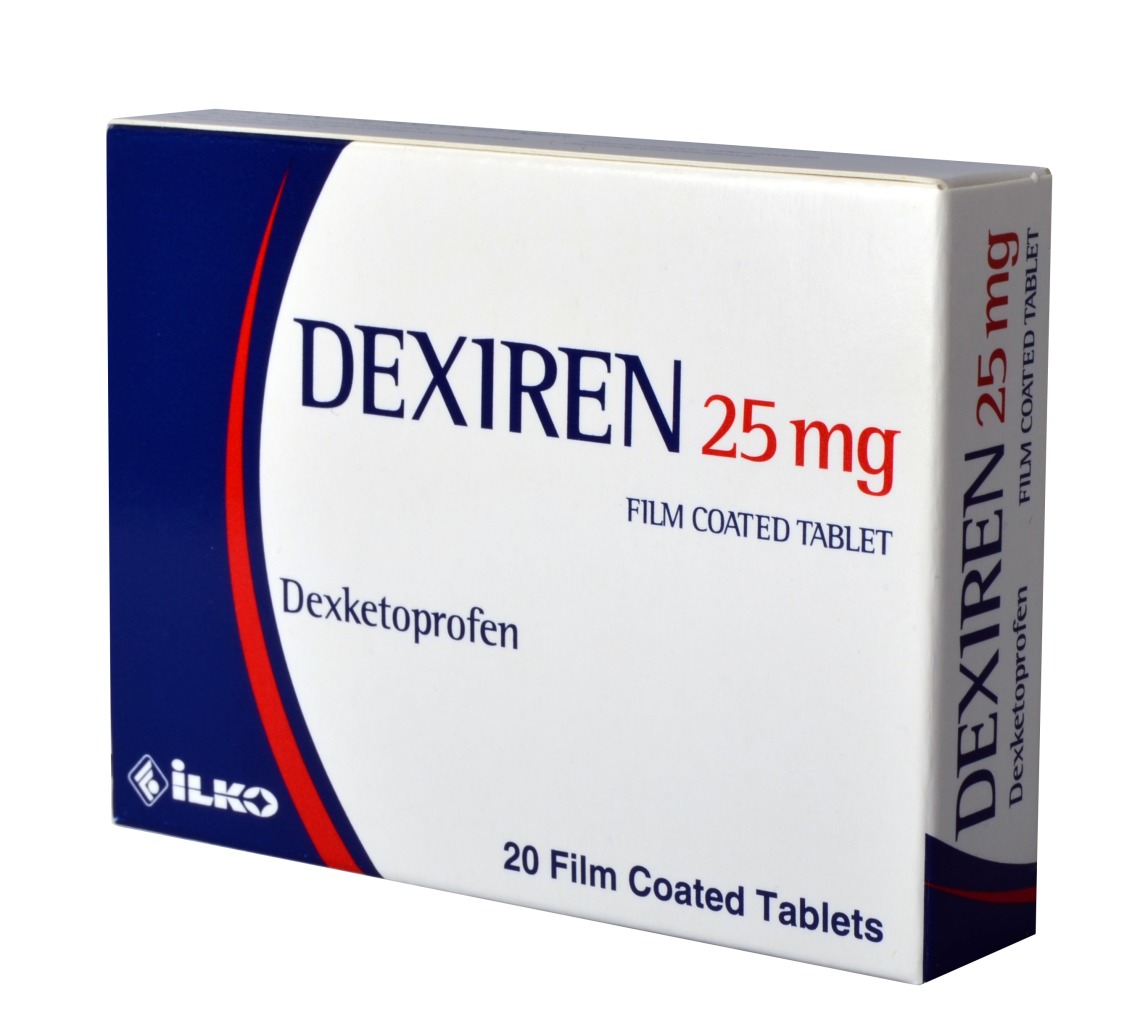
Dexiren 25mg tablet
25mg
Dexketoprofen
25 mg
Dexketoprofen 25 mg Oral Jelly
25 mg
Diclofenac Potassium Sachet
50mg
Diclofenac Sodium
75 mg
Diclofenac Topical Cream
1%
Diclofenac Topical Gel
1%
Diclofenac Topical Ointment
1%
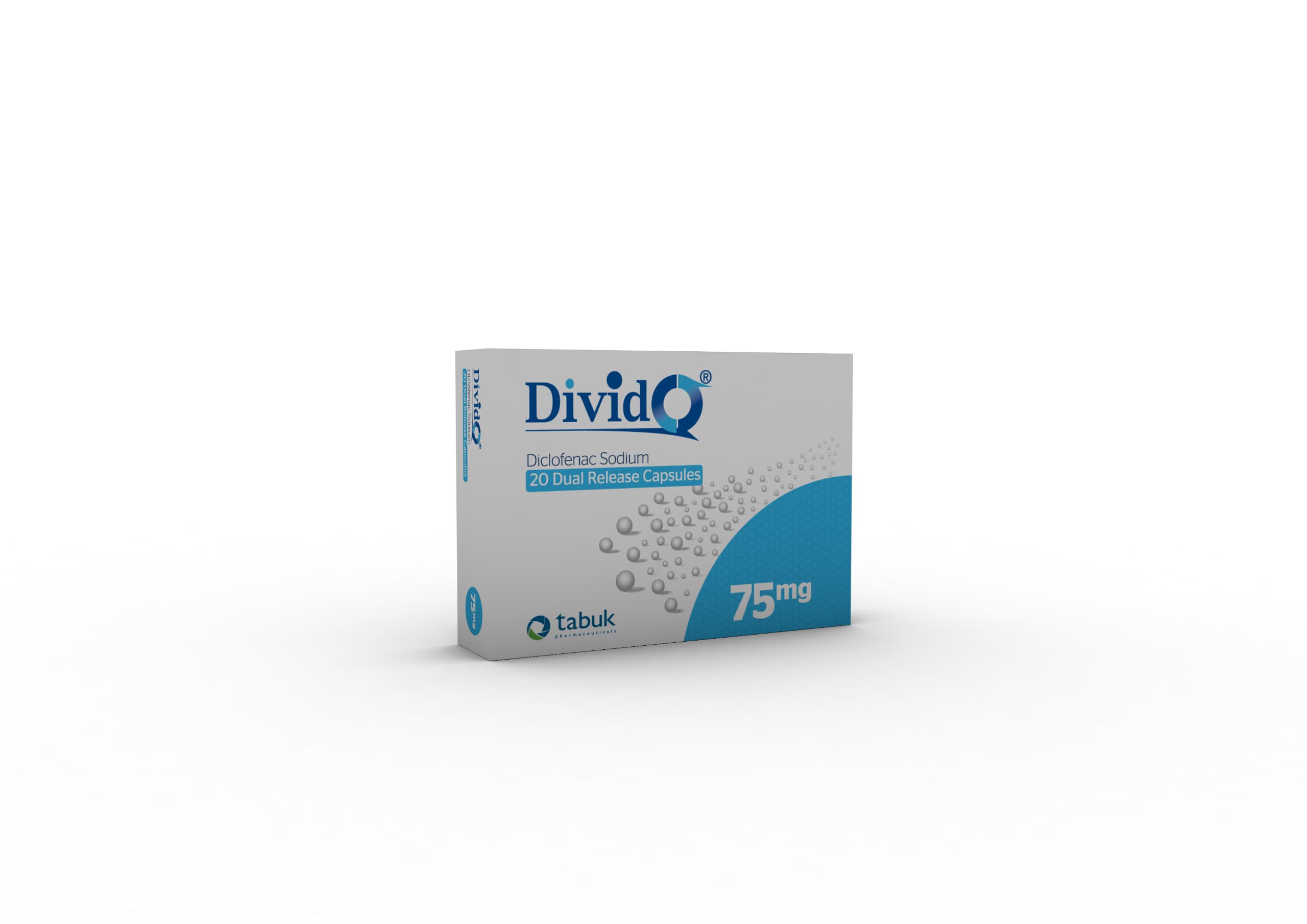
Divido 75 mg cap
75 mg
ETRICIB (Zim India)
200 mg
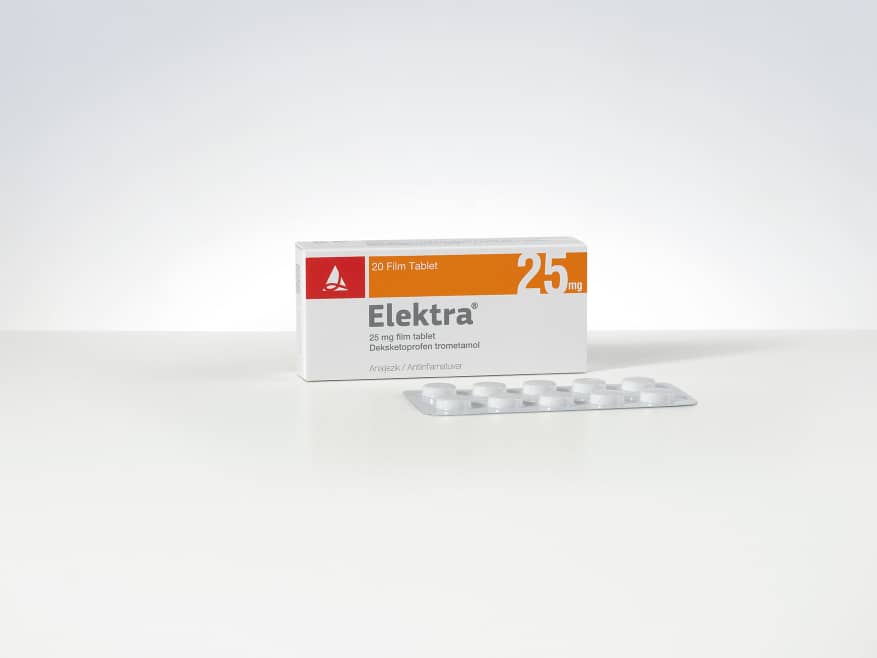
Elektra
25mg
Emuflex Cream
70 mg
Etodolac
400 mg
Etoflam
60 mg
Etol Fort tablets
400 mg
Etoricoxib
400mg
Etoricoxib (Etoflam)
90 mg
Etoricoxib Tablet
120 mg
FLEXEN
2.5%
Fastum Gel
2.5% w/w
Ibuprofen
Not specified
Indomethacin
75 mg
Mediflam D.T
50 mg
Mediflam Fast sachet
50 mg
Mediflam tab
50 mg
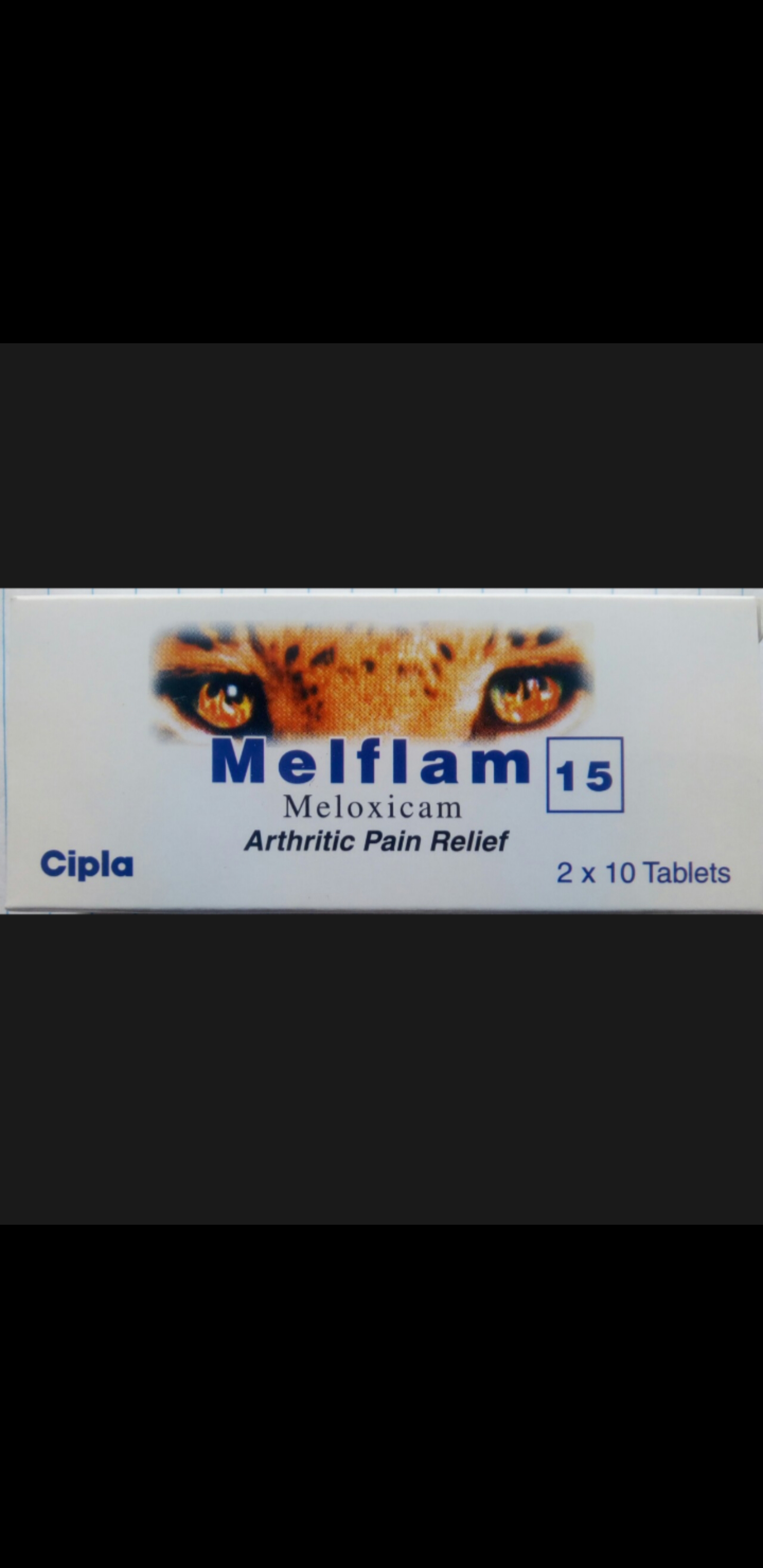
Melflam 15mg
15mg
Meloxicam
25mg
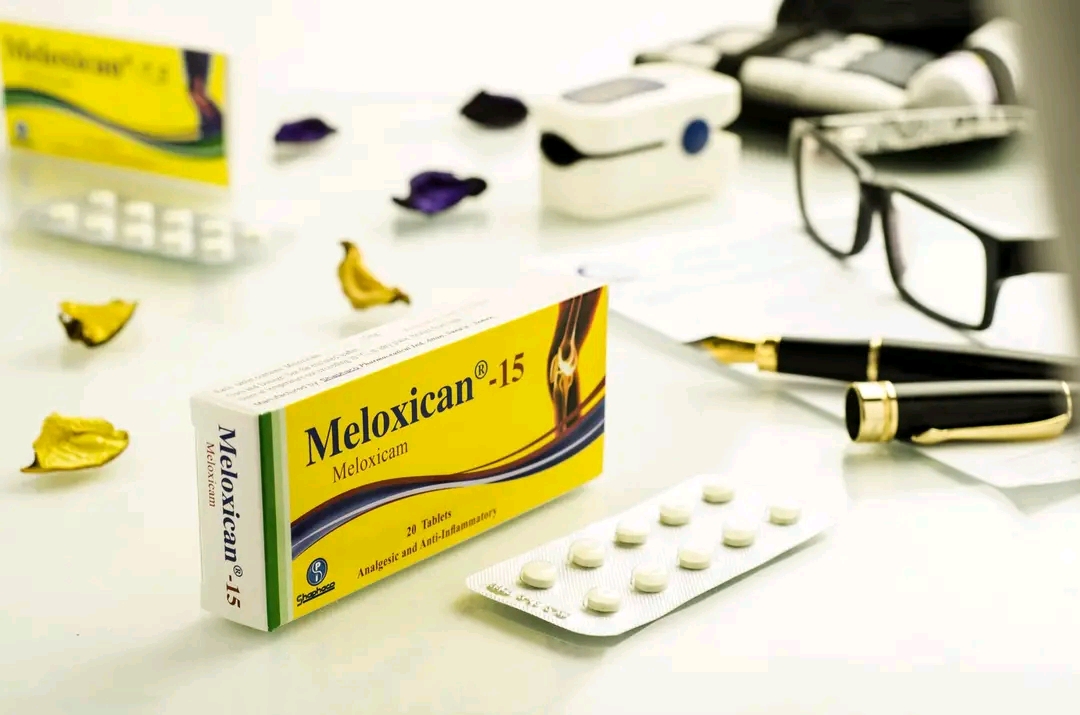
Meloxican
15 mg
Mobic (Meloxicam)
7.5mg
Mobitil (Meloxicam)
15mg
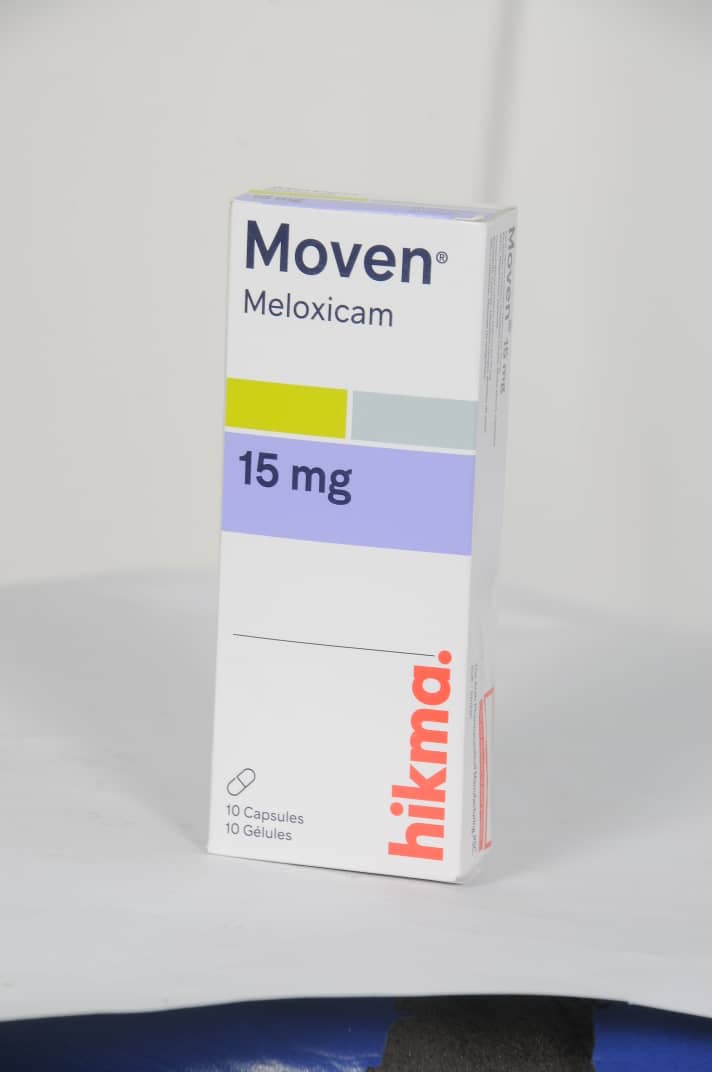
Moven15mg 30 capsules
15mg
Naprorex (Delorbis Cyprus)
500 mg
Piroxicam
15 mg
Ponstan
500mg
Profinal
100mg/5ml
Promilt-N
15 mg/1.5 mL
Proxym
300 mg
Spedifen
600 mg
Spedifen (Cleaned 395)
600 mg
Stopain
75g
Sulfax
1%
Voltaren (Diclofenac)
75mg
Zeloxim Fort
200mg
0.9% Sodium Chloride (Normal Saline)
Standard
ACD-A
1000 mL
ACE Inhibitors
Standard
ARBs
Standard
Acetaminophen-Codeine
Standard
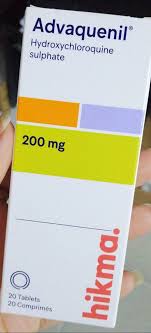
Advaquenil 200mg
200mg
Agalsidase alfa
Standard
Agalsidase beta
Standard
Albumin
Standard
Albuterol
Standard
Alcohol Swab (antiseptic)
Standard
Alteplase
Standard
Alteplase (tPA)
Standard
Amiloride
Standard
Analgesic (e.g., Fentanyl)
Standard
Analgesics (e.g., Acetaminophen, Opioids)
Standard
Analgesics (e.g., Fentanyl)
Standard
Analgesics (e.g., Fentanyl, NSAIDs)
Standard
Analgesics (e.g., NSAIDs, Opioids for post-procedure pain)
Standard
Analgesics (e.g., Opioids, NSAIDs)
Standard
Angiotensin II Receptor Blockers
Standard
Angiotensin II receptor blockers (ARBs)
Standard
Angiotensin-converting enzyme inhibitors
Standard
Angiotensin-converting enzyme inhibitors (ACE inhibitors)
Standard
Anti-emetics (e.g., Ondansetron)
Standard
Anti-emetics (e.g., Ondansetron, Aprepitant)
Standard
Antibiotics
Standard
Antibiotics (broad-spectrum, if infection suspected)
Standard
Antibiotics (e.g., Ciprofloxacin, Trimethoprim/Sulfamethoxazole)
Standard
Antibiotics (for infections)
Standard
Antibiotics (if infection present)
Standard
Antibiotics (if underlying infection is present)
Standard
Anticholinergics (e.g., Glycopyrrolate, Scopolamine) for secretions
Standard
Anticoagulant (e.g., Heparin)
Standard
Anticoagulants (e.g., Citrate, Heparin)
Standard
Anticoagulants (e.g., Heparin)
Standard
Anticoagulants (e.g., Heparin, Citrate)
Standard
Antiemetics (e.g., Ondansetron) for nausea/vomiting
Standard
Antihistamine (for contrast allergy pre-medication)
Standard
Antihistamines (e.g., Diphenhydramine - for contrast reaction management)
Standard
Antihypertensives
Standard
Antimicrobial prophylaxis (e.g., Valganciclovir, Trimethoprim-sulfamethoxazole)
Standard
Antiplatelet (e.g., Aspirin, Clopidogrel)
Standard
Antiplatelet Agent (e.g., Aspirin/Clopidogrel)
Standard
Antiplatelet Agents (e.g., Aspirin, Clopidogrel)
Standard
Antiplatelet medication (e.g., Aspirin, Clopidogrel)
Standard
Antiproliferative agents (e.g., Mycophenolate Mofetil, Azathioprine)
Standard
Antiseptic Solution (e.g., Chlorhexidine gluconate 2% or Povidone-iodine)
Standard
Antiseptic Solution (e.g., Chlorhexidine)
Standard
Antiseptic solution (e.g., Chlorhexidine gluconate)
Standard
Antiseptic solution (e.g., Chlorhexidine or Povidone-iodine)
Standard
Antiseptic solution (e.g., Chlorhexidine, Povidone-iodine)
Standard
Antiseptic solution (e.g., Povidone-iodine, Chlorhexidine)
Standard
Antiseptic solution (e.g., isopropyl alcohol)
Standard
Anxiolytic (e.g., Lorazepam) for claustrophobia
Standard
Anxiolytics (e.g., Midazolam - for sedation, if indicated)
Standard
Aranesp
40 mcg / 0.4 mL
Arm Brace
N/A
Arm Sling
N/A
Aspirin (antiplatelet)
Standard
Basiliximab
Standard
Benlysta
200 mg / mL
Benzodiazepines (e.g., Lorazepam, Midazolam) for anxiety/agitation/dyspnea
Standard
Biologic agents (e.g., TNF inhibitors, anti-CD20 antibodies)
Standard
Bisphosphonates
Standard
Bivalirudin
Standard
Bone Guard
150mg
Bortezomib
Standard
Broad-spectrum antibiotics
Standard
Broad-spectrum antibiotics (e.g., Cefazolin, Vancomycin)
Standard
CRRT Replacement Fluids/Dialysate
Standard
CRRT replacement fluids/dialysate solutions
Standard
CT contrast agent (e.g., Iodinated)
Standard
CVVHDF Replacement Fluid/Dialysate
Standard
Cal-D-Up
Unspecified
Calcineurin inhibitors (e.g., Tacrolimus, Cyclosporine)
Standard
Calcitriol
Standard
Calcium Chloride
Standard
Calcium and Vitamin D supplements (post-operative)
Standard
Cefazolin (Prophylactic antibiotic)
Standard
CellCept
500 mg
Cervical Collar
N/A
Cervical Collar, Hard
N/A
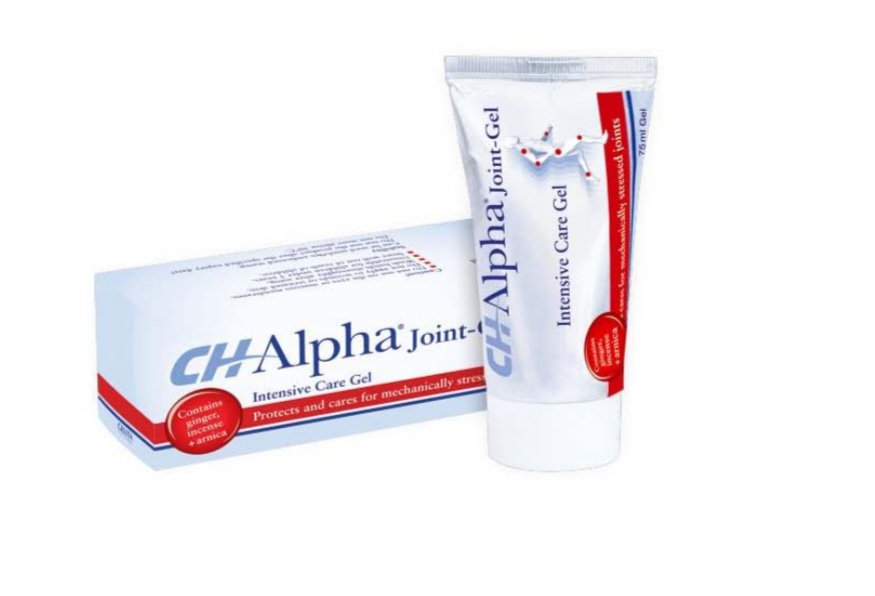
Ch alpha gel
75ml
Chlorhexidine (antiseptic)
Standard
Chlorhexidine (for skin antisepsis)
Standard
Chlorhexidine gluconate (skin antiseptic)
Standard
Chlorhexidine or Povidone-iodine (antiseptic solution)
Standard
Chlorthalidone
Standard
Cidofovir
Standard
Cinacalcet
Standard
Citrate Salts (e.g., Potassium Citrate)
Standard
Clopidogrel (antiplatelet)
Standard
Conjugated estrogens
Standard
Conscious Sedation (e.g., Midazolam, Fentanyl)
Standard
Corticosteroids
Standard
Corticosteroids (e.g., Dexamethasone)
Standard
Corticosteroids (e.g., Methylprednisolone)
Standard
Corticosteroids (e.g., Prednisone - for pre-medication in high-risk patients)
Standard
Corticosteroids (e.g., Prednisone, Methylprednisolone)
Standard
Cryoprecipitate
Standard
Crystalloids
Standard
Cuprimine
250 mg
Cyclophosphamide
Standard
Cycloplegic eye drops (e.g., cyclopentolate)
Standard
Cysteamine
Standard
Cytoxan
50 mg
Danaparoid
Standard
Danzan Tablets
10 mg (20,000 IU)
Daratumumab
Standard
Deanxit
Flupentixol 0.5 mg / Melitracen 10 mg
Desmopressin
Standard
Dextrose 5% in 0.45% Sodium Chloride
Standard
Dextrose 5% in Water (D5W)
Standard
Diacerein
50 mg
Dialysis Solution
Standard
Diltiazem
Standard
Diphenhydramine
Standard
Diphenhydramine (for allergy pre-medication)
Standard
Direct Oral Anticoagulants (DOACs)
Standard
Diuretics
Standard
Diuretics (e.g., Furosemide)
Standard
Diuretics (e.g., Furosemide) for symptomatic fluid overload (if indicated for comfort)
Standard
Dobutamine
Standard
Eculizumab
Standard
Elbow Hard Brace
N/A
Electrolyte Supplements (e.g., Calcium Gluconate)
Standard
Electrolyte Supplements (e.g., Calcium gluconate, Potassium chloride)
Standard
Electrolyte additives (e.g., Calcium chloride, Potassium chloride)
Standard
Elitek
1.5 mg
Empaveli
1080 mg / 20 mL
Empiric antibiotics (post-culture, if infection suspected)
Standard
Enbrel
50mg/ml
Enteral feeding formulas (e.g., polymeric, elemental, disease-specific)
Standard
Enzyme replacement therapy (ERT) supportive medications (e.g., antihistamines, corticosteroids for infusion reactions)
Standard
Epinephrine (for bleeding control)
Standard
Erythropoiesis-stimulating agents (e.g., Epoetin alfa)
Standard
Erythropoietin
Standard
Etoritan
90 mg
Evrenzo
50 mg
Febuxostat 80 mg
80 mg
Femara (Assumed)
Unspecified
Fentanyl (Analgesic/Anesthetic)
Standard
Fentanyl (analgesia/sedation)
Standard
Fentanyl (for analgesia/sedation, if indicated)
Standard
Fluconazole
150 mg
Fludrocortisone
Standard
Fluorescein dye strips/drops
Standard
Fondaparinux
Standard
Formoterol
Standard
Foscarnet
Standard
Fresh Frozen Plasma
Standard
Furosemide (if fluid overloaded and urine output is low)
Standard
GLP-1 Receptor Agonists
Standard
Gabapentin Cream
10%
Gazyva
1000 mg / 40 mL
General Anesthetic Agents
Standard
General Anesthetic Agents (e.g., Propofol, Sevoflurane)
Standard
General Anesthetic Agents (if general anesthesia used)
Standard
General Anesthetics (e.g., Propofol, Sevoflurane)
Standard
General anesthetics (e.g., Propofol, Sevoflurane, Fentanyl)
Standard
Gentamicin
Standard
Granulocyte Colony-Stimulating Factors (G-CSF) (e.g., Filgrastim)
Standard
Hard Cervical Collar
N/A
Heparin (Anticoagulant)
Standard
Heparin (for catheter patency, if TPN)
Standard
Heparin (pre-filled in ABG syringe)
Standard
Heparin or Citrate Lock Solution (for catheter lumen patency)
Standard
Humira
40mg/0.8ml
Hydroxyapatite Paste (Injectable)
100mg
Hydroxychloroquine
200 mg
Hypertonic Saline
Standard
IV Fluids
Standard
IV Saline (hydration and flush)
Standard
Ibandronate
150 mg
Immunosuppressants
Standard
Immunosuppressants (e.g., Tacrolimus, Mycophenolate Mofetil, Prednisone)
Standard
Immunosuppressants (e.g., corticosteroids, azathioprine)
Standard
Imuran
50 mg
Induction immunosuppressants (e.g., Basiliximab, Alemtuzumab)
Standard
Insulin
Standard
Insulin (for glucose control)
Standard
Intravenous Immunoglobulin (IVIG)
Standard
Intravenous fluids
Standard
Intravenous fluids (e.g., Normal Saline)
Standard
Iodinated Contrast Agent
Standard
Iodinated Contrast Media
Standard
Iodinated contrast media (e.g., Iohexol, Iodixanol)
Standard
Iodinated contrast medium
Standard
Ipratropium Bromide
Standard
Iron Supplements
Standard
Iron supplements (e.g., Ferrous sulfate)
Standard
Iron supplements (if anemia is present)
Standard
Isopropyl alcohol (for skin antisepsis)
Standard
Itraconazole
200 mg
Jesduvroq
2 mg
Jynarque
45 mg AM / 15 mg PM
Ketamine Cream
10%
Ketoconazole Cream
2%
Ketosana gel
2.5
L-carnitine
Standard
Lactated Ringer's solution
Standard
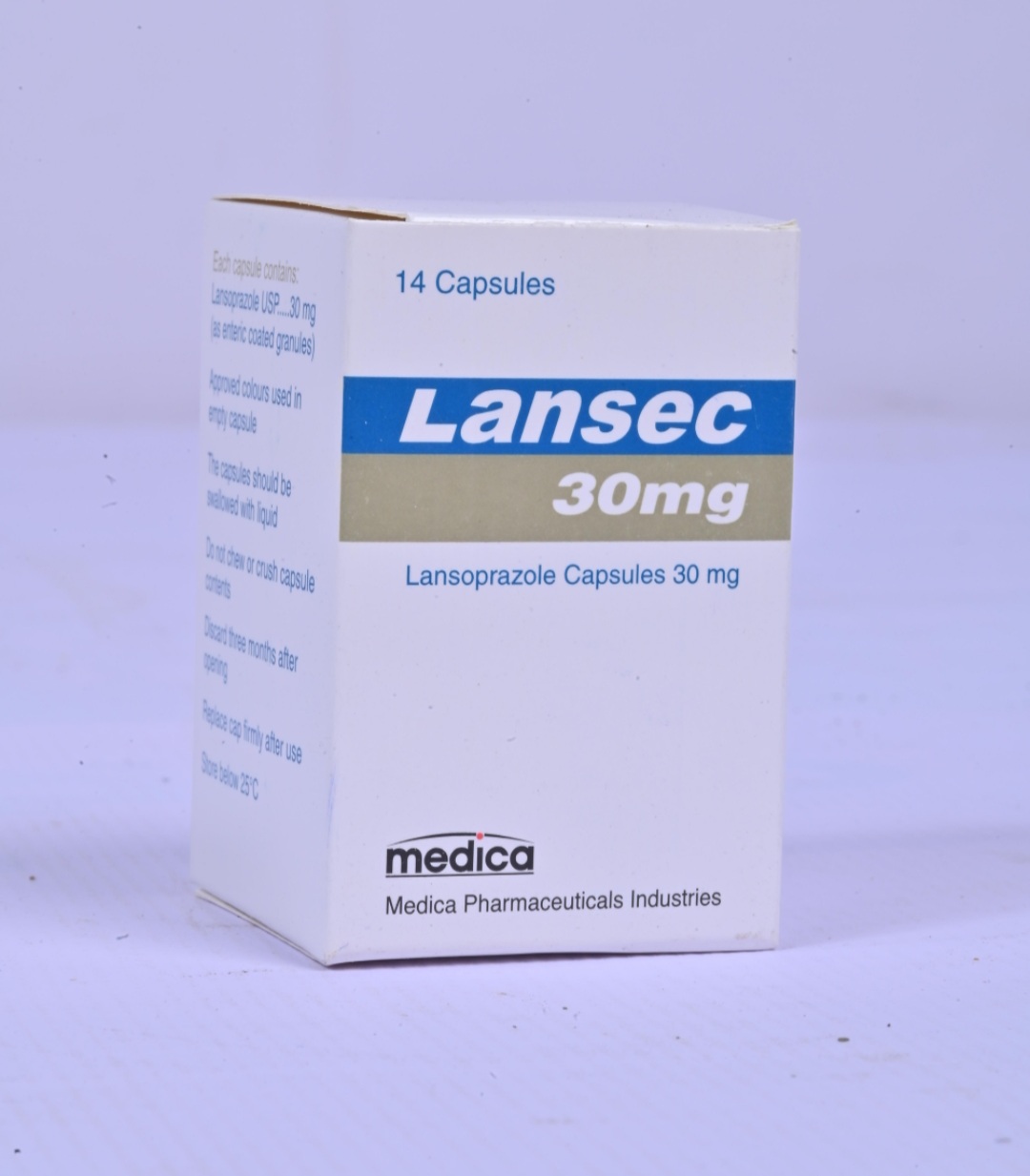
Lansec 30mg
30mg
Lantak (Lansoprazole)
30mg
Lasix (Furosemide)
40mg
Laxido
13.125g
Lenalidomide
Standard
Letermovir
Standard
Levetiracetam
Standard
Lidocaine (Local Anesthetic)
Standard
Lidocaine (local anesthetic, optional)
Standard
Lidocaine (topical/nebulized anesthetic)
Standard
Lidocaine 1% (for local anesthesia if indicated)
Standard
Lidocaine gel (for catheter insertion)
Standard
Lidocaine with epinephrine (local anesthetic)
Standard
Lisinopril 10mg
Standard
Lithostat
250 mg
Local Anesthetic (e.g., Lidocaine 1% or 2%)
Standard
Local Anesthetic (e.g., Lidocaine with Epinephrine)
Standard
Local Anesthetic (e.g., Lidocaine)
Standard
Local Anesthetic (e.g., Lidocaine, Bupivacaine)
Standard
Local anesthetic (e.g., Lidocaine) - if required for catheter removal
Standard
Local anesthetic (e.g., Lidocaine) for vascular access
Standard
Lomac (Omeprazole)
20mg
Lomed cap
20 mg
Loop diuretics (e.g., Furosemide) - use with caution and only if fluid overloaded
Standard
Loratadine
10 mg
Lorazepam
Standard
Low Molecular Weight Heparin (LMWH)
Standard
Lumasiran
Standard
Lumbo-Sacral Orthosis (Hard Brace)
N/A
Lupkynis
7.9 mg
MRI contrast agent (e.g., Gadolinium-based)
Standard
Magnesium Oxide
Standard
Mannitol
Standard
Medications for managing complications (e.g., ACE inhibitors, ARBs for proteinuria, diuretics, antihypertensives)
Standard
Mepolizumab
Standard
Methoget (Methotrexate)
2.5mg
Methotrexate 15mg Weekly
15mg
Methylprednisolone (for allergy pre-medication)
Standard
Metoprolol
Standard
Midazolam (Sedation)
Standard
Midazolam (for conscious sedation, if indicated)
Standard
Midazolam/Fentanyl (conscious sedation, if needed)
Standard
Midazolam/Fentanyl (for conscious sedation)
Standard
Midodrine
Standard
Migalastat
Standard
Mircera
50 mcg / 0.3 mL
Morphine (Post-operative analgesia)
Standard
Mycophenolate Mofetil
Standard
Mydriatic eye drops (e.g., tropicamide)
Standard
Myfortic
360 mg
N-acetylcysteine
Standard
N-acetylcysteine (potential nephroprotective agent, evidence is evolving)
Standard
N-acetylcysteine - if nephrotoxic insult is suspected and within treatment window
Standard
Neoral
100 mg
Nexium (Esomeprazole)
40mg
Nitroprusside
Standard
Nonsteroidal anti-inflammatory drugs (NSAIDs)
Standard
Norepinephrine
Standard
Normal Saline (for IV flush)
Standard
Normal Saline (for flushing)
Standard
Normal Saline (for irrigation)
Standard
Normal Saline 0.9%
Standard
Normal Saline or Lactated Ringer's (lavage fluid)
Standard
Normal saline (for flush)
Standard
Noxilorn
8mg
Nulojix
250 mg
Oflox
400mg
Ondansetron 4mg (PRN Nausea)
Standard
Opioid analgesics (e.g., Morphine, Hydromorphone) for pain/dyspnea
Standard
Osteo Alph
0.25 mcg
Oxlumo
94.5 mg / 0.5 mL
Oxygen
Standard
Panocer
40 mg
Pantodar
40 mg
Pantoscot
40 mg
Paracetamol/NSAID (for post-procedure pain, as needed)
Standard
Penicillamine
Standard
Penicillin G Benzathine
Standard
Pentoxifylline
Standard
Pepzol
20 mg
Pericardiocentesis fluid analysis (for culture and sensitivity)
Standard
Perthes Abduction Brace
N/A
Phosphate Binders
Standard
Phosphate binders (e.g., Calcium acetate)
Standard
Phosphate binders (e.g., Calcium acetate, Sevelamer)
Standard
Phosphate supplements
Standard
Piperacillin-Tazobactam
Standard
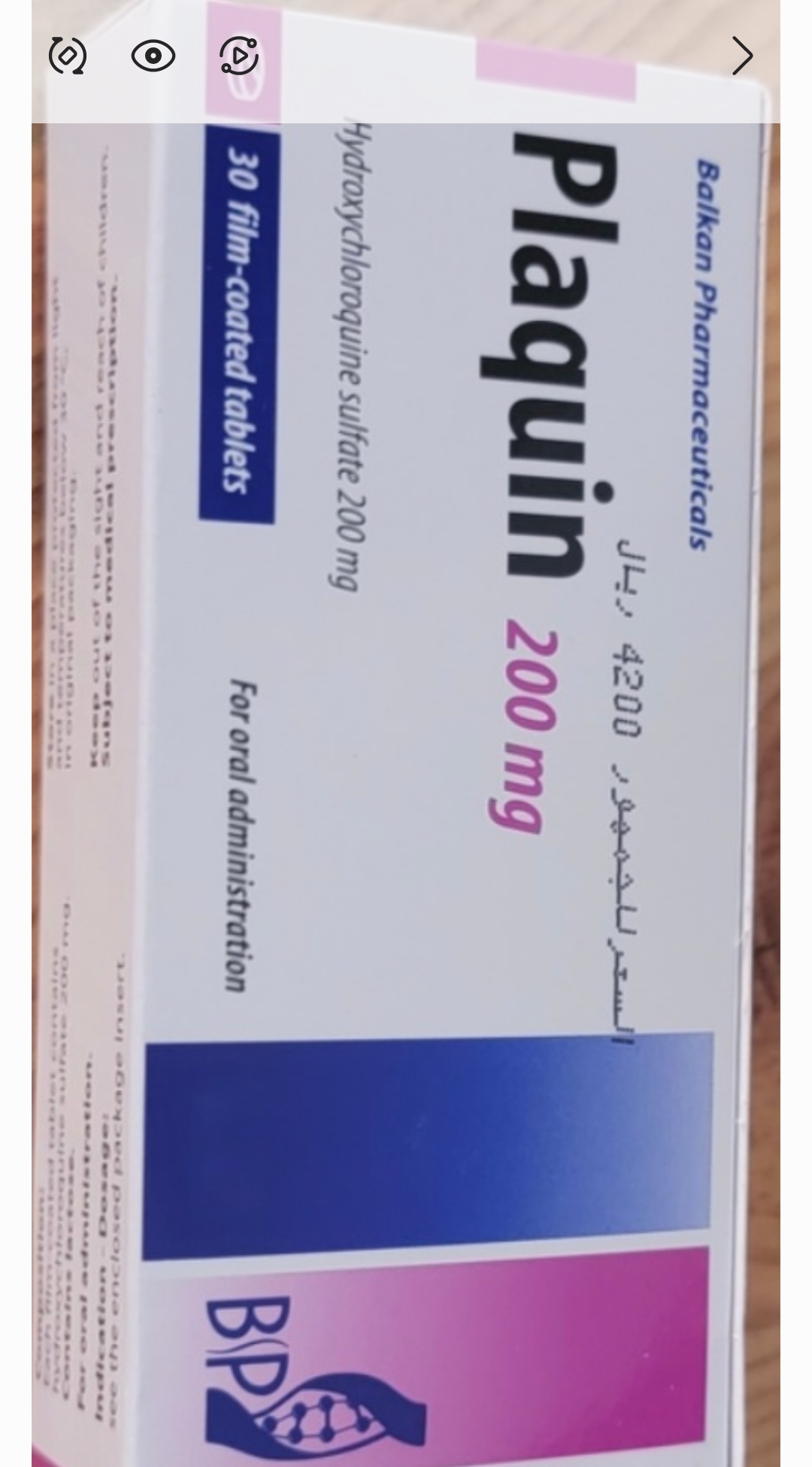
Plaquin
200 mg
Plasil
10 mg/2 mL
Plasma exchange
Standard
Plasma-Lyte
Standard
Plasmapheresis
Standard
Platelet concentrate
Standard
Plexadol
50 mg
Post-operative Analgesics
Standard
Post-operative Analgesics (e.g., Opioids, NSAIDs)
Standard
Post-procedure Analgesics (e.g., NSAIDs, Opioids)
Standard
Potassium Chloride
Standard
Potassium Citrate
Standard
Potassium binders (e.g., Patiromer)
Standard
Potassium binders (e.g., Sodium Polystyrene Sulfonate)
Standard
Potassium citrate (alkalinizing agent to help dissolve struvite stones)
Standard
Povidone-iodine or Chlorhexidine (antiseptic solution)
Standard
Power B12
500 mcg
Prednisolone
Standard
Prireptol
75mg
Prograf
1 mg
Promovia Hydroblance
100mg
Prophylactic Antibiotic (e.g., Cefazolin)
Standard
Prophylactic Antibiotic (if indicated)
Standard
Prophylactic Antibiotics
Standard
Prophylactic Antibiotics (case-dependent, e.g., Cefazolin)
Standard
Prophylactic Antibiotics (e.g., Cefazolin)
Standard
Prophylactic Antibiotics (e.g., Cefazolin, Vancomycin)
Standard
Propofol (Anesthetic induction)
Standard
Proteasome Inhibitors (e.g., Bortezomib)
Standard
Proton pump inhibitors (for stress ulcer prophylaxis)
Standard
Pyridoxine
Standard
Rapamune
1 mg
Rasburicase
Standard
Ravulizumab
Standard
Reparil
20 mg
Revarox
10 mg
Rigid Knee Brace
N/A
Rituxan
100mg/10ml
Rituxan
500 mg / 50 mL
Rituximab
Standard
Rivarox
15 mg
Rocuronium (Muscle relaxant)
Standard
SGLT2 Inhibitors
Standard
Salbutamol (Albuterol)
Standard
Salbutamol (bronchodilator, if indicated)
Standard
Saline
Standard
Saline Flush
Standard
Saline solutions (e.g., 0.9% NaCl)
Standard
Samsca
15 mg
Sclerosing Agent (e.g., Talc slurry)
Standard
Secjoint
90 mg
Sedation (e.g., Midazolam)
Standard
Sedative (e.g., Midazolam)
Standard
Sedative (e.g., Midazolam) for uncooperative or claustrophobic patients
Standard
Sedative/Analgesic (e.g., Midazolam, Fentanyl)
Standard
Sedatives (e.g., Midazolam)
Standard
Sedatives (e.g., Propofol)
Standard
Senokot
8.6mg
Silicone Heel Pad
N/A
Simulect
20 mg
Sodium Bicarbonate (for urine alkalinization, if indicated)
Standard
Sodium Citrate
Standard
Sodium Phenylbutyrate
Standard
Sodium Thiosulfate
250 mg / mL
Sodium bicarbonate - for severe metabolic acidosis
Standard
Soliris
300 mg / 30 mL
Specific Chemotherapeutic Agents (e.g., Cisplatin, Doxorubicin, Paclitaxel)
Standard
Specific Intravenous Antibiotic (e.g., Ceftriaxone, Vancomycin)
Standard
Spinal Needle
16G
Statins
Standard
Sterile Saline (for bladder instillation)
Standard
Streptokinase
Standard
Suboxone
8mg/2mg
Sunday
5000 IU
Systemic antibiotics (if infection present or high risk)
Standard
THAM
0.3 M / 500 mL
TPN solution (customized with dextrose, amino acids, lipids, electrolytes, vitamins, trace elements)
Standard
Tamoxifen
Standard
Tapentamed
50mg
Tavneos
10 mg
Thiazide Diuretics
Standard
Thiola
100 mg
Thiopronin
Standard
Thiotacide
300mg
Thoracolumbosacral Orthosis (TLSO) Brace
N/A
Thymoglobulin
25 mg / Vial
Tiotropium
Standard
Topical anesthetic eye drops (e.g., proxymetacaine)
Standard
Topical antibiotic ointment (e.g., bacitracin, mupirocin)
Standard
Uloric
40 mg
Unfractionated Heparin
Standard
Unfractionated Heparin (UFH)
Standard
Unidentified Medication (Original input "Olca ,25" does not correspond to a recognized medication name. Please verify.)
25mg (Assumed based on "25" in input, but active i
Unitaxime M
1g
Unitiaxone
1g
Uricosuric agents (e.g., Allopurinol, if underlying hyperuricemia is a contributing factor)
Standard
Urokinase
Standard
Vasopressors
Standard
Vasopressors (e.g., Norepinephrine)
Standard
Vasopressors (e.g., Norepinephrine) for hemodynamic support
Standard
Vasopressors (e.g., Norepinephrine) for hemodynamic support if needed
Standard
Vasopressors/Inotropes (as needed for hemodynamic support)
Standard
Vitamin D Analogs
Standard
Vitamin D analogs (e.g., Calcitriol)
Standard
Vitamin D analogs (e.g., Paricalcitol)
Standard
Vitamin D supplements
Standard
Vitamin K (for warfarin reversal)
Standard
Wrist Brace
N/A
Xopan
40mg
Zedrfy
500mg
Zortress
0.75 mg
Zurcal
40mg
Zyloprim
100 mg
Zyloric (Allopurinol)
100mg
apixmed 5 mg
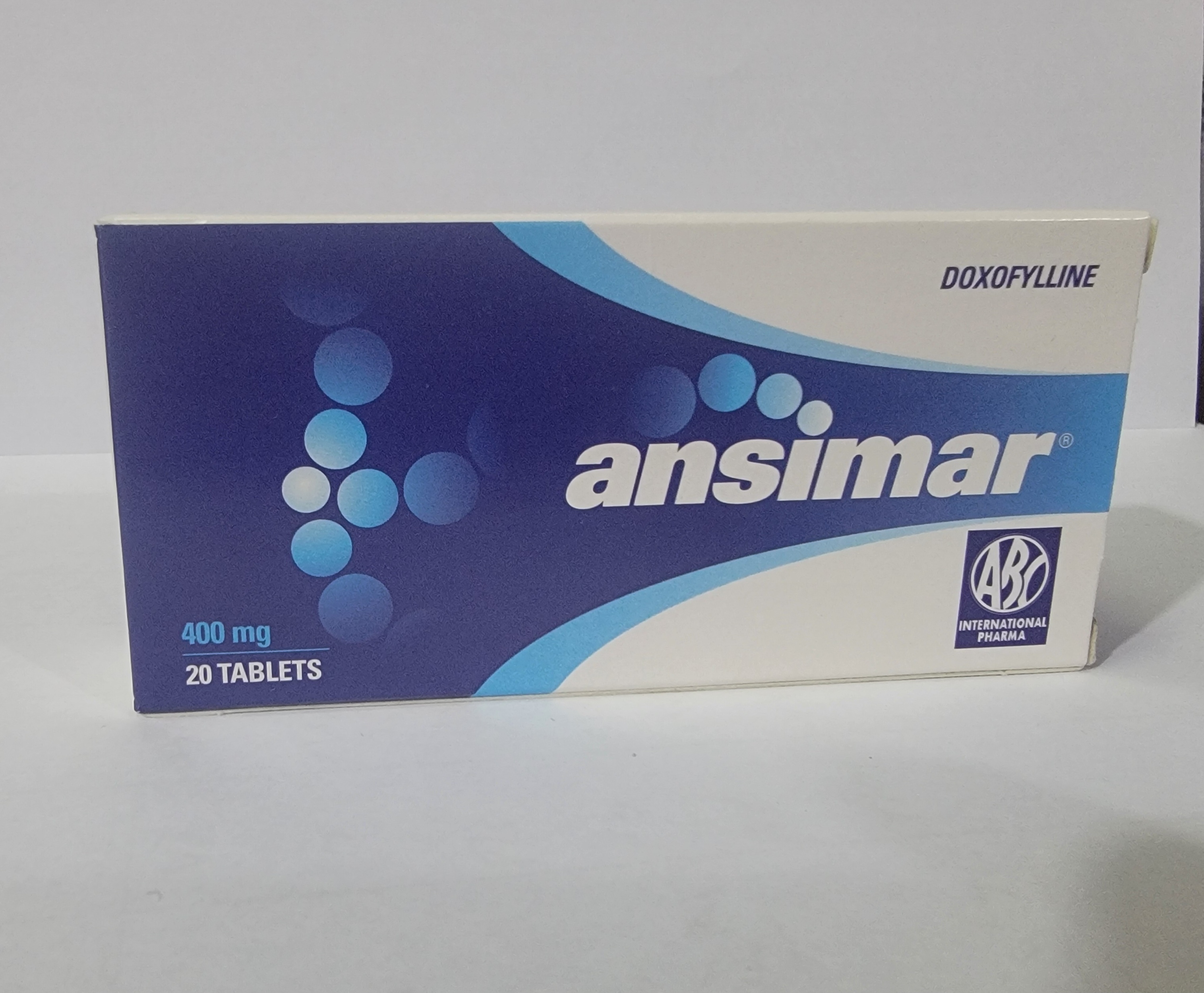
Ansimar tablet
400mg
Arthri-Flex Cream
Varies by formulation
ArthroFlex Tablet
Varies by formulation; typically a combination of
Auryxia
210 mg (Ferric Iron)
Bioheal D3 Tablet
1000 IU
C-Retard
500mg
CH Alpha plus
Hydrolysed Collagen FORTIGEL® 5g
CH-Alpha Oral Solution
Collagen Hydrolysate 10g
CH-Alpha Osteo
Collagen Hydrolysate 5g ,calcium500mg ,VitD3 400IU
CH-Alpha Plus
Hydrolysed Collagen FORTIGEL® 5g
COLLAJOINT
40mg - 3.3 mg - 5mg
Calcitra tablet
elemental 200mg
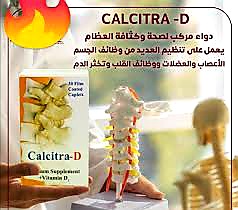
Calcitra-D
elemental 200mg
Calcium Carbonate/Vitamin D3
600mg elemental Calcium / 400 IU Vitamin D3
Calcium Citrate
500mg
Calcium Citrate with Vitamin D3
600mg / 400 IU
Calcium and Vitamin B12
Strength not specified in record
Calcium, Magnesium, Zinc
Varies (e.g., Calcium 1000mg, Magnesium 400mg, Zin
Calcium, Zinc, and Vitamin D3
Calcium 500mg, Zinc 7.5mg, Vitamin D3 400IU
Cartigen D
Varies
Collagen Joint Support Oral Solution
Not specified (per 500mL bottle)
DEVIT-3 oral drop
50000IU/15ml
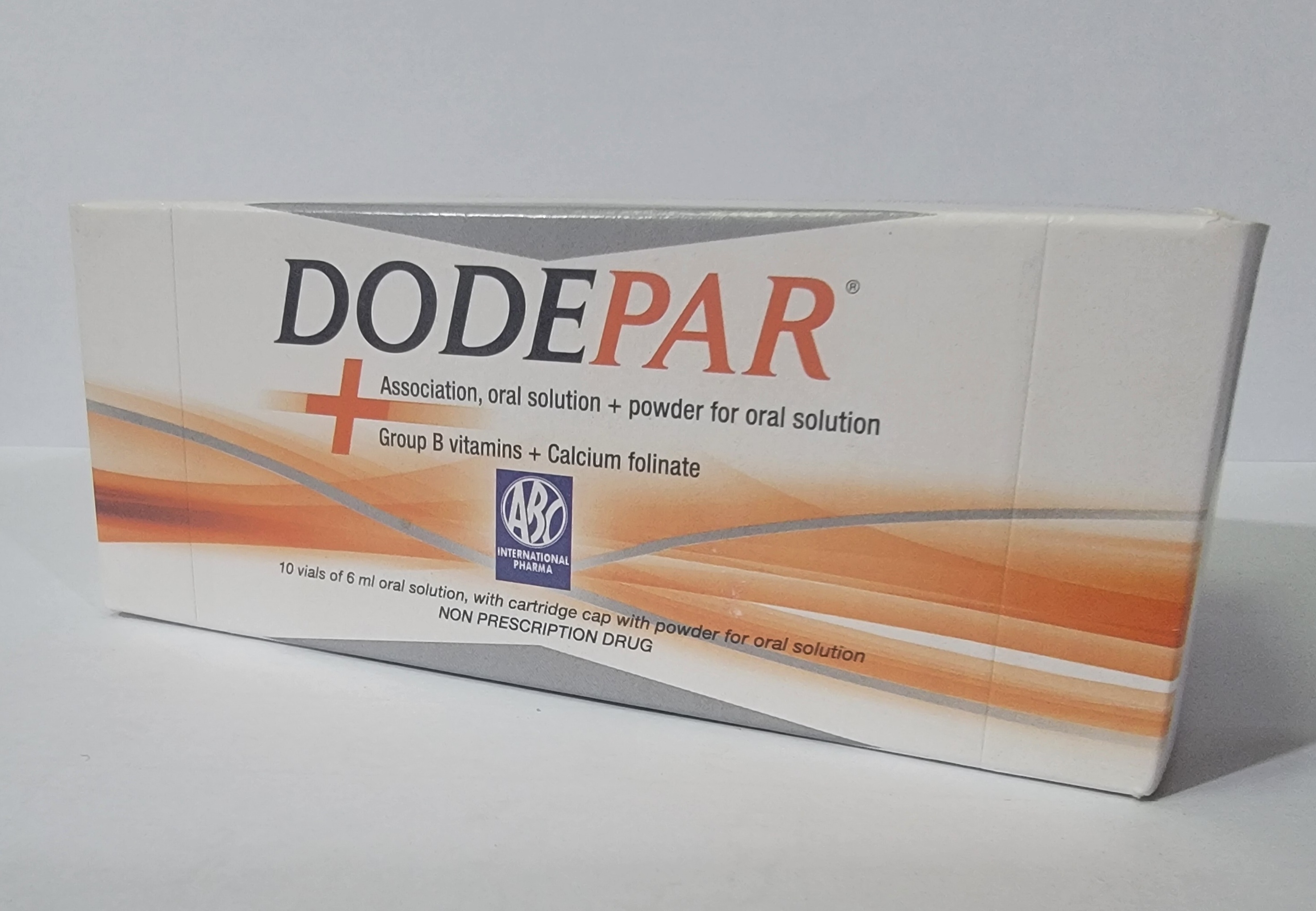
DODEPAR ORAL VIAL
1000mcg/500mcg/5mg/6.1mg/10mg
Devit-3
300,000 IU
Diacerin
50 mg
Feraheme
510 mg / 17 mL
Ferric Carboxymaltose
50 mg/mL (1000 mg/20 mL vial)
Ferrous Fumarate
Not specified
Folic Acid
5 mg
Fosrenol
500 mg
Genuphil
Glucosamine Sulfate 750mg, Chondroitin Sulfate 600
Glucosamine
500mg
IV Iron (Ferric Carboxymaltose)
750mg
Injectafer
750 mg / 15 mL
Iron (Ferrous Sulfate)
325mg
Jointace
Varies (combination product)
Juvamine Mg (Juvasante French)
Magnesium 300 mg and B2 1.2 mg and B6 2 mg
Lynae D3 50,000
50,000 iu
Lynae D3+K2
D3 (50,000 IU) and K2 (125 mg)
MECOKEM B12 Tablets
500 ميكروجرام
MSM Cream
Various concentrations
Mabil
500mcg
Mabil500mcg
500mcg
Maltofer
100 mg (elemental iron)
Marcal
700mg
Metaferol
Multi-ingredient, strength varies per 5mL
Methylcobalamin
500 mcg
Multivitamin with Minerals
Varies by formulation
Muvit D3 + K2
50,000 IU Cholecalciferol / 100 mcg Menaquinone-7
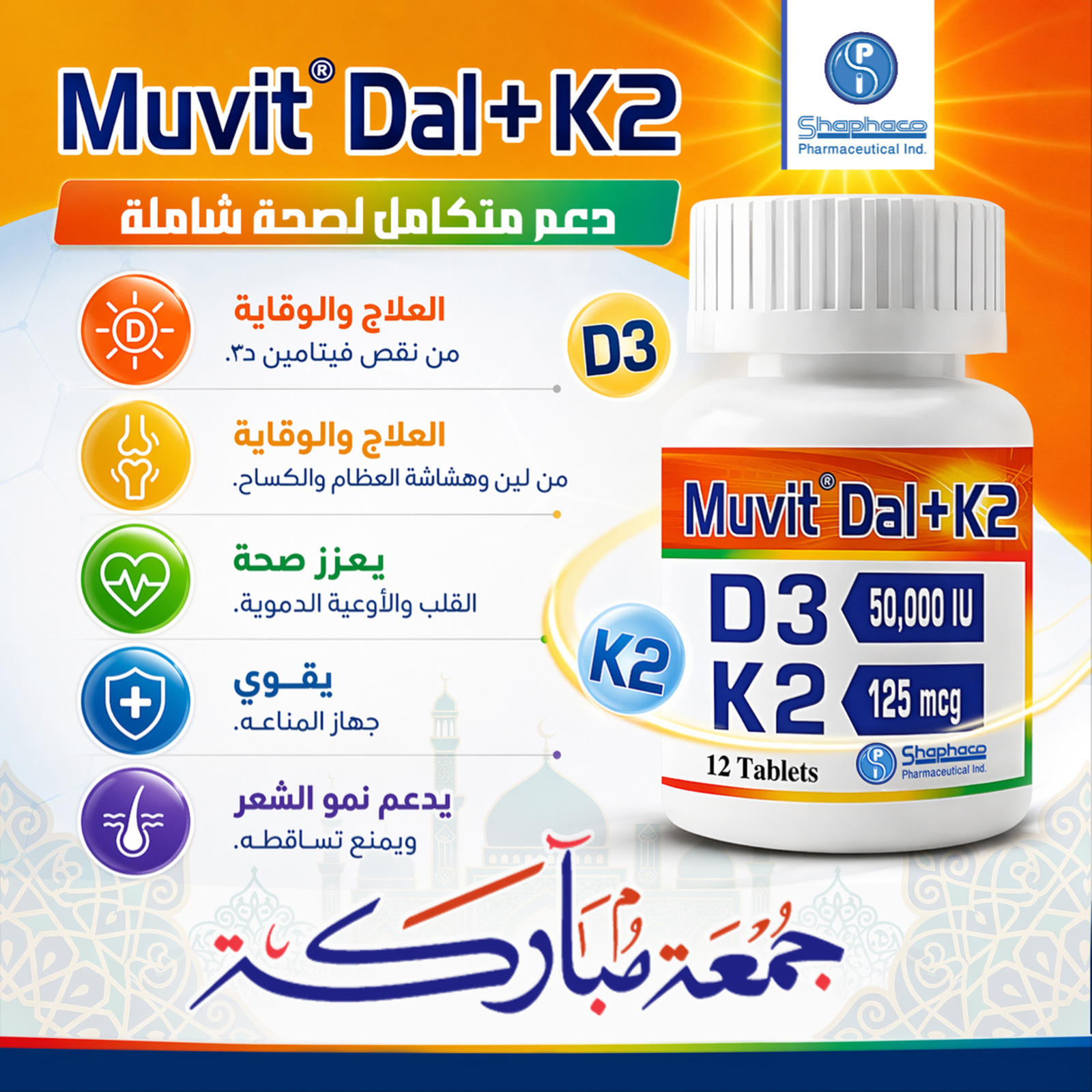
Muvit dal +k2
50000 /125
Myophytum
Varies per capsule, refer to product label
Nutraxin Vitals Vitamin C
Not specified
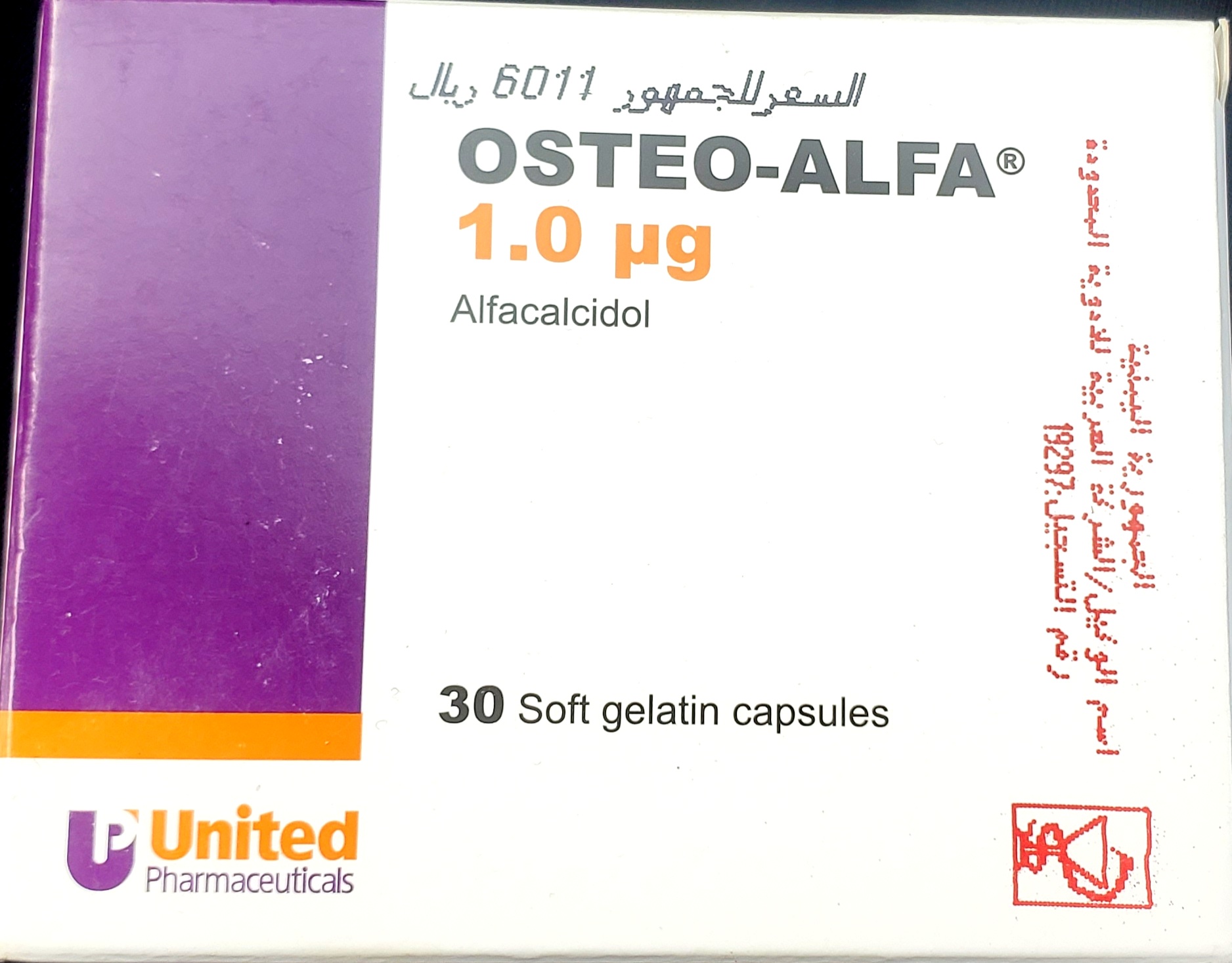
Osteo Alfa
1 micro
Osteocare
Calcium 1000mg / Vitamin D3 400 IU
Osteocare Plus
Per 2 tablets: Calcium 800mg, Vitamin D3 10mcg (40
Osteoheal-D
Calcium Carbonate 600mg, Cholecalciferol 400 IU
Osteoheel
N/A
Ostestop vitamin D3 50000
50,000 IU
PhosLo
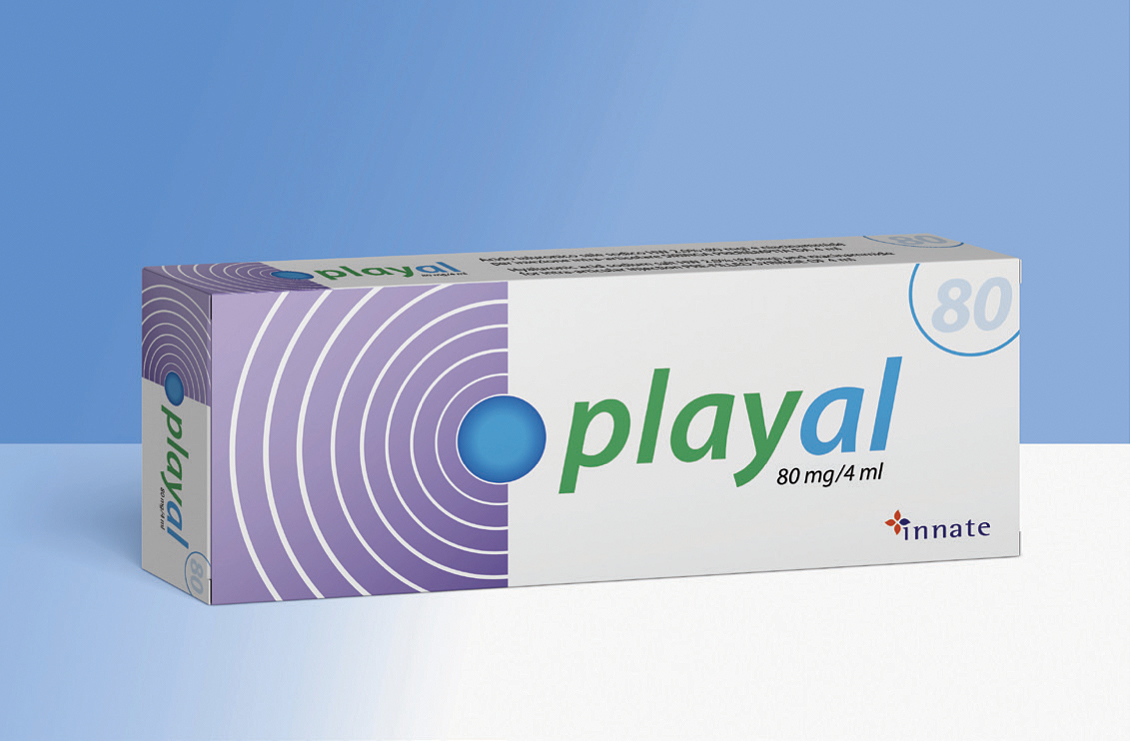
667 mg
Playal
80mg + 20mg
Renvela
800 mg
Secjiont
0.2% (typically)
Shohl's Solution
500 mg / 5 mL
Sodium Bicarbonate
650 mg
Tothema
50mg elemental iron/10mL
Urocit-K
10 mEq
Velphoro
500 mg
Venofer
100 mg / 5 mL
Vitamin B12 (Cyanocobalamin)
1000mcg
Vitamin B12 Oral Disintegrating Film
Not specified
Vitamin B6
50 mg
Vitamin C
1000mg
Vitamin D3
Varies (e.g., 1000 IU, 5000 IU, 50000 IU)
Vitamin D3 (Cholecalciferol)
50,000 IU
Vitamin D3 50,000 IU
50,000 IU
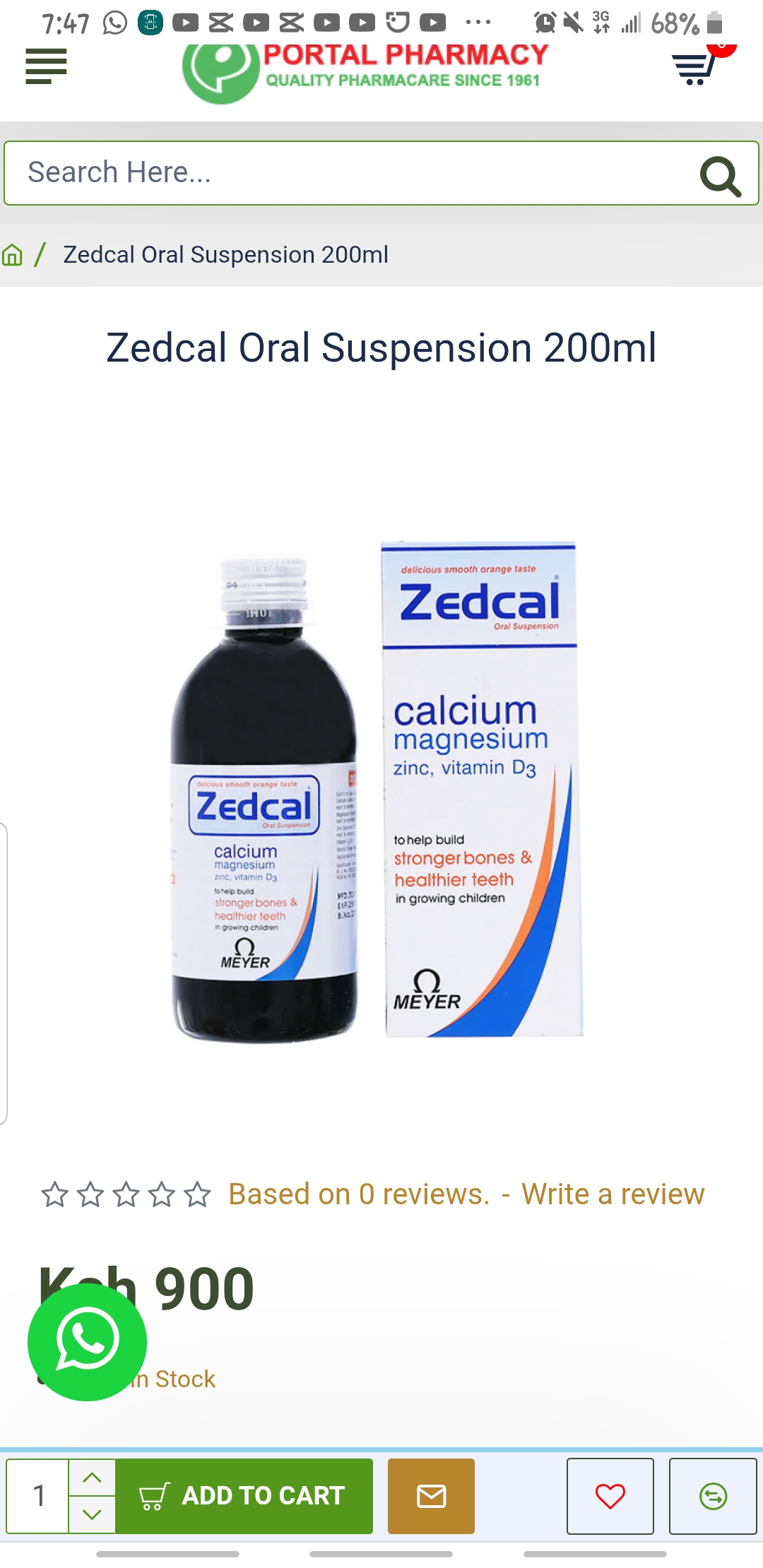
Zedcal syr
5ml ca(150)mg
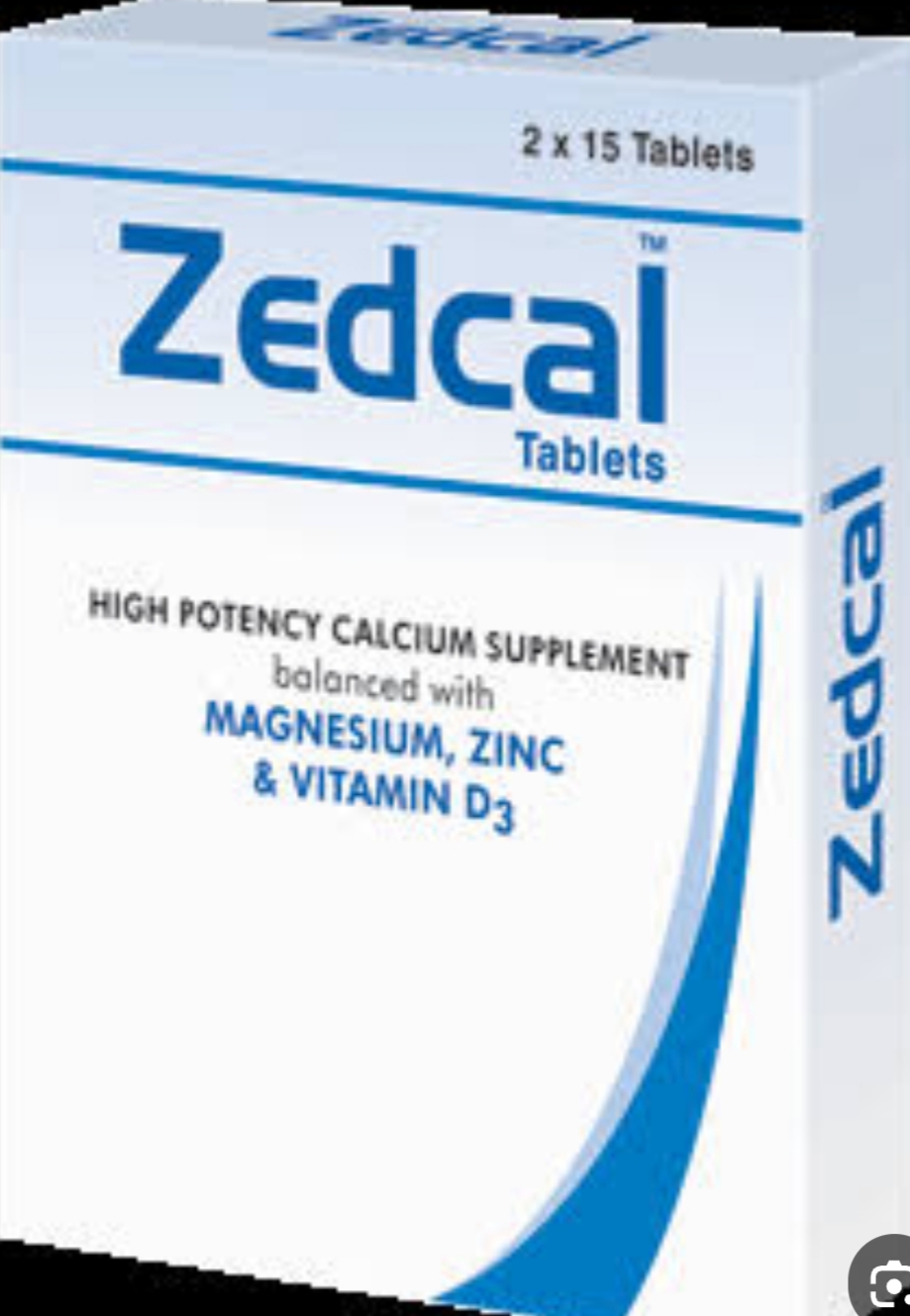
Zedcal tab
Ca(1000)mg/Mg(240)mg/D(200)mg/Zn(11mg)
Zinc Sulfate
220mg
by cal
400 mg
Share this guide: