Clinical Assessment & Protocol
Typical Presentation (HPI)
EN: Family reports the patient is agitated, confused, and hallucinating, making it impossible to communicate. AR: تفيد العائلة بأن المريض يعاني من هياج، ارتباك، وهلوسة، مما يجعل التواصل معه مستحيلاً.
General Examination
EN: Confusion Assessment Method (CAM) positive for acute onset and inattention. AR: اختبار تقييم الارتباك (CAM) إيجابي بوجود بداية حادة وعدم انتباه.
Treatment Protocol
EN: Palliative management with neuroleptics like haloperidol or levomepromazine and environmental modification. AR: رعاية تلطيفية باستخدام مضادات الذهان مثل الهالوبيريدول أو الليفوميبرومازين وتعديل البيئة المحيطة.
Patient Education
EN: Support the family by explaining this is a common physiological progression in the dying process. AR: دعم العائلة من خلال شرح أن هذا تطور فسيولوجي شائع في عملية الاحتضار.
Systemic & Specialized Examinations
EN: S1, S2 present. No murmurs. AR: صوتا القلب الأول والثاني طبيعيان. لا توجد نفخات.
EN: Lungs clear to auscultation. AR: الرئتان صافيتان عند التسمع.
EN: Abdomen soft, non-tender. AR: البطن لين ولا يوجد ألم.
EN: Alert, oriented x3. No focal deficits. AR: المريض واعي ومدرك. لا يوجد عجز عصبي بؤري.
EN: Unremarkable or not routinely indicated. AR: طبيعي أو غير مطلوب روتينياً.
EN: Unremarkable or not routinely indicated. AR: طبيعي أو غير مطلوب روتينياً.
EN: Unremarkable or not routinely indicated. AR: طبيعي أو غير مطلوب روتينياً.
EN: Unremarkable or not routinely indicated. AR: طبيعي أو غير مطلوب روتينياً.
EN: Unremarkable or not routinely indicated. AR: طبيعي أو غير مطلوب روتينياً.
Orthopedic & Trauma Assessments
EN: Unremarkable or not routinely indicated. AR: طبيعي أو غير مطلوب روتينياً.
EN: Unremarkable or not routinely indicated. AR: طبيعي أو غير مطلوب روتينياً.
1. Comprehensive Introduction & Overview
Terminal delirium, often referred to in clinical literature as "terminal restlessness" or "pre-death agitation," represents a complex neuropsychiatric syndrome occurring in the final days or hours of life. It is characterized by a rapid onset of disturbance in attention, awareness, and cognition, typically manifesting in patients with advanced, irreversible disease states.
As an expert clinical entity, terminal delirium is classified as a subtype of delirium that occurs within the palliative care trajectory. Unlike acute delirium triggered by reversible metabolic derangements in a curative setting, terminal delirium is frequently associated with the physiological collapse of multiple organ systems. It is estimated to affect 25% to 88% of patients in their final week of life, making it one of the most significant challenges for hospice and palliative care practitioners.
The syndrome is not merely "agitation"; it is a profound clinical state requiring a nuanced approach to symptom management, family communication, and ethical decision-making. The goal of clinical intervention shifts from curative restoration of mental status to the mitigation of distress for both the patient and their loved ones.
2. Deep-Dive: Pathophysiology and Etiology
The pathophysiology of terminal delirium is multifactorial and reflects the systemic failure of the homeostatic mechanisms that regulate consciousness.
Mechanisms of Neuro-Cognitive Failure
- Neurotransmitter Dysregulation: The core mechanism involves a disruption in the balance of neurotransmitters, specifically a decrease in cholinergic activity and an excess of dopamine and norepinephrine.
- Systemic Inflammatory Response: The presence of pro-inflammatory cytokines (such as IL-1, IL-6, and TNF-alpha) can cross the blood-brain barrier, inducing neuro-inflammation and disrupting neuronal signaling.
- Metabolic Derangements: As organs fail, the accumulation of toxic metabolites (uremic encephalopathy, hypercapnia, hepatic encephalopathy) directly interferes with cerebral oxidative metabolism.
- Hypoxia/Ischemia: Impaired cerebral perfusion in the final stages of circulatory failure leads to diffuse neuronal dysfunction.
Etiological Factors (The "I WATCH DEATH" Mnemonic)
To better categorize the triggers, clinicians often utilize the "I WATCH DEATH" framework:
| Category | Potential Etiological Factor |
| :--- | :--- |
| I | Infections (Urosepsis, pneumonia) |
| W | Withdrawal (Alcohol, benzodiazepines, opioids) |
| A | Acute Metabolic (Hypercalcemia, hyponatremia) |
| T | Trauma (Unrecognized pain, fractures) |
| C | CNS Pathology (Brain metastases, intracranial hemorrhage) |
| H | Hypoxia (Pulmonary embolism, COPD exacerbation) |
| D | Deficiencies (Vitamin B12, Thiamine) |
| E | Endocrine (Adrenal insufficiency, thyroid storm) |
| A | Acute Vascular (Stroke, MI) |
| T | Toxins (Medication side effects, anticholinergic burden) |
| H | Heavy Metals/Organ Failure (Hepatic/Renal failure) |
3. Extensive Clinical Indications & Usage
Clinical Presentation
The presentation of terminal delirium is generally classified into three distinct subtypes:
1. Hyperactive Delirium: Characterized by agitation, restlessness, pulling at lines, hallucinations, and vocal outbursts. This is the most distressing for families.
2. Hypoactive Delirium: Characterized by lethargy, withdrawal, and decreased responsiveness. This is often missed by clinical staff or misattributed to "natural death."
3. Mixed Delirium: A fluctuating state alternating between hyperactive and hypoactive features.
Grading and Staging
Clinical staging is often performed using the Delirium Rating Scale-Revised (DRS-R-98) or the Confusion Assessment Method (CAM). In a terminal context, staging is less about prognosticating recovery and more about quantifying the severity of distress.
| Stage | Manifestation | Clinical Management Approach |
|---|---|---|
| Mild | Inattention, mild confusion | Reorientation, environmental calm |
| Moderate | Disorientation, hallucinations | Pharmacological intervention (Neuroleptics) |
| Severe | Severe agitation, physical danger | Palliative sedation, aggressive symptom control |
4. Risks, Side Effects, and Contraindications
Managing terminal delirium involves a delicate balance of pharmacological support. The primary risk is the "over-sedation" of the patient, which may impede their ability to communicate final wishes.
Pharmacological Management
- Neuroleptics (e.g., Haloperidol): First-line therapy for agitation.
- Risks: Extrapyramidal symptoms, QTc prolongation.
- Benzodiazepines (e.g., Lorazepam, Midazolam): Used primarily as an adjunct to neuroleptics, especially if the delirium is driven by anxiety or seizure activity.
- Risks: Paradoxical agitation, respiratory depression.
- Atypical Antipsychotics (e.g., Quetiapine, Olanzapine): Often used for milder, chronic delirium.
- Risks: Orthostatic hypotension, metabolic changes.
Contraindications
- Avoidance of polypharmacy: Adding too many agents can worsen the delirium via the anticholinergic burden.
- Avoidance of physical restraints: In the terminal phase, restraints often increase agitation and physical trauma, and are strictly contraindicated unless absolutely necessary for patient safety.
5. Differential Diagnosis
Distinguishing terminal delirium from other conditions is essential for proper family counseling:
* Dementia: Dementia has a slow, insidious onset; delirium is acute and fluctuating.
* Depression: Depression involves depressed mood; delirium involves global cognitive impairment.
* Psychosis: Primary psychiatric disorders lack the organic medical etiology associated with terminal delirium.
* Terminal Restlessness (Physiological): Differentiate between psychological distress (fear) and physiological delirium (neurological firing).
6. FAQ Section: Frequently Asked Questions
1. Is terminal delirium painful?
Terminal delirium is not inherently painful, but it is often distressing. Patients may exhibit signs of suffering, but these are often manifestations of neurological dysfunction rather than physical pain.
2. Can terminal delirium be reversed?
In the terminal phase, the goal is not to "reverse" the delirium, but to manage the symptoms. If the delirium is caused by a reversible factor (e.g., medication side effect), it may be treated, but in the final hours, it is usually irreversible.
3. How do I explain this to the family?
Communication is key. Use terms like "neurological changes" or "confusion" rather than "madness." Reassure the family that the patient is not "choosing" to be agitated.
4. Is the patient aware of what they are saying?
Usually, no. The cognitive impairment prevents the patient from processing reality accurately. Their speech may be "word salad" or based on hallucinations.
5. Does morphine cause terminal delirium?
Opioids can contribute to "opioid-induced neurotoxicity," which may manifest as delirium. However, in terminal care, the risk of untreated pain usually outweighs the risk of delirium.
6. What is the role of palliative sedation?
Palliative sedation is the use of medications to induce a state of decreased consciousness to relieve intractable suffering when all other treatments have failed. It is an ethical, last-resort intervention.
7. Does terminal delirium mean death is imminent?
Yes. Terminal delirium is a strong clinical indicator that the patient is likely in the final days or hours of life.
8. Should we try to keep the patient oriented?
No. Constant reorientation (e.g., asking "Do you know where you are?") often increases the patient's agitation by highlighting their confusion.
9. What is "sundowning" vs. terminal delirium?
Sundowning is a pattern of agitation related to the circadian rhythm common in dementia; terminal delirium is a continuous, progressive state linked to end-stage organ failure.
10. Can terminal delirium be prevented?
While not always preventable, minimizing environmental noise, maintaining a consistent environment, and reviewing medication lists for anticholinergic agents can reduce the risk.
7. Prognosis and Clinical Outlook
The prognosis for patients experiencing terminal delirium is poor, with the majority of patients passing away within 48 to 72 hours of onset. The focus of the clinical team must move toward:
1. Symptom Control: Prioritizing the cessation of agitation.
2. Family Support: Providing education and emotional comfort to the family, who often fear that the patient is suffering or "fighting" death.
3. Ethical Documentation: Ensuring that the transition from curative to palliative management is clearly documented in the clinical record, particularly regarding the use of sedative medications.
In summary, terminal delirium is a complex, multifactorial clinical state. By utilizing a structured approach to diagnosis, employing evidence-based pharmacological management, and providing compassionate communication, the healthcare team can ensure that the patient’s final transition is as peaceful and dignified as possible.
Related Clinical Integration
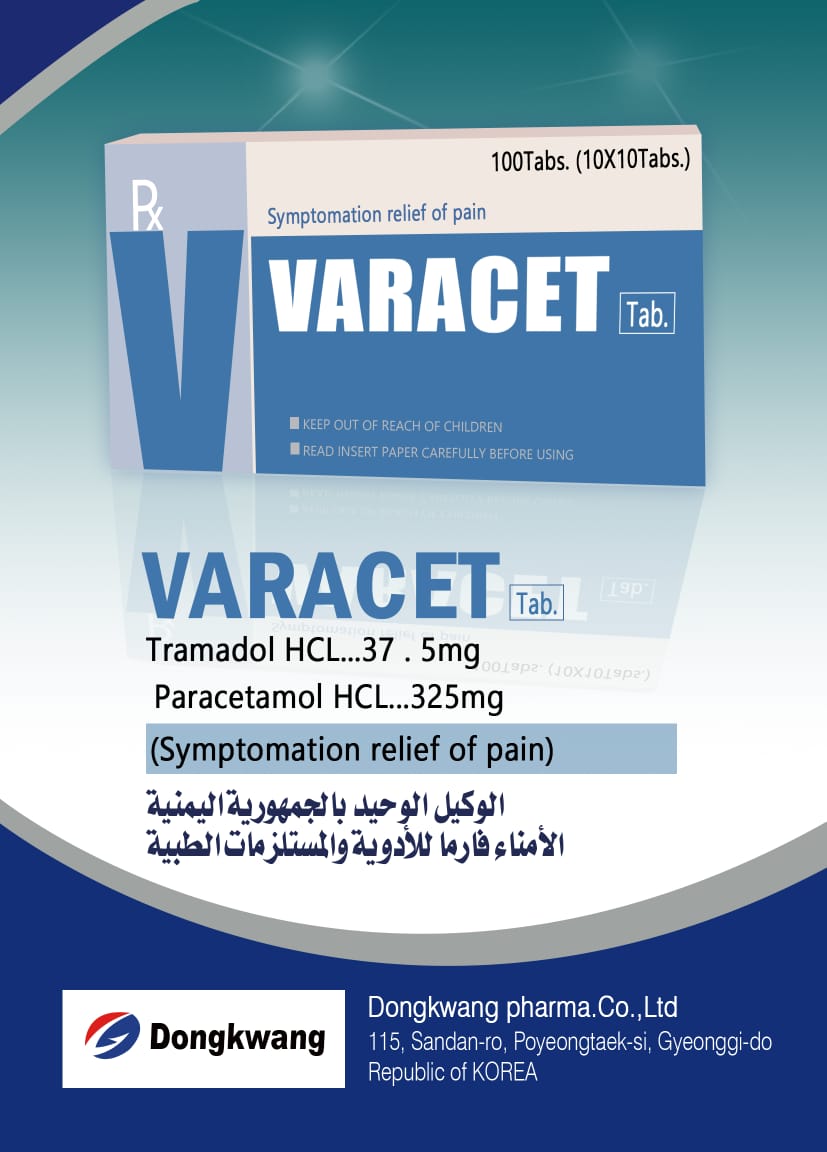
In the management of terminal delirium within a palliative care framework, clinical integration focuses on the judicious titration of symptom-modifying therapies and the exclusion of reversible underlying pathologies. While terminal delirium is often an irreversible feature of the dying process, clinicians must first utilize Cranial imaging (MRI/CT) and Renal function testing to rule out treatable metabolic or structural causes. When agitation or pain exacerbates the patient's distress, a Referral to Pain Management is essential to optimize pharmacological interventions. Depending on the patient's specific pain profile and route of administration, clinicians may transition to potent analgesics such as Morphine Sulfate / مورفين سلفات 10mg/ml, Fentanyl Patch / لصقة الفنتانيل 50mcg/hr, or Buprenorphine Transdermal Patch (Butrans) / لصقة بوبرينورفين عبر الجلد (بوترانس) 10mcg/hr. For milder discomfort or adjuvant support, options ranging from Paracetamol (Acetaminophen) IV Infusion / باراسيتامول (أسيتامينوفين) تسريب وريدي 1000 mg/100 mL to oral combinations like Zaldiar / زالديار 37.5mg/325mg or Tramadol / ترامادول 50 mg/mL may be considered, provided they do not contribute to further cognitive impairment. Throughout this process,
Treatment & Management Options
Recommended Medications