Clinical Assessment & Protocol
Typical Presentation (HPI)
EN: Heartburn, regurgitation, and retrosternal pain occurring months after sleeve gastrectomy. AR: حرقة المعدة، ارتجاع، وألم خلف القص يحدث بعد أشهر من تكميم المعدة.
General Examination
EN: Unremarkable or not routinely indicated. AR: طبيعي أو غير مطلوب روتينياً.
Treatment Protocol
EN: Laparoscopic hiatoplasty and restoration of the hiatus anatomy. AR: رأب الفوهة بالمنظار واستعادة تشريح الحجاب الحاجز.
Patient Education
EN: AR:
Systemic & Specialized Examinations
EN: S1, S2 present. No murmurs. AR: صوتا القلب الأول والثاني طبيعيان. لا توجد نفخات.
EN: Lungs clear to auscultation. AR: الرئتان صافيتان عند التسمع.
EN: Epigastric tenderness and positive findings on endoscopy or barium swallow. AR: ألم في الشرسوف ونتائج إيجابية في التنظير أو تصوير المريء بالباريوم.
EN: Alert, oriented x3. No focal deficits. AR: المريض واعي ومدرك. لا يوجد عجز عصبي بؤري.
EN: Unremarkable or not routinely indicated. AR: طبيعي أو غير مطلوب روتينياً.
EN: Unremarkable or not routinely indicated. AR: طبيعي أو غير مطلوب روتينياً.
EN: Unremarkable or not routinely indicated. AR: طبيعي أو غير مطلوب روتينياً.
EN: Unremarkable or not routinely indicated. AR: طبيعي أو غير مطلوب روتينياً.
EN: Unremarkable or not routinely indicated. AR: طبيعي أو غير مطلوب روتينياً.
Orthopedic & Trauma Assessments
EN: Unremarkable or not routinely indicated. AR: طبيعي أو غير مطلوب روتينياً.
EN: Unremarkable or not routinely indicated. AR: طبيعي أو غير مطلوب روتينياً.
Clinical Guide: Post-Sleeve Gastrectomy Hiatal Hernia Recurrence (PSGHHR)
1. Comprehensive Introduction & Overview
The laparoscopic sleeve gastrectomy (LSG) has emerged as the most frequently performed bariatric procedure globally due to its technical simplicity and favorable metabolic outcomes. However, the anatomical alteration of the stomach—specifically the creation of a narrow gastric sleeve and the disruption of the phrenoesophageal ligament—creates a unique environment for the development or recurrence of hiatal hernias (HH).
Post-Sleeve Gastrectomy Hiatal Hernia Recurrence (PSGHHR) refers to the upward displacement of the gastric sleeve through the esophageal hiatus into the thoracic cavity following a primary repair or as a de novo complication of the sleeve procedure itself. This condition is increasingly recognized as a primary driver of intractable gastroesophageal reflux disease (GERD) and "sleeve failure" (weight regain or insufficient weight loss).
As clinicians, we must distinguish between primary hiatal hernia (present during the index sleeve procedure) and recurrent/de novo hiatal hernia (developing post-operatively). Understanding the biomechanical shift of the gastric sleeve is paramount to successful surgical revision.
2. Deep-Dive: Pathophysiology and Etiology
The pathophysiology of PSGHHR is multifactorial, involving the disruption of the anti-reflux barrier and the altered morphology of the stomach.
The Mechanical Cascade
- Disruption of the Phrenoesophageal Ligament: During the mobilization of the greater curvature, the hiatus is often exposed. If the crural closure is not performed or if the sutures fail, the sleeve acts as a "piston" that migrates into the chest.
- Intragastric Pressure Dynamics: The sleeve gastrectomy reduces gastric compliance. With the pylorus intact, the high-pressure zone created by the narrow sleeve forces gastric contents upward, exerting chronic pressure on the crural repair.
- Shortening of the Esophagus: Chronic inflammation from pre-existing GERD can lead to esophageal fibrosis and shortening, pulling the gastroesophageal junction (GEJ) cephalad.
- Weight Loss and Fat Redistribution: Rapid weight loss leads to the loss of intra-abdominal fat (including the fat pad at the GEJ), which may destabilize the crural closure.
Etiological Factors
| Factor | Clinical Impact |
|---|---|
| Crural Anatomy | Congenitally wide hiatus or weak diaphragmatic crura. |
| Surgical Technique | Failure to perform routine crurorrhaphy during index LSG. |
| Intra-abdominal Pressure | Persistent obesity, chronic coughing, or heavy lifting. |
| Collagen Disorders | Connective tissue laxity (e.g., Ehlers-Danlos) impacting suture holding strength. |
3. Clinical Staging and Presentation
The Hill Classification (Applied to PSGHHR)
While the Hill classification is traditional for GEJ assessment, in the post-sleeve context, we categorize PSGHHR based on the Sleeve Migration Pattern:
* Type I (Sliding): The GEJ and a portion of the sleeve slide into the posterior mediastinum.
* Type II (Paraesophageal): The GEJ remains fixed, but a portion of the gastric fundus/sleeve herniates alongside the esophagus.
* Type III (Mixed): Combination of sliding and paraesophageal elements.
* Type IV (Complex): Intrathoracic migration of other abdominal viscera (colon, omentum) alongside the sleeve.
Standard Clinical Presentation
Patients typically present with a triad of symptoms, often referred to as the "Post-Sleeve Reflux Syndrome":
1. Refractory GERD: Persistent heartburn and acid regurgitation unresponsive to high-dose Proton Pump Inhibitors (PPIs).
2. Regurgitation: Post-prandial regurgitation of undigested food, often occurring at night (nocturnal aspiration).
3. Dysphagia: A sense of "food sticking" in the retrosternal area, often a sign of mechanical obstruction at the hiatus.
4. Non-Cardiac Chest Pain: Often mistaken for angina, caused by the compression of the mediastinal structures by the herniated sleeve.
4. Key Diagnostic Tests
A systematic diagnostic approach is essential to differentiate PSGHHR from other post-sleeve complications like stricture or torsion.
Essential Diagnostic Workup
- Upper Gastrointestinal (UGI) Series (Barium Swallow): The gold standard. Must be performed with the patient in the Trendelenburg position to observe dynamic migration of the sleeve.
- Esophagogastroduodenoscopy (EGD): Necessary to evaluate the health of the esophageal mucosa (Barrett’s esophagus, erosive esophagitis) and to confirm the location of the GEJ relative to the diaphragmatic hiatus.
- High-Resolution Manometry (HRM): Indicated to assess esophageal motility. If the sleeve is herniated, motility is often impaired.
- Computed Tomography (CT) Chest/Abdomen: Best for anatomical mapping, especially in complex cases where the sleeve has migrated significantly into the thoracic cavity.
- 24-hour pH/Impedance Monitoring: Used to objectively quantify acid exposure, especially if the patient is being considered for revisional surgery (Sleeve-to-Roux-en-Y Gastric Bypass).
5. Risks, Contraindications, and Management
Surgical Management (Revisional)
The standard of care for symptomatic PSGHHR is Laparoscopic Hiatal Hernia Repair (LHHR), often combined with a conversion to Roux-en-Y Gastric Bypass (RYGB) if the patient has severe reflux.
Risks of Revisional Intervention
- Vagus Nerve Injury: Increased risk due to dense adhesions from the primary procedure.
- Gastric Perforation: The sleeve wall is often thinned; dissection must be delicate.
- Mesh-related Complications: If a prosthetic mesh is used to reinforce the crural repair, there is a risk of erosion into the gastric sleeve.
- Recurrence: The recurrence rate for hiatal hernia repair in the bariatric population remains higher than in the general population due to the altered gastric anatomy.
6. Massive FAQ Section
Q1: Is a hiatal hernia common after a sleeve gastrectomy?
A: Yes, it is increasingly recognized. Estimates suggest that 15-30% of patients may develop a hiatal hernia post-sleeve, particularly if the hiatus was not assessed during the initial surgery.
Q2: Can a hiatal hernia cause weight regain?
A: Absolutely. A hiatal hernia can act as a "gastric reservoir" above the diaphragm, allowing more food to be consumed and bypassing the restrictive mechanism of the sleeve.
Q3: Does every hiatal hernia require surgery?
A: No. Asymptomatic hernias found incidentally on imaging do not require intervention. Only symptomatic cases (refractory GERD, pain, or anatomical obstruction) are surgical candidates.
Q4: Is PPI therapy enough to treat post-sleeve GERD?
A: PPIs manage symptoms but do not fix the anatomical defect. Over-reliance on PPIs can mask underlying erosive esophagitis.
Q5: What is the benefit of converting to a Bypass (RYGB)?
A: Converting to an RYGB is the gold standard for PSGHHR with severe GERD because it removes the high-pressure gastric reservoir and separates the biliary limb from the esophagus, effectively curing the reflux.
Q6: What is the recurrence rate of hernia repair after a sleeve?
A: Recurrence rates vary widely (10–30%) depending on the size of the defect and the use of reinforcement materials like biologic or synthetic mesh.
Q7: Can I exercise with a post-sleeve hiatal hernia?
A: Low-impact exercise is generally fine, but heavy lifting or exercises that increase intra-abdominal pressure (e.g., heavy Valsalva maneuvers) may worsen the herniation.
Q8: How is the crural repair different in a sleeve patient?
A: It is more challenging due to the presence of the sleeve. The sleeve must be fully "reduced" (pulled down) into the abdomen before the crura can be approximated behind the esophagus.
Q9: What are the warning signs that I need emergency care?
A: Sudden, severe chest/epigastric pain, vomiting blood, inability to swallow liquids, or shortness of breath could indicate a strangulated hernia or gastric volvulus.
Q10: Does smoking impact the success of repair?
A: Yes. Nicotine causes vasoconstriction and inhibits collagen synthesis, significantly increasing the risk of suture line failure and hernia recurrence.
7. Long-term Prognosis and Clinical Outlook
The long-term prognosis for patients treated for PSGHHR is generally favorable, provided the surgical intervention successfully restores the anatomy and addresses the underlying reflux. However, the "bariatric environment" is inherently hostile to tissue repair.
Best Practices for Long-Term Success:
1. Mandatory Crurorrhaphy: During the index sleeve, surgeons should have a low threshold to close the hiatus, even if the hernia is small.
2. Post-Op Surveillance: Patients with persistent reflux post-sleeve should undergo a Barium Swallow within 6 months to rule out early migration.
3. Lifestyle Modification: Weight management, avoidance of carbonated beverages, and smoking cessation remain the pillars of preventing recurrence.
Clinical Summary Table
| Feature | Recommendation |
|---|---|
| First-line Imaging | Barium Swallow (Trendelenburg) |
| First-line Medical | PPIs + Lifestyle modification |
| Surgical Gold Standard | Laparoscopic Crurorrhaphy +/- RYGB conversion |
| Follow-up | Annual EGD if Barrett’s esophagus is present |
This guide serves as a clinical framework for the management of PSGHHR. Given the complexity of this diagnosis, a multidisciplinary approach involving bariatric surgeons, gastroenterologists, and specialized dietitians is essential to optimize patient outcomes.
Disclaimer: This document is for educational purposes for healthcare professionals and does not constitute individual medical advice. Clinical decisions should be based on patient-specific factors and institutional protocols.
Related Clinical Integration
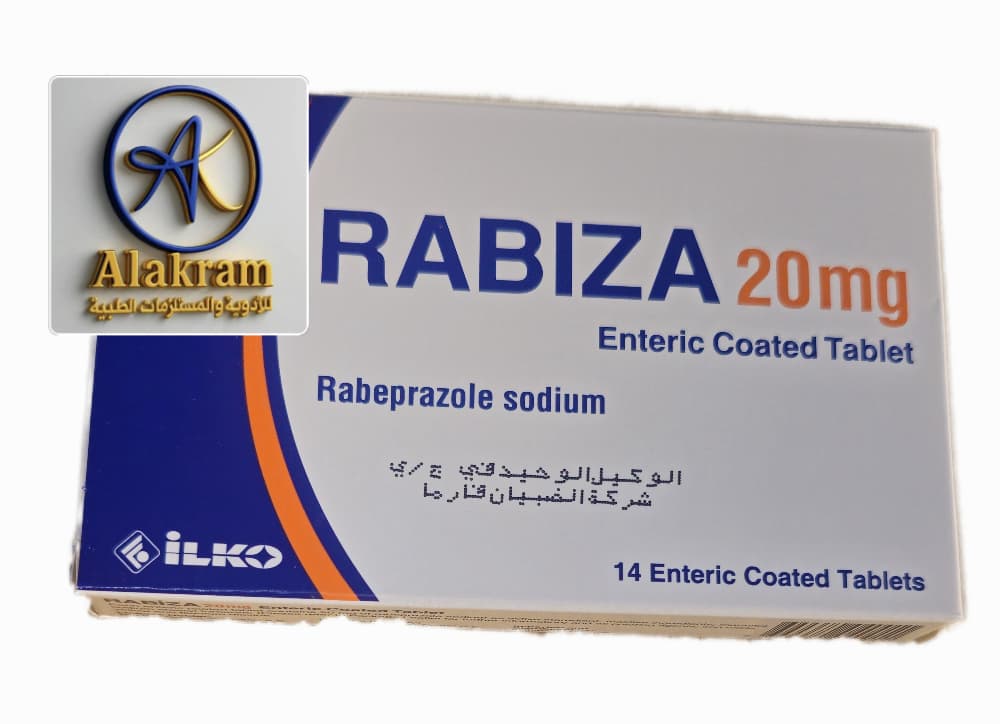
In the management of post-sleeve gastrectomy hiatal hernia recurrence, a multidisciplinary approach is essential to address both symptomatic relief and definitive surgical correction. Initial clinical stabilization often involves the use of proton pump inhibitors, such as Dexlansoprazole / ديكسلانسوبرازول 60mg, Esomac 40 / إيسوماك 40 40mg, Esomeprazole / إيزوميبرازول 40mg, Lansoprazole / لانسوبرازول 30mg, Omeprazole / أوميبرازول 20mg, Pantoprazole / بانتوبرازول 40mg, Rabeprazole / رابيبيرازول 20mg, or Rabiza 20mg tablet / رابيزا 20 ملغ أقراص 20mg to manage acid reflux and esophageal mucosal inflammation. When medical therapy is insufficient, surgical intervention becomes necessary, typically involving Laparoscopic Hiatal Hernia Repair (Cruroplasty) / إصلاح الفتق الحجابي بالمنظار (رأب الساقين) (عملية كبرى في غرف العمليات) or, in more complex presentations,