Clinical Assessment & Protocol
Typical Presentation (HPI)
EN: 75-year-old with diabetes reports numbness and 'pins and needles' in feet. AR: مريض يبلغ من العمر 75 عامًا مصاب بالسكري يشتكي من تنميل ووخز في القدمين.
General Examination
EN: Glove-and-stocking sensory loss and diminished ankle reflexes. AR: فقدان الحس في منطقة القفازات والجوارب وضعف منعكسات الكاحل.
Treatment Protocol
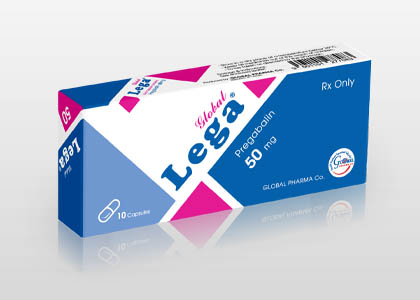
EN: Glycemic control and neuropathic pain medication (e.g., pregabalin). AR: التحكم في سكر الدم وأدوية ألم الأعصاب (مثل بريجابالين).
Patient Education
EN: Daily foot inspection for unnoticed injuries. AR: فحص القدمين يوميًا بحثًا عن إصابات غير ملحوظة.
Systemic & Specialized Examinations
EN: S1, S2 present. No murmurs. AR: صوتا القلب الأول والثاني طبيعيان. لا توجد نفخات.
EN: Lungs clear to auscultation. AR: الرئتان صافيتان عند التسمع.
EN: Abdomen soft, non-tender. AR: البطن لين ولا يوجد ألم.
EN: Alert, oriented x3. No focal deficits. AR: المريض واعي ومدرك. لا يوجد عجز عصبي بؤري.
EN: Unremarkable or not routinely indicated. AR: طبيعي أو غير مطلوب روتينياً.
EN: Unremarkable or not routinely indicated. AR: طبيعي أو غير مطلوب روتينياً.
EN: Unremarkable or not routinely indicated. AR: طبيعي أو غير مطلوب روتينياً.
EN: Unremarkable or not routinely indicated. AR: طبيعي أو غير مطلوب روتينياً.
EN: Unremarkable or not routinely indicated. AR: طبيعي أو غير مطلوب روتينياً.
1. Comprehensive Introduction & Overview
Peripheral Neuropathy (PN) represents a heterogeneous group of disorders resulting from damage to the peripheral nervous system (PNS). Unlike the central nervous system (CNS), which encompasses the brain and spinal cord, the peripheral nervous system serves as the intricate relay network connecting the CNS to the limbs, organs, and skin. When these nerves are compromised—whether through metabolic derangement, toxic exposure, mechanical trauma, or autoimmune processes—the resultant dysfunction manifests as a spectrum of sensory, motor, and autonomic deficits.
Clinically, peripheral neuropathy is not a single disease entity but a clinical manifestation of underlying pathology. The global prevalence is estimated to affect up to 2.4% of the general population, rising to nearly 8% in individuals over age 55. In the context of clinical practice, understanding the distinction between mononeuropathy (damage to a single nerve), mononeuritis multiplex (damage to multiple individual nerves), and polyneuropathy (widespread, symmetric nerve damage) is paramount for effective diagnostic workup and management.
2. Deep-Dive: Etiology and Pathophysiology
The pathophysiology of peripheral neuropathy is fundamentally rooted in the disruption of axonal transport, myelin sheath integrity, or the neuronal cell body itself.
Etiological Classification
The causes of PN are vast and are often categorized by the acronym "DAMN-IT":
* Diabetic/Metabolic (The most common cause globally)
* Autoimmune (Guillain-Barré Syndrome, CIDP, vasculitis)
* Medications/Toxins (Chemotherapy, alcohol, heavy metals)
* Nutritional (B12, B1, B6 deficiencies)
* Infectious (Lyme disease, HIV, Leprosy)
* Traumatic/Tumor (Compression, nerve sheath tumors)
Mechanisms of Injury
- Axonal Degeneration (Dying-Back Neuropathy): The most common mechanism in metabolic neuropathies. The metabolic demand is highest at the distal axon, leading to a "length-dependent" pattern where the longest nerves (feet) are affected first.
- Demyelination: Damage to the Schwann cells or the myelin sheath itself, which often results in slowed nerve conduction velocities (NCV). This is classic in autoimmune conditions like Chronic Inflammatory Demyelinating Polyradiculoneuropathy (CIDP).
- Vasa Nervorum Insufficiency: Ischemic damage to the nerves caused by inflammation or occlusion of the small blood vessels supplying the nerve fibers.
3. Extensive Clinical Indications & Usage
Standard Presentation
The clinical hallmark of polyneuropathy is the "stocking-glove" distribution of symptoms. Patients typically report:
* Sensory: Paresthesia (tingling/prickling), hyperalgesia (increased pain sensitivity), and allodynia (pain from non-painful stimuli).
* Motor: Distal muscle weakness, fasciculations, cramping, and diminished deep tendon reflexes (specifically the Achilles reflex).
* Autonomic: Orthostatic hypotension, gastroparesis, anhidrosis (lack of sweating), and sexual dysfunction.
Clinical Staging/Grading
Clinicians often utilize the Toronto Clinical Neuropathy Score (TCNS) to quantify severity:
| Grade | Clinical Assessment |
|---|---|
| 0 (Normal) | No symptoms or signs; normal reflexes. |
| 1 (Mild) | Sensory loss to pinprick/vibration distal to ankles. |
| 2 (Moderate) | Sensory loss extending to mid-calf; reflex loss at ankle. |
| 3 (Severe) | Sensory loss to mid-thigh; atrophy of intrinsic foot muscles. |
4. Differential Diagnosis and Diagnostic Testing
Distinguishing peripheral neuropathy from radiculopathy (nerve root compression) or CNS disorders (Multiple Sclerosis) is critical.
Key Diagnostic Tests
- Electromyography (EMG) and Nerve Conduction Velocity (NCV): The gold standard for differentiating between axonal and demyelinating processes.
- Laboratory Panel:
- HbA1c (Diabetes screening)
- Serum B12/Methylmalonic Acid (Nutritional)
- TSH (Hypothyroidism)
- SPEP/UPEP (Monoclonal gammopathy)
- ANA/ANCA (Vasculitis screening)
- Skin Biopsy: Used to quantify Intraepidermal Nerve Fiber Density (IENFD), which is highly sensitive for small-fiber neuropathy.
Differential Table
| Condition | Primary Feature | Diagnostic Clue |
|---|---|---|
| Lumbar Radiculopathy | Unilateral, dermatomal pain | Positive Straight Leg Raise |
| Peripheral Neuropathy | Bilateral, symmetric | Stocking-glove distribution |
| Multiple Sclerosis | CNS signs (spasticity, vision loss) | MRI brain/spine lesions |
| Myasthenia Gravis | Fluctuating muscle weakness | Ptosis/Diplopia; normal sensation |
5. Risks, Side Effects, and Contraindications
Management Risks
- Pharmacological: Many first-line treatments for neuropathic pain (Gabapentinoids, Tricyclic Antidepressants) carry risks of sedation, dizziness, and cognitive impairment in elderly populations.
- Surgical: In cases of focal entrapment (e.g., Carpal Tunnel), surgical release carries risks of infection, scarring, or incomplete symptom resolution.
- Complications of Untreated PN: High risk of "silent" foot ulcers leading to amputation, falls due to balance impairment, and cardiovascular instability due to autonomic involvement.
Contraindications for Certain Interventions
- NSAIDs: Generally ineffective for neuropathic pain and contraindicated in patients with renal failure or cardiovascular history.
- Opioids: Generally contraindicated as first-line therapy due to high abuse potential and lack of long-term efficacy in chronic non-cancer neuropathic pain.
6. Long-Term Prognosis
Prognosis is highly variable based on the etiology.
* Reversible Causes: Neuropathies resulting from B12 deficiency or alcohol toxicity may show significant improvement with cessation of the causative agent and proper supplementation.
* Chronic/Progressive: Diabetic peripheral neuropathy is largely irreversible, but progression can be significantly slowed through strict glycemic control, lipid management, and neuroprotective lifestyle modifications.
* Autoimmune: Conditions like CIDP often respond to IVIG or plasmapheresis, but may require lifelong maintenance therapy.
7. Frequently Asked Questions (FAQ)
1. Is peripheral neuropathy curable?
It depends on the cause. If the cause is a reversible metabolic deficiency or toxic exposure, symptoms can improve. If it is a chronic condition like diabetes, the focus is on symptom management and slowing progression.
2. Can peripheral neuropathy cause paralysis?
Severe cases, particularly those involving motor nerves (like Guillain-Barré), can cause significant weakness, but full paralysis is less common in standard metabolic polyneuropathy.
3. What is the difference between small-fiber and large-fiber neuropathy?
Small-fiber neuropathy affects pain and temperature sensation and is often "normal" on standard EMG/NCV tests. Large-fiber neuropathy affects vibration, position sense, and motor function, which are easily detected by EMG.
4. Does exercise help with peripheral neuropathy?
Yes. Moderate aerobic exercise and balance training can improve nerve blood flow and prevent atrophy, though patients must be monitored to ensure they do not injure insensate feet.
5. Why do my symptoms get worse at night?
This is a common clinical phenomenon. Without external stimuli to distract the brain, the awareness of abnormal sensory signals (paresthesia) is amplified at night.
6. Are there natural supplements that help?
Alpha-lipoic acid and Vitamin B-complex (specifically B12 and B1) have shown some efficacy in clinical trials for diabetic neuropathy, but they should be used under medical supervision.
7. How often should I have my feet checked?
Patients with diabetic neuropathy should perform daily self-inspections and have a formal podiatric evaluation at least annually.
8. Is peripheral neuropathy hereditary?
Some forms, such as Charcot-Marie-Tooth (CMT) disease, are genetic. If there is a strong family history, a neurology referral for genetic testing is recommended.
9. Can antidepressants help with nerve pain?
Yes. Tricyclic antidepressants (e.g., Amitriptyline) and SNRIs (e.g., Duloxetine) modulate the descending pain pathways in the spinal cord, making them highly effective for neuropathic pain.
10. What is the most common cause of peripheral neuropathy?
Diabetes Mellitus is the single most common cause of peripheral neuropathy in developed nations, accounting for nearly 50% of all cases.
Disclaimer: This guide is intended for educational purposes and provides a high-level clinical overview. It does not replace professional medical advice, diagnosis, or treatment. Always consult with a qualified neurologist or orthopedic specialist regarding individual neurological symptoms.
Related Clinical Integration
In a modern clinical setting, the management of peripheral neuropathy requires a multidisciplinary approach that integrates diagnostic precision with targeted therapeutic intervention. To accurately assess nerve damage and functional impairment, clinicians often utilize Electromyography (EMG) / تخطيط كهربية العضلات (EMG) (فحص بالمنظار أو أخذ عينات) or initiate an EMG/Nerve Conduction Study (NCS) Referral / إحالة لتخطيط كهربائية العضلات/دراسة توصيل العصب (فحص بالمنظار أو أخذ عينات) to quantify sensory and motor deficits. Symptomatic relief is frequently addressed through pharmacological stabilization using Gabantin / غابانتين 400mg or Lega / ليغا 50 mg, which are essential for managing neuropathic pain. Given that diabetes is a primary driver of peripheral neuropathy, clinicians should also reference specialized resources regarding Risk Factors and Pathophysiology of Diabetic Foot Complications: A Comprehensive Orthopedic Masterclass, Comprehensive Management of the Diabetic Foot: Ulcers, Infections, and Surgical Interventions, Diabetic Foot Screening & Protective Sensation MCQs, and Diabetic Foot & Charcot Arthropathy MCQs | Ortho Board Review to ensure comprehensive patient monitoring and the prevention of long-term complications.