Clinical Assessment & Protocol
Typical Presentation (HPI)
EN: Patient reports difficulty swallowing, speaking, and altered taste sensations. AR: مريض يبلغ عن صعوبة في البلع، التحدث، وتغير في حاسة التذوق.
General Examination
EN: Dry, fissured oral mucosa; sticky saliva; potential for secondary candidiasis. AR: غشاء مخاطي فموي جاف ومتشقق؛ لعاب لزج؛ احتمال حدوث داء المبيضات الثانوي.
Treatment Protocol
EN: Saliva substitutes, frequent sips of water, and cholinergic agonists if appropriate. AR: بدائل اللعاب، رشفات متكررة من الماء، ومنبهات كولينية إذا كانت مناسبة.
Patient Education
EN: Advise on meticulous oral hygiene and avoiding irritants like tobacco or alcohol. AR: النصح بالعناية الدقيقة بنظافة الفم وتجنب المهيجات مثل التبغ أو الكحول.
Systemic & Specialized Examinations
EN: S1, S2 present. No murmurs. AR: صوتا القلب الأول والثاني طبيعيان. لا توجد نفخات.
EN: Lungs clear to auscultation. AR: الرئتان صافيتان عند التسمع.
EN: Abdomen soft, non-tender. AR: البطن لين ولا يوجد ألم.
EN: Alert, oriented x3. No focal deficits. AR: المريض واعي ومدرك. لا يوجد عجز عصبي بؤري.
EN: Unremarkable or not routinely indicated. AR: طبيعي أو غير مطلوب روتينياً.
EN: Unremarkable or not routinely indicated. AR: طبيعي أو غير مطلوب روتينياً.
EN: Unremarkable or not routinely indicated. AR: طبيعي أو غير مطلوب روتينياً.
EN: Unremarkable or not routinely indicated. AR: طبيعي أو غير مطلوب روتينياً.
EN: Unremarkable or not routinely indicated. AR: طبيعي أو غير مطلوب روتينياً.
Orthopedic & Trauma Assessments
EN: Unremarkable or not routinely indicated. AR: طبيعي أو غير مطلوب روتينياً.
EN: Unremarkable or not routinely indicated. AR: طبيعي أو غير مطلوب روتينياً.
1. Comprehensive Introduction & Overview
Palliative management of cancer-related xerostomia (CRX) represents a critical intersection of oncology, supportive care, and oral medicine. Xerostomia, clinically defined as the subjective sensation of oral dryness, is a prevalent and debilitating complication in cancer patients, particularly those undergoing head and neck radiation therapy (HnRT), chemotherapy, or systemic immunotherapy.
Unlike transient dry mouth, cancer-related xerostomia is often chronic, progressive, and multifactorial. It stems from the irreversible destruction of salivary gland parenchyma, alteration of salivary biochemical composition, or neuro-hormonal interference. The condition transcends mere discomfort; it significantly impairs oral function, including mastication, deglutition (swallowing), gustation (taste), and speech. Furthermore, the loss of the protective, buffering, and antimicrobial properties of saliva predisposes patients to severe oral morbidity, including rampant dental caries, candidiasis, and mucosal ulcerations, which can necessitate treatment breaks and compromise oncological outcomes.
This guide provides a comprehensive clinical framework for the assessment, diagnosis, and palliative management of CRX, emphasizing evidence-based interventions to improve the quality of life (QoL) in the oncological population.
2. Technical Specifications and Mechanisms
Etiology and Pathophysiology
The pathophysiology of CRX is primarily driven by the radiation-induced atrophy of the serous acini of the major salivary glands (parotid, submandibular, and sublingual).
- Radiation Effects: Ionizing radiation induces direct cellular damage to acinar cells, triggering apoptosis and subsequent fibrosis of the glandular stroma. The parotid glands, being primarily serous, are most susceptible to radiation-induced hypofunction.
- Chemotherapy/Immunotherapy: Agents such as alkylating agents, antimetabolites, and immune checkpoint inhibitors (ICIs) can cause transient or, in some cases, permanent hyposalivation through direct cytotoxicity to glandular tissue or by inducing systemic dehydration and electrolyte imbalances.
- Neuro-hormonal Pathways: Medications frequently used in cancer care (opioids, antidepressants, antiemetics, and anticholinergics) interfere with the parasympathetic stimulation of salivary glands, exacerbating glandular hypofunction.
The Role of Saliva
Saliva is not merely water; it is a complex biological fluid rich in electrolytes, mucins, enzymes (amylase), and antimicrobial proteins (IgA, lysozyme, lactoferrin). The loss of these components leads to:
1. Reduced Lubrication: Increased mechanical friction during bolus formation.
2. Loss of Buffering Capacity: A drop in salivary pH (bicarbonate depletion) leads to rapid demineralization of enamel.
3. Microbial Imbalance: Shift toward acidogenic and cariogenic flora (e.g., Streptococcus mutans, Candida albicans).
3. Clinical Staging and Grading
To standardize clinical management, clinicians utilize the Common Terminology Criteria for Adverse Events (CTCAE) to grade xerostomia.
| Grade | Clinical Description |
|---|---|
| Grade 1 | Symptomatic (e.g., dry mouth, change in taste) but able to eat normally. |
| Grade 2 | Moderate symptoms; oral intake alterations; requires dietary changes (e.g., soft diet). |
| Grade 3 | Severe symptoms; inability to eat or drink; requires nutritional support (e.g., enteral feeding). |
| Grade 4 | Life-threatening consequences; urgent intervention required. |
4. Clinical Indications and Diagnostic Framework
Standard Presentation
Patients typically report a "cotton-mouth" sensation, difficulty swallowing dry foods, the need for frequent water intake, and burning mouth sensations. Clinical assessment often reveals a lack of the "pooling" of saliva in the floor of the mouth, pale or erythematous mucosa, and "sticky" saliva.
Key Diagnostic Tests
- Sialometry (Flow Rate Measurement):
- Unstimulated Whole Salivary Flow (UWSF): Normal > 0.1–0.2 mL/min. Hypofunction is defined as < 0.1 mL/min.
- Stimulated Whole Salivary Flow (SWSF): Normal > 0.7 mL/min. Hypofunction is defined as < 0.7 mL/min.
- Xerostomia Inventory (XI): A patient-reported outcome measure (PROM) to quantify the severity of the subjective sensation.
- Clinical Oral Exam: Assessment of mucosal integrity, signs of candidiasis (pseudomembranous or erythematous), and the presence of cervical caries.
- Sialography/Scintigraphy: Used in rare cases to assess residual glandular function if surgical intervention is planned.
Differential Diagnosis
- Sjögren’s Syndrome: Often presents with keratoconjunctivitis sicca (dry eyes) and joint pain.
- Medication-induced Dry Mouth: Review of the patient’s full medication profile.
- Dehydration/Electrolyte Imbalance: Common in patients with persistent nausea/vomiting.
- Mouth Breathing: Secondary to nasal obstruction or anatomical deviation.
5. Palliative Management Strategies
Management is tiered based on the severity of the gland destruction and the patient’s remaining functional capacity.
Topical and Pharmacological Interventions
- Saliva Substitutes (Saliva Substitutes): Carboxymethylcellulose or mucin-based gels/sprays. These provide temporary lubrication but lack the protective proteins of natural saliva.
- Sialogogues: Pilocarpine hydrochloride or Cevimeline. These are cholinergic agonists that stimulate residual functional acinar cells.
- Contraindications: Asthma, angle-closure glaucoma, and severe cardiac disease.
- Topical Fluoride Therapy: High-concentration fluoride (e.g., 5000 ppm) trays are mandatory to prevent radiation-induced caries.
Supportive Lifestyle Modifications
- Hydration: Frequent sips of water.
- Lubrication: Use of oil-based lip balms or oral lubricants.
- Avoidance: Discontinuation of alcohol-based mouthwashes and tobacco products.
- Dietary Adjustment: Avoiding dry, spicy, or acidic foods that exacerbate mucosal sensitivity.
6. Risks, Side Effects, and Contraindications
While palliative management is generally safe, clinicians must be aware of potential complications:
- Pharmacological Side Effects of Sialogogues: Excessive sweating (diaphoresis), urinary urgency, bradycardia, and flushing.
- Aspiration Risk: In patients with severe dysphagia, over-lubrication or improper use of mouth rinses may increase the risk of aspiration pneumonia.
- Contraindications for Cholinergic Agonists:
- Uncontrolled asthma or COPD (bronchoconstriction risk).
- Narrow-angle glaucoma.
- History of myocardial infarction within the last 6 months.
7. Prognosis and Long-Term Management
The prognosis for recovery of salivary function depends on the radiation dose to the salivary glands. A mean dose of > 26 Gy to the parotid gland typically results in permanent damage. For patients with permanent hyposalivation, the focus shifts to long-term maintenance:
- Quarterly Dental Reviews: Essential for the early detection of rampant caries.
- Oral Hygiene Maintenance: Use of non-abrasive, low-foaming toothpaste.
- Monitoring for Malignancy: Xerostomia can sometimes mask or complicate the presentation of oral squamous cell carcinoma (OSCC) recurrence.
8. Frequently Asked Questions (FAQ)
1. Is xerostomia always permanent after radiation therapy?
Not always. If the dose to the glands is kept below certain thresholds (e.g., via IMRT/VMAT planning), some degree of function may be preserved or recover over 12–24 months.
2. Can I use over-the-counter mouthwashes for xerostomia?
Most OTC mouthwashes contain alcohol, which is drying. Patients should use alcohol-free, pH-neutral, or lubricating mouth rinses.
3. How effective is Pilocarpine for cancer patients?
Pilocarpine is effective in patients with residual glandular function. It is ineffective in patients whose glands have been completely ablated by high-dose radiation.
4. Why is fluoride so important for these patients?
Without saliva, the teeth lose their natural remineralization process. Radiation-induced caries can destroy a tooth in as little as 3–6 months. High-dose fluoride is the primary defense.
5. Can acupuncture help with xerostomia?
Some clinical trials suggest acupuncture may improve subjective dryness scores, though the mechanism is likely neuro-modulatory rather than glandular regeneration.
6. Should I use artificial saliva or stimulants?
Use stimulants (e.g., sugar-free gum, sialogogues) if you have residual function; use artificial saliva/lubricants if the glands have zero function.
7. Does xerostomia increase the risk of infection?
Yes. The lack of salivary IgA and lactoferrin significantly increases the risk of Candida albicans (oral thrush) and bacterial infections.
8. How do I differentiate between dry mouth and dehydration?
Dehydration is usually systemic (skin turgor, urine output, blood urea nitrogen levels). Xerostomia specifically targets the oral cavity.
9. Can I use lemon drops to stimulate saliva?
Avoid acidic stimulants like lemon or citrus, as they can cause rapid enamel erosion in the absence of protective, buffer-rich saliva.
10. What is the role of oral hygiene in palliative xerostomia care?
Oral hygiene is the cornerstone of prevention. Brushing with high-fluoride toothpaste and flossing is required to prevent the devastating dental complications associated with dry mouth.
9. Conclusion
Palliative management of cancer-related xerostomia requires a multidimensional approach. By combining rigorous oral hygiene protocols, appropriate use of sialogogues, and patient education on lifestyle modifications, clinicians can mitigate the severe morbidity associated with salivary hypofunction. Early intervention is paramount to maintaining the patient's nutritional status, comfort, and overall dignity during and after oncological treatment. As oncology transitions toward more targeted therapies, the role of the supportive care specialist in managing these chronic side effects remains a cornerstone of comprehensive cancer care.
Related Clinical Integration
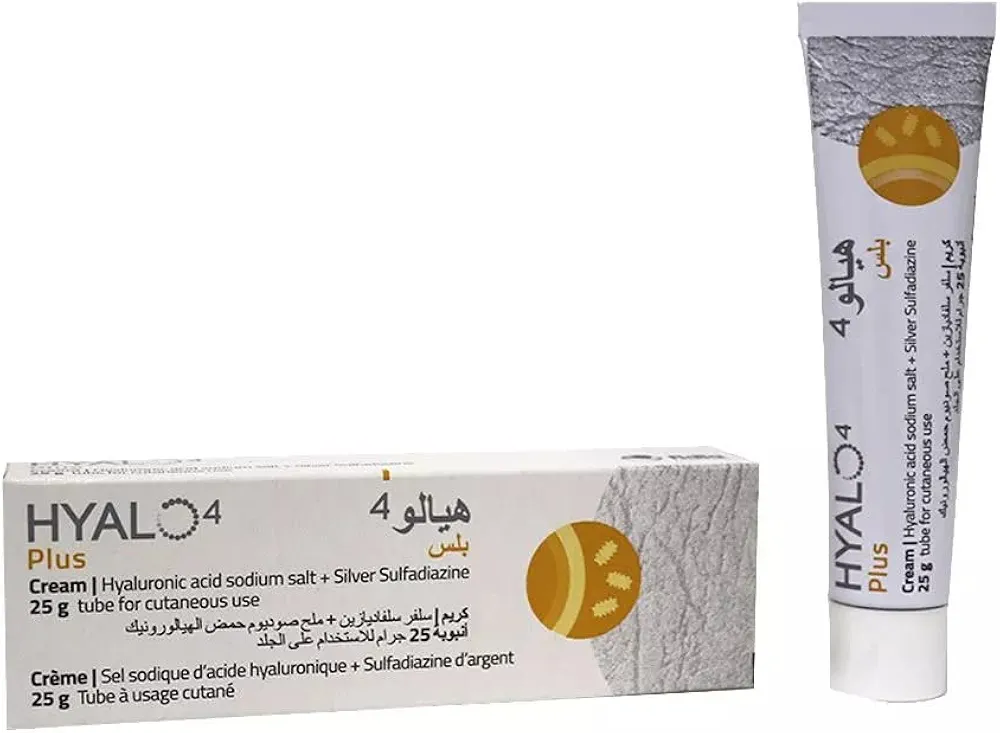
In the palliative management of cancer-related xerostomia, a multidisciplinary approach is essential to mitigate mucosal discomfort and improve patient quality of life. Clinicians should integrate Patient Education (Condition Specific) / تثقيف المريض (خاص بالحالة) (خدمات رعاية عامة) to ensure patients understand the importance of oral hygiene and hydration, which serves as the foundation for symptom control. For patients experiencing secondary mucosal breakdown or localized inflammation, the application of Hyalo4 plus cream / هيالو 4 بلس كريم 0.2% / 1% can facilitate tissue repair, while Capsaicin Cream / كريم الكابسيسين 0.025% may be considered in specific clinical scenarios to address neuropathic pain components associated with oral mucositis. By systematically linking these therapeutic interventions and educational resources, the hospital ensures a cohesive, evidence-based pathway that addresses both the physiological and symptomatic burdens of xerostomia in oncology patients.