Clinical Assessment & Protocol
Typical Presentation (HPI)
EN: History of bisphosphonate or RANK-L inhibitor therapy following dental extraction. AR: تاريخ من العلاج بالبيسفوسفونات أو مثبطات RANK-L بعد قلع سن.
General Examination
EN: Unremarkable or not routinely indicated. AR: طبيعي أو غير مطلوب روتينياً.
Treatment Protocol
EN: Conservative debridement, antibiotics, and antimicrobial mouth rinses; avoid aggressive surgery. AR: التنظيف الجراحي المحافظ، والمضادات الحيوية، والمضمضات المضادة للميكروبات؛ تجنب الجراحة العدوانية.
Patient Education
EN: Optimize oral health before initiating antiresorptive therapy. AR: تحسين صحة الفم قبل البدء بالعلاج المضاد لارتشاف العظم.
Systemic & Specialized Examinations
EN: S1, S2 present. No murmurs. AR: صوتا القلب الأول والثاني طبيعيان. لا توجد نفخات.
EN: Lungs clear to auscultation. AR: الرئتان صافيتان عند التسمع.
EN: Abdomen soft, non-tender. AR: البطن لين ولا يوجد ألم.
EN: Alert, oriented x3. No focal deficits. AR: المريض واعي ومدرك. لا يوجد عجز عصبي بؤري.
EN: Unremarkable or not routinely indicated. AR: طبيعي أو غير مطلوب روتينياً.
EN: Unremarkable or not routinely indicated. AR: طبيعي أو غير مطلوب روتينياً.
EN: Unremarkable or not routinely indicated. AR: طبيعي أو غير مطلوب روتينياً.
EN: Unremarkable or not routinely indicated. AR: طبيعي أو غير مطلوب روتينياً.
EN: Exposed, necrotic bone with surrounding inflammation or secondary infection. AR: عظم مكشوف ومتنخر مع التهاب محيط أو عدوى ثانوية.
Orthopedic & Trauma Assessments
EN: Unremarkable or not routinely indicated. AR: طبيعي أو غير مطلوب روتينياً.
EN: Unremarkable or not routinely indicated. AR: طبيعي أو غير مطلوب روتينياً.
Comprehensive Clinical Guide: Medication-Related Osteonecrosis of the Jaw (MRONJ)
1. Introduction and Overview
Medication-Related Osteonecrosis of the Jaw (MRONJ) represents a significant and potentially debilitating clinical condition characterized by the progressive destruction of bone in the maxillofacial region. Clinically, it is defined as the presence of exposed bone or bone that can be probed through an intraoral or extraoral fistula in the maxillofacial region that does not heal within eight weeks in patients who are receiving or have been exposed to antiresorptive or antiangiogenic drugs, and have not had radiation therapy to the craniofacial region.
The emergence of MRONJ has paralleled the widespread adoption of bisphosphonates and other potent antiresorptive agents used in the management of skeletal-related events (SREs) in cancer patients, as well as the management of osteoporosis. As an orthopedic and clinical specialist, it is imperative to understand that this is not merely a dental issue; it is a systemic metabolic bone disease localized to the jaw, requiring a multidisciplinary approach involving oncologists, oral and maxillofacial surgeons, endocrinologists, and general dental practitioners.
2. Deep-Dive: Etiology and Pathophysiology
The pathophysiology of MRONJ is complex and multifactorial. While the exact mechanism remains under investigation, the prevailing consensus centers on the disruption of normal bone remodeling cycles.
The Mechanisms of Action
- Antiresorptive Agents (Bisphosphonates & Denosumab): These drugs inhibit osteoclast function. Bisphosphonates are internalized by osteoclasts, leading to apoptosis, while Denosumab (a RANK-ligand inhibitor) prevents osteoclast maturation. Because the jaw undergoes higher rates of bone turnover compared to long bones—due to the mechanical stress of mastication and the constant micro-trauma from periodontal pathogens—the inhibition of osteoclasts prevents the necessary "cleanup" of micro-fractures.
- Antiangiogenic Agents: Drugs like Bevacizumab inhibit the formation of new blood vessels. Since adequate vascularity is essential for bone healing, the suppression of angiogenesis leads to bone ischemia and necrosis.
- Microbial Synergy: The oral cavity is a unique environment colonized by a high density of bacteria. Once the mucosal barrier is breached (e.g., via tooth extraction), the underlying bone, already compromised by drug therapy, cannot heal, leading to secondary infection, inflammation, and further necrosis.
Table 1: Primary Classes of Agents Associated with MRONJ
| Drug Class | Examples | Clinical Mechanism |
|---|---|---|
| Nitrogenous Bisphosphonates | Zoledronic acid, Alendronate | Osteoclast apoptosis |
| RANK-L Inhibitors | Denosumab | Inhibition of osteoclast maturation |
| Antiangiogenic Agents | Bevacizumab, Sunitinib | Inhibition of VEGF (Vascular healing) |
| Tyrosine Kinase Inhibitors | Imatinib, Dasatinib | Disruption of cellular signaling |
3. Clinical Staging and Grading
The American Association of Oral and Maxillofacial Surgeons (AAOMS) provides the gold-standard staging system for MRONJ. Proper staging is critical for determining whether surgical intervention or conservative management is appropriate.
- At-Risk Category: Patients treated with antiresorptive or antiangiogenic agents with no evidence of necrotic bone.
- Stage 0: No clinical evidence of necrotic bone, but presents with non-specific clinical findings, radiographic changes, or symptoms (e.g., unexplained odontalgia, sinus pain, loose teeth).
- Stage 1: Exposed and necrotic bone, or fistulae that probes to bone, in patients who are asymptomatic and have no evidence of infection.
- Stage 2: Exposed and necrotic bone, or fistulae that probes to bone, associated with infection as evidenced by pain and erythema in the region of the exposed bone with or without purulent drainage.
- Stage 3: Exposed and necrotic bone or fistula that probes to bone in patients with pain, infection, and one or more of the following: exposed bone extending beyond the region of the alveolar bone, pathologic fracture, extraoral fistula, or osteolysis extending to the inferior border of the mandible.
4. Clinical Presentation and Diagnostic Procedures
Standard Presentation
Patients typically present with persistent pain, soft tissue swelling, suppuration, or localized mucosal ulceration. In many cases, the patient may complain of a "rough surface" in the mouth or teeth that have become mobile without evidence of periodontal disease.
Key Diagnostic Tests
- Clinical Examination: The primary diagnostic tool. Periodontal probing and inspection of the mucosal integrity are essential.
- Orthopantomogram (OPG): Useful for initial screening to identify sclerotic areas, persistence of extraction sockets, or inferior alveolar canal involvement.
- Cone-Beam Computed Tomography (CBCT): The gold standard for assessing the extent of bone involvement, cortical integrity, and the presence of sequestra (detached necrotic bone fragments).
- Histopathology: While usually not required for diagnosis, it is indicated if there is suspicion of metastatic disease to the jaw, which can mimic MRONJ.
Differential Diagnosis
It is crucial to rule out other pathologies that present with similar radiographic and clinical features:
* Osteoradionecrosis (ORN) - requires history of radiation.
* Metastatic malignancy to the jaw.
* Chronic sclerosing osteomyelitis.
* Severe periodontitis.
* Primary bone tumors.
5. Risks, Side Effects, and Contraindications
The risk of developing MRONJ is cumulative. The longer the duration of bisphosphonate exposure, the higher the risk.
- Risk Factors:
- Drug-related: Potency of the agent (e.g., IV Zoledronate is higher risk than oral Alendronate).
- Local factors: Dentomaxillofacial surgery (extractions, implants), poor oral hygiene, ill-fitting dentures.
- Systemic factors: Corticosteroid use, diabetes, smoking, obesity, and immunocompromised status.
- Contraindications: Elective dentoalveolar surgery should be approached with extreme caution in patients on high-dose IV antiresorptives. In many cases, "drug holidays" (suspension of the medication) are discussed with the oncologist, though the efficacy of this remains a subject of clinical debate.
6. Management and Long-Term Prognosis
Management is stratified by stage.
* Early Stages (0-1): Focus on conservative management—antimicrobial oral rinses (chlorhexidine), local debridement of sharp bone edges, and patient education.
* Late Stages (2-3): Often requires systemic antibiotics, surgical debridement or resection of necrotic bone, and reconstruction.
* Prognosis: MRONJ is a chronic condition. While complete resolution is possible, many patients require long-term monitoring. The focus shifts from "cure" to "management of symptoms" and "prevention of progression."
7. Frequently Asked Questions (FAQ)
1. Is MRONJ reversible?
In early stages, conservative management can lead to mucosal healing. However, because the underlying bone metabolism is altered, the area remains susceptible to recurrence.
2. Can I get dental implants if I am taking bisphosphonates?
This is a high-risk procedure. Most specialists advise against elective implants for patients on IV bisphosphonates or those on long-term oral therapy.
3. What is the role of a "Drug Holiday"?
A drug holiday involves temporarily stopping the medication. For oral bisphosphonates, a 2-month holiday before and after surgery is often suggested, but this must be coordinated with the prescribing physician.
4. How does Denosumab differ from Bisphosphonates regarding MRONJ?
Denosumab has a shorter half-life, meaning the effect on bone remodeling may be more reversible than bisphosphonates, which bind to bone for years.
5. Does good oral hygiene prevent MRONJ?
Yes. Reducing the microbial load in the mouth significantly lowers the risk of bone infection following mucosal trauma.
6. Are all patients on osteoporosis medication at risk?
The risk for patients on oral medications for osteoporosis is relatively low (estimated at 0.1%), but it increases with the duration of use (e.g., >3 years).
7. Is MRONJ painful?
Not always. Stage 1 MRONJ is often asymptomatic. Pain is usually a sign of secondary infection (Stage 2).
8. What should I do if I feel exposed bone in my mouth?
Contact an oral and maxillofacial surgeon immediately. Do not attempt to remove the bone fragment yourself, as this can exacerbate the condition.
9. Can MRONJ occur without a tooth extraction?
Yes. Spontaneous MRONJ can occur due to mucosal trauma from dentures or thin mucosa over bony prominences.
10. Is there a blood test to predict MRONJ?
Currently, there is no reliable biomarker or blood test that can accurately predict which patient will develop MRONJ.
8. Summary Table: Clinical Practice Guidelines
| Action | Recommendation |
|---|---|
| Pre-treatment | Comprehensive dental exam, extractions of non-restorable teeth. |
| During treatment | Maintain excellent oral hygiene, avoid elective invasive surgery. |
| If symptoms arise | Immediate referral to Maxillofacial Surgeon, imaging (CBCT). |
| Long-term | Periodic dental follow-ups every 3-6 months. |
9. Conclusion
MRONJ remains a formidable clinical challenge. The transition from reactive treatment to proactive risk assessment and prevention is the cornerstone of modern care. By maintaining rigorous oral health standards and ensuring clear communication between dental and medical providers, the incidence and severity of MRONJ can be significantly mitigated, ensuring better quality of life for patients undergoing critical systemic therapies.
Related Clinical Integration
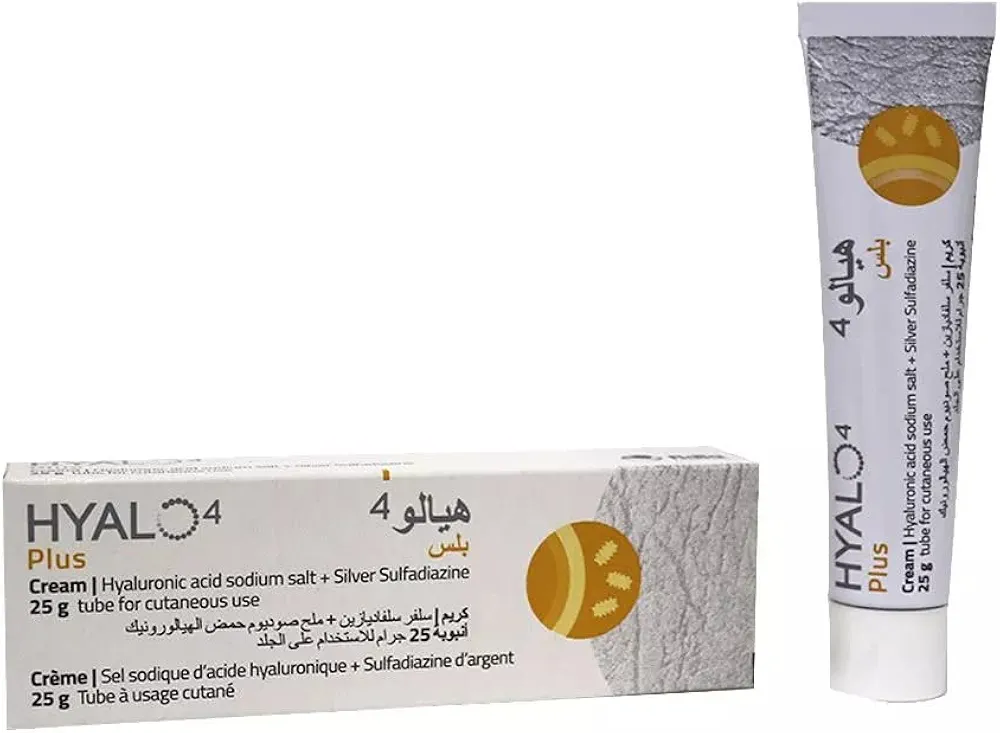
In the clinical management of Medication-Related Osteonecrosis of the Jaw (MRONJ), the primary therapeutic focus involves mitigating the risks associated with long-term exposure to Bisphosphonates / البيسفوسفونات Standard, which are the foundational agents implicated in the pathogenesis of this condition. When patients present with secondary soft tissue complications or localized abscess formation, clinicians may need to perform an Incision and Drainage of Fascial Space Infection / شق وتصريف خراج الفراغات اللفافية (عملية صغرى في العيادة) to manage acute infection while minimizing trauma to the compromised necrotic bone. Post-procedural care and the management of exposed mucosal surfaces are subsequently supported by the application of Hyalo4 plus cream / هيالو 4 بلس كريم 0.2% / 1%, which facilitates epithelialization and promotes healing in the delicate oral environment.