Clinical Assessment & Protocol
Typical Presentation (HPI)
EN: Recent STEMI managed with stenting, now referred for exercise prescription. AR: احتشاء عضلة قلبية حديث تم تدبيره بالدعامة، ومحال الآن لوصف التمارين.
General Examination
EN: Unremarkable or not routinely indicated. AR: طبيعي أو غير مطلوب روتينياً.
Treatment Protocol
EN: Supervised aerobic exercise, heart rate monitoring, and dietary counseling. AR: تمارين هوائية تحت الإشراف، مراقبة معدل ضربات القلب، وتقديم المشورة الغذائية.
Patient Education
EN: Recognizing warning symptoms during exercise and adherence to medication. AR: التعرف على أعراض التحذير أثناء ممارسة الرياضة والالتزام بالأدوية.
Systemic & Specialized Examinations
EN: S1, S2 present. No murmurs. AR: صوتا القلب الأول والثاني طبيعيان. لا توجد نفخات.
EN: Lungs clear to auscultation. AR: الرئتان صافيتان عند التسمع.
EN: Abdomen soft, non-tender. AR: البطن لين ولا يوجد ألم.
EN: Alert, oriented x3. No focal deficits. AR: المريض واعي ومدرك. لا يوجد عجز عصبي بؤري.
EN: Unremarkable or not routinely indicated. AR: طبيعي أو غير مطلوب روتينياً.
EN: Unremarkable or not routinely indicated. AR: طبيعي أو غير مطلوب روتينياً.
EN: Unremarkable or not routinely indicated. AR: طبيعي أو غير مطلوب روتينياً.
EN: Unremarkable or not routinely indicated. AR: طبيعي أو غير مطلوب روتينياً.
EN: Unremarkable or not routinely indicated. AR: طبيعي أو غير مطلوب روتينياً.
Orthopedic & Trauma Assessments
EN: Stable vitals during sub-maximal stress test, appropriate heart rate recovery. AR: علامات حيوية مستقرة أثناء اختبار الجهد دون الأقصى، واستعادة معدل ضربات القلب بشكل مناسب.
EN: Unremarkable or not routinely indicated. AR: طبيعي أو غير مطلوب روتينياً.
Comprehensive Clinical Guide: Myocardial Infarction Post-Rehabilitation
1. Introduction and Clinical Overview
Myocardial Infarction (MI), colloquially known as a heart attack, represents a critical medical event characterized by irreversible myocardial necrosis resulting from prolonged ischemia. The "Post-Rehab" phase refers to the period immediately following the completion of a formal Cardiac Rehabilitation (CR) program—a structured, multidisciplinary intervention designed to optimize cardiovascular health, mitigate risk factors, and improve functional capacity.
While CR is the gold standard for secondary prevention, the post-rehab phase is a vulnerable transition period. Patients move from a highly supervised clinical environment to self-managed lifestyle maintenance. Understanding the physiological, psychological, and clinical requirements of this phase is essential for clinicians, physical therapists, and patients to prevent recurrent cardiac events and heart failure progression.
2. Technical Specifications and Pathophysiology
Etiology and Mechanisms
The primary driver of MI remains atherosclerosis, specifically the rupture or erosion of a vulnerable atherosclerotic plaque leading to thrombus formation. Post-rehabilitation, the clinical focus shifts from acute stabilization to the stabilization of the systemic vascular endothelium.
- Plaque Vulnerability: Post-MI, the coronary vasculature remains prone to further events if systemic inflammation (elevated hs-CRP) and lipid profiles are not strictly managed.
- Myocardial Remodeling: Following necrotic cell death, the heart undergoes structural changes. Fibroblast proliferation and collagen deposition lead to scar formation. If unchecked, this leads to pathological remodeling, ventricular dilation, and secondary mitral regurgitation.
Pathophysiological Timeline
| Phase | Timeframe | Clinical Focus |
|---|---|---|
| Acute | 0–7 Days | Reperfusion, stabilization, infarct limitation. |
| Sub-Acute | 1–6 Weeks | Cardiac Rehab (Phase II), exercise tolerance testing. |
| Post-Rehab | 3+ Months | Maintenance of secondary prevention, lifestyle permanence. |
3. Clinical Indications and Management Guidelines
Patients who have completed cardiac rehabilitation are typically in a state of clinical stability, yet they remain at high risk for "recurrent events." Clinical management during this phase relies on the "ABCDE" framework:
- A: Antiplatelets, Anticoagulants, and ACE Inhibitors/ARBs. Essential to prevent thrombus formation and mitigate adverse ventricular remodeling.
- B: Beta-Blockers and Blood Pressure Control. Reducing myocardial oxygen demand by controlling heart rate and systemic vascular resistance.
- C: Cholesterol Management and Cigarette Cessation. Aggressive LDL-C lowering (often <70 mg/dL) via high-intensity statins and PCSK9 inhibitors.
- D: Diet and Diabetes Management. Mediterranean-style diets and glycemic control (HbA1c <7.0%).
- E: Exercise and Education. Sustaining the exercise capacity gained during the CR program.
Exercise Prescription (The Post-Rehab Standard)
Post-rehab patients should adhere to the FITT-VP principle:
* Frequency: 3–5 days per week of moderate-intensity aerobic activity.
* Intensity: 40%–80% of Heart Rate Reserve (HRR) or RPE of 12–16 on the Borg scale.
* Time: 30–60 minutes per session.
* Type: Rhythmic, large muscle group activities (walking, cycling, swimming).
4. Differential Diagnosis and Clinical Presentation
When a patient presents with symptoms post-rehab, clinicians must distinguish between benign musculoskeletal pain and recurrent cardiac ischemia.
The "Red Flag" Symptom Matrix
| Symptom | Cardiac Etiology | Non-Cardiac (Musculoskeletal) |
|---|---|---|
| Onset | Exertional/Stress-induced | Positional/Palpation-induced |
| Character | Pressure, squeezing, "elephant" | Sharp, stabbing, localized |
| Radiation | Jaw, left arm, neck, back | Localized to chest wall |
| Autonomic | Diaphoresis, nausea, syncope | None |
Differential Considerations:
1. Stable Angina: Ischemia triggered by increased oxygen demand.
2. Coronary Vasospasm (Prinzmetal’s): Occurs at rest, often early morning.
3. GERD/Esophageal Spasm: Frequently mimics angina; requires careful history taking.
4. Pericarditis: Positional pain, often sharp, relieved by leaning forward.
5. Risks, Side Effects, and Contraindications
Even in a post-rehabilitation state, patients may encounter clinical setbacks.
Common Risks
- Medication Non-Adherence: The most significant risk factor for re-infarction is the discontinuation of secondary prevention medications (statins/antiplatelets).
- Over-exertion: Attempting to exceed the exercise capacity determined during the final CR stress test.
- Psychological Distress: "Cardiac Anxiety" or depression is common post-rehab, which can increase sympathetic nervous system arousal and trigger arrhythmias.
Absolute Contraindications for Exercise
If a patient experiences any of the following, they must cease activity and seek immediate evaluation:
1. Unstable angina or new onset of exertional symptoms.
2. Uncontrolled arrhythmias (e.g., symptomatic AFib).
3. Severe symptomatic aortic stenosis.
4. Decompensated heart failure.
5. Acute myocarditis or pericarditis.
6. Diagnostic Testing and Monitoring
Long-term prognosis is monitored through serial assessments:
* Stress Echocardiography: To evaluate wall motion abnormalities and functional capacity.
* Cardiac MRI (cMRI): Gold standard for assessing myocardial viability and extent of late gadolinium enhancement (scarring).
* Ambulatory ECG (Holter): Indicated if there is a suspicion of silent ischemia or paroxysmal arrhythmias.
* Laboratory Surveillance: Quarterly checks of Lipid Panels (specifically LDL-C and ApoB), HbA1c, and Renal Function.
7. Massive FAQ Section
Q1: How long does the post-rehab phase last?
A: It is a lifelong commitment. The "post-rehab" period is essentially the rest of the patient’s life, requiring consistent adherence to lifestyle modifications.
Q2: Can I return to high-intensity sports after an MI?
A: It depends on the extent of myocardial damage and residual ischemia. A clearance stress test (often to maximal exertion) is required before returning to competitive sports.
Q3: What if I miss a dose of my antiplatelet medication?
A: Missing doses significantly increases the risk of stent thrombosis or recurrent MI. Contact your cardiologist immediately if you miss more than one dose.
Q4: Is chest pain always a sign of a heart attack?
A: No. However, in post-MI patients, any new or worsening chest discomfort should be treated as cardiac in origin until proven otherwise by a physician.
Q5: How do I know if my exercise intensity is safe?
A: Use the "Talk Test." You should be able to carry on a light conversation while exercising. If you are too breathless to speak, you are likely exercising above your prescribed intensity.
Q6: Why do I still need a statin if my cholesterol is normal?
A: Statins have "pleiotropic effects"—they stabilize atherosclerotic plaques and reduce vascular inflammation, which is vital regardless of your baseline LDL level.
Q7: Can depression affect my heart health post-rehab?
A: Yes. Depression is an independent risk factor for recurrent cardiac events. It increases cortisol and adrenaline levels, which can strain the cardiovascular system.
Q8: What is the significance of the "EF" (Ejection Fraction)?
A: EF measures how much blood the left ventricle pumps out with each contraction. A normal EF is 50-70%. Lower numbers indicate reduced pump function, requiring specific heart failure management.
Q9: Are there dietary supplements I should avoid?
A: Many supplements (e.g., St. John’s Wort, high-dose Vitamin E) can interact with cardiac medications like warfarin or clopidogrel. Always consult your pharmacist before adding supplements.
Q10: What should I do if I experience dizziness during exercise?
A: Stop exercising immediately and sit down. If the dizziness persists or is accompanied by palpitations, seek medical evaluation to rule out exercise-induced arrhythmias or hypotension.
8. Long-Term Prognosis and Conclusion
The prognosis for a patient post-rehabilitation is generally favorable, provided that secondary prevention strategies are strictly maintained. The transition from "patient" to "person living with heart disease" is a psychological and physical milestone.
Modern medical science has shifted the focus from merely surviving an MI to thriving with chronic condition management. Through pharmacological optimization, consistent physical activity, and proactive symptom monitoring, the risk of mortality and morbidity is drastically reduced. The key to long-term success lies in the patient’s ability to integrate these clinical guidelines into their daily routine, effectively turning "rehabilitation" into "lifestyle."
Clinical Summary Table: Success Indicators
| Indicator | Target Goal |
| :--- | :--- |
| LDL-Cholesterol | < 55–70 mg/dL |
| Blood Pressure | < 130/80 mmHg |
| HbA1c | < 7.0% |
| Smoking Status | Absolute Cessation |
| Physical Activity | 150 min/week moderate |
Disclaimer: This guide is for educational purposes for healthcare professionals and patients. It does not replace the specific clinical advice of a cardiologist or primary care physician. Always follow the individualized care plan provided by your clinical team.
Treatment & Management Options
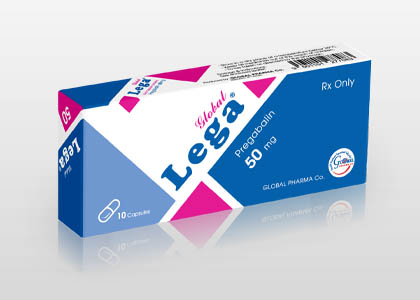
Recommended Medications