Menu
Medical Condition
Neurology
Neurology ICD-10: G70.00_4

Myasthenia Gravis (Generalized)

Neuromuscular junction disorder caused by antibodies against acetylcholine receptors.

Medical Disclaimer
This condition guide is intended for educational and informational purposes only. It does not constitute medical advice, diagnosis, or treatment. Always consult a qualified healthcare provider regarding any symptoms or medical conditions.

Clinical Assessment & Protocol

Typical Presentation (HPI)

EN: Fluctuating muscle weakness that worsens with activity and improves with rest. AR: ضعف عضلي متذبذب يزداد سوءاً مع النشاط ويتحسن مع الراحة.

General Examination

EN: Unremarkable or not routinely indicated. AR: طبيعي أو غير مطلوب روتينياً.

Treatment Protocol

EN: Pyridostigmine, immunosuppressants, and thymectomy. AR: بيريدوستيجمين، مثبطات المناعة، واستئصال الغدة الزعترية.

Patient Education

EN: Avoidance of medications that exacerbate weakness (e.g., certain antibiotics). AR: تجنب الأدوية التي تزيد من ضعف العضلات (مثل بعض المضادات الحيوية).

Systemic & Specialized Examinations

Cardiovascular

EN: S1, S2 present. No murmurs. AR: صوتا القلب الأول والثاني طبيعيان. لا توجد نفخات.

Respiratory

EN: Lungs clear to auscultation. AR: الرئتان صافيتان عند التسمع.

Gastrointestinal

EN: Abdomen soft, non-tender. AR: البطن لين ولا يوجد ألم.

Neurological

EN: Ptosis, diplopia, and proximal muscle weakness. AR: تدلي الجفون، ازدواج الرؤية، وضعف العضلات القريبة.

Dermatological

EN: Unremarkable or not routinely indicated. AR: طبيعي أو غير مطلوب روتينياً.

Psychiatric

EN: Unremarkable or not routinely indicated. AR: طبيعي أو غير مطلوب روتينياً.

OB/GYN

EN: Unremarkable or not routinely indicated. AR: طبيعي أو غير مطلوب روتينياً.

Ophthalmic

EN: Unremarkable or not routinely indicated. AR: طبيعي أو غير مطلوب روتينياً.

Dental

EN: Unremarkable or not routinely indicated. AR: طبيعي أو غير مطلوب روتينياً.

Orthopedic & Trauma Assessments

Range of Motion

EN: Unremarkable or not routinely indicated. AR: طبيعي أو غير مطلوب روتينياً.

Local Examination

EN: Unremarkable or not routinely indicated. AR: طبيعي أو غير مطلوب روتينياً.

Comprehensive Clinical Guide: Generalized Myasthenia Gravis (gMG)

1. Introduction and Clinical Overview

Generalized Myasthenia Gravis (gMG) is a chronic autoimmune neuromuscular junction disorder characterized by fluctuating weakness and pathological fatigability of skeletal muscles. Unlike Ocular Myasthenia Gravis (oMG), which is limited to the extraocular muscles, Generalized Myasthenia Gravis involves the bulbar, limb, and respiratory musculature, presenting a significant clinical challenge that requires multidisciplinary management.

The hallmark of the disease is the production of autoantibodies that target components of the postsynaptic membrane at the neuromuscular junction (NMJ). This disruption in synaptic transmission results in the characteristic "myasthenic fatigue"—weakness that worsens with sustained activity and improves with rest. With a prevalence of approximately 15–20 cases per 100,000 individuals, gMG remains a primary focus of neuroimmunology and clinical neurology.


2. Pathophysiology and Technical Mechanisms

The fundamental pathology of gMG lies in the humoral immune system's failure to recognize "self," leading to the destruction or blockage of receptors required for muscle contraction.

The Neuromuscular Junction (NMJ) Cascade

In a healthy state, an action potential reaches the presynaptic terminal, triggering the release of acetylcholine (ACh) into the synaptic cleft. ACh binds to acetylcholine receptors (AChR) on the postsynaptic membrane, inducing a conformational change that allows ion influx, leading to muscle depolarization.

In gMG, this process is interrupted by three primary mechanisms:
1. AChR Antibody-Mediated Destruction: The most common form (85% of cases), where IgG1 and IgG3 antibodies bind to AChRs, activating the complement cascade. This leads to the destruction of the postsynaptic folds, reducing the surface area available for binding.
2. MuSK (Muscle-Specific Kinase) Antibodies: Found in roughly 5–8% of patients. These antibodies interfere with the clustering of AChRs, preventing effective synaptic signaling.
3. LRP4 Antibodies: Low-density lipoprotein receptor-related protein 4 antibodies interfere with the agrin-LRP4-MuSK signaling pathway, further destabilizing the NMJ.

The Role of the Thymus

The thymus gland plays a central role in the pathogenesis of gMG. Approximately 75% of patients exhibit thymic abnormalities, including:
* Thymic Hyperplasia: Ectopic germinal centers mimicking peripheral lymphoid tissue.
* Thymoma: A neoplastic condition of the thymic epithelial cells, present in 10–15% of patients, which often correlates with more severe, high-titer AChR-antibody disease.


3. Clinical Presentation and Staging

Standard Clinical Presentation

Patients typically present with a constellation of symptoms that fluctuate in intensity throughout the day.
* Ocular: Ptosis (drooping eyelids) and diplopia (double vision).
* Bulbar: Dysarthria (slurred speech), dysphagia (difficulty swallowing), and fatiguing of the jaw muscles during mastication.
* Axial/Limb: Neck weakness (dropped head syndrome) and proximal weakness of the upper and lower extremities.
* Respiratory: Shortness of breath, particularly in the supine position or during physical exertion, which may progress to a Myasthenic Crisis.

The Myasthenia Gravis Foundation of America (MGFA) Clinical Classification

Class Description
Class I Any ocular muscle weakness; may have weakness of eye closure. All other muscle strength is normal.
Class II Mild weakness affecting other than ocular muscles; may also have ocular muscle weakness of any severity.
Class III Moderate weakness affecting other than ocular muscles; may also have ocular muscle weakness of any severity.
Class IV Severe weakness affecting other than ocular muscles; may also have ocular muscle weakness of any severity.
Class V Defined by the need for intubation, with or without mechanical ventilation, except during routine postoperative management.

4. Diagnostic Testing Protocols

Diagnosis of gMG requires a combination of clinical suspicion, serological verification, and electrophysiological testing.

Serological Testing

  • AChR-Ab: High specificity. If positive, the diagnosis is confirmed.
  • MuSK-Ab: Tested in AChR-negative patients.
  • LRP4-Ab: Utilized in "double-seronegative" cases.

Electrophysiological Testing

  • Repetitive Nerve Stimulation (RNS): A "decremental response" (a progressive decline in the amplitude of the compound muscle action potential) is the classic finding.
  • Single-Fiber Electromyography (SFEMG): The most sensitive diagnostic test. It measures "jitter"—the variability in the time interval between two muscle fibers innervated by the same motor unit.

The Edrophonium (Tensilon) Test

Historically used, this test involves the administration of an acetylcholinesterase inhibitor to observe transient improvement in muscle strength. It is now largely replaced by serology and SFEMG due to the risk of cholinergic side effects (bradycardia, bronchospasm).


5. Risks, Contraindications, and Management

Myasthenic Crisis

A life-threatening complication where respiratory muscle weakness leads to the inability to maintain a patent airway or adequate ventilation. Precipitating factors include:
* Infections (pneumonia, URI).
* Surgery or physical trauma.
* Rapid tapering of immunosuppressive medications.
* Exposure to contraindicated medications.

Contraindicated Medications

Certain drugs can exacerbate myasthenic weakness by interfering with NMJ transmission:
* Antibiotics: Aminoglycosides, fluoroquinolones, macrolides.
* Cardiovascular: Beta-blockers, calcium channel blockers, procainamide.
* Neurological: Magnesium sulfate, botulinum toxin, and certain neuromuscular blocking agents.


6. Long-Term Prognosis and Therapeutic Goals

The primary goal of gMG management is "Minimal Manifestation Status" (MMS)—a state where the patient has no symptoms or functional limitations while on or off medication.

Treatment Modalities

  1. Symptomatic: Acetylcholinesterase inhibitors (e.g., Pyridostigmine).
  2. Immunomodulatory: Corticosteroids (Prednisone) and steroid-sparing agents (Azathioprine, Mycophenolate Mofetil).
  3. Rapid Rescue: Plasmapheresis (PLEX) or Intravenous Immunoglobulin (IVIg) for crisis management.
  4. Surgical: Thymectomy, particularly for AChR-antibody positive patients under age 60.
  5. Biologics: Complement inhibitors (Eculizumab, Ravulizumab) and Neonatal Fc receptor (FcRn) blockers (Efgartigimod).

7. Extensive FAQ Section

1. Is Myasthenia Gravis hereditary?

No, gMG is not considered a hereditary genetic disease. However, there is a genetic predisposition, and patients often have a family history of other autoimmune disorders (e.g., thyroid disease, rheumatoid arthritis).

2. Can I live a normal life with gMG?

Yes. With modern therapeutic advancements, most patients achieve a high quality of life and reach a state of remission or minimal symptoms.

3. What is a "Myasthenic Crisis"?

It is a medical emergency requiring ICU admission, characterized by severe respiratory failure due to weakness of the diaphragm and intercostal muscles.

4. Why does my weakness fluctuate throughout the day?

Fluctuation is caused by the depletion of the limited pool of acetylcholine available at the NMJ during repeated muscle use. Rest allows for the replenishment of these vesicles.

5. Does thymectomy cure gMG?

It is not a guaranteed cure, but it is a standard of care for many patients. Data shows that thymectomy can lead to increased rates of drug-free remission, especially in younger patients with AChR-positive disease.

6. Are there specific diets for gMG patients?

There is no specific "MG diet," but patients with dysphagia should consume soft, moist foods and avoid large meals that cause fatigue during chewing.

7. Can stress trigger a flare-up?

Yes. Emotional and physical stress are well-documented triggers for exacerbations in gMG patients.

8. Is pregnancy safe for a woman with gMG?

Pregnancy is generally safe, but requires careful management. Some medications (like Mycophenolate) are teratogenic and must be discontinued prior to conception.

9. What is the difference between ocular and generalized MG?

Ocular MG is restricted to eye muscles. Generalized MG involves these plus bulbar (speech/swallow), limb, and respiratory muscles.

10. How long does it take for Pyridostigmine to work?

Pyridostigmine is a fast-acting medication; patients typically notice improvement in strength within 30 to 60 minutes after ingestion, with effects lasting 3 to 6 hours.


8. Clinical Summary Table: Differential Diagnosis

Condition Distinguishing Feature
Lambert-Eaton Syndrome Strength improves with repeated activity; hyporeflexia.
Botulism Descending paralysis, pupils often involved.
ALS Upper and lower motor neuron signs; no fluctuation.
Thyroid Eye Disease Proptosis; usually no fatiguing weakness.
Congenital Myasthenic Syndromes Genetic, present in infancy, non-autoimmune.

9. Conclusion

Generalized Myasthenia Gravis is a complex, multi-system autoimmune disorder that demands a nuanced approach to clinical care. By integrating rapid diagnostic testing, personalized immunosuppressive strategies, and vigilant monitoring for respiratory compromise, clinicians can effectively alter the trajectory of this disease. Advancements in complement-inhibition and targeted immunotherapy continue to improve the prognosis for patients, moving the standard of care from merely "managing symptoms" toward "achieving sustained remission."

Disclaimer: This guide is intended for educational and professional clinical reference purposes only. It does not replace professional medical advice, diagnosis, or treatment. Always consult with a board-certified neurologist for patient-specific management.

Related Clinical Integration

In the comprehensive management of Myasthenia Gravis (Generalized), clinical integration focuses on stabilizing neuromuscular transmission and mitigating the systemic effects of long-term immunosuppressive therapy. Patients often require Immunosuppressants (e.g., corticosteroids, azathioprine) / مثبطات المناعة (مثل، الكورتيكوستيرويدات، أزاثيوبرين) Standard or Corticosteroids / الكورتيكوستيرويدات Standard to modulate the autoimmune response, necessitating routine Renal function testing / اختبار وظائف الكلى (خدمات رعاية عامة) and Serum electrolyte monitoring / مراقبة كهارل المصل (خدمات رعاية عامة) to monitor for metabolic side effects. During acute exacerbations or myasthenic crises, hospital protocols prioritize respiratory support through Oxygen Administration / إعطاء الأكسجين (خدمات رعاية عامة) and rapid immunomodulation via Intravenous Immunoglobulin (IVIG) / الغلوبولين المناعي الوريدي (IVIG) Standard or Plasma exchange / تبادل البلازما Standard. Furthermore, because chronic steroid use impacts bone density, clinicians must proactively manage skeletal health using Calcium Carbonate + Cholecalciferol (Vitamin D3) Tablet / أقراص كربونات الكالسيوم + كولي كالسيفيرول (فيتامين د3) 500mg/400IU and [Alendronate / ألندرونات 70 mg](https://yemenhealthos.com/ar/clinic

Treatment & Management Options

Recommended Medications
Acetaminophen-Codeine
300mg / 30mg
Biofreeze Gel
4% or 5% (Varies by product)
Buprenorphine Transdermal Patch (Butrans)
10mcg/hr
Lidocaine
100cc
Menthol and Methyl Salicylate Topical Spray
Not specified
Methyl Salicylate Topical Cream
Variable
Paracetamol (Acetaminophen) IV Infusion
1000 mg/100 mL
Solpadeine
Paracetamol 500mg / Codeine Phosphate 8mg / Caffei
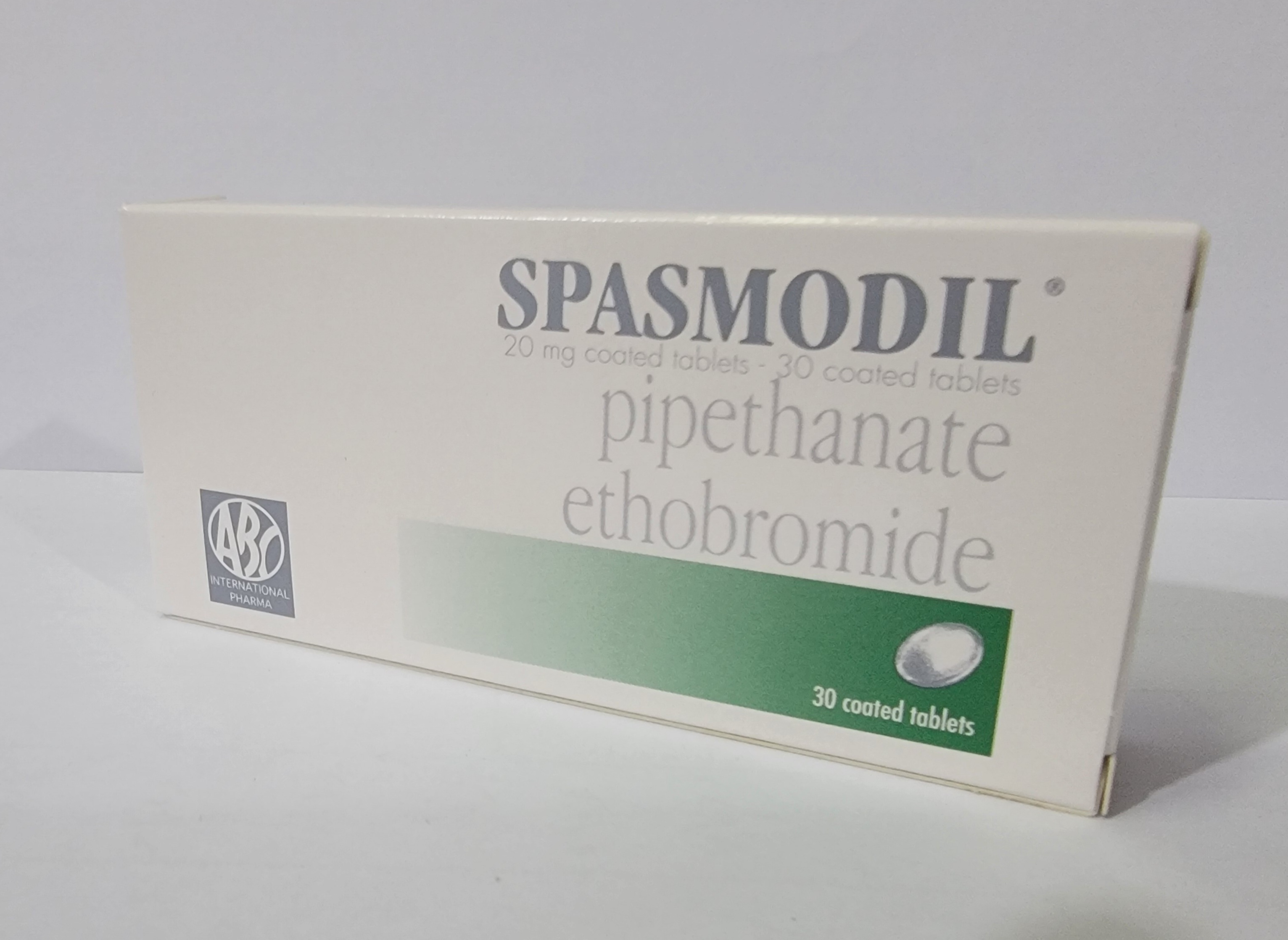
Spasmodil tablet
20mg
Tapentadol ER (Nucynta ER)
100mg
Trabar
50mg
Tramadol
50 mg/mL
Varacet
37.5mg/325mg
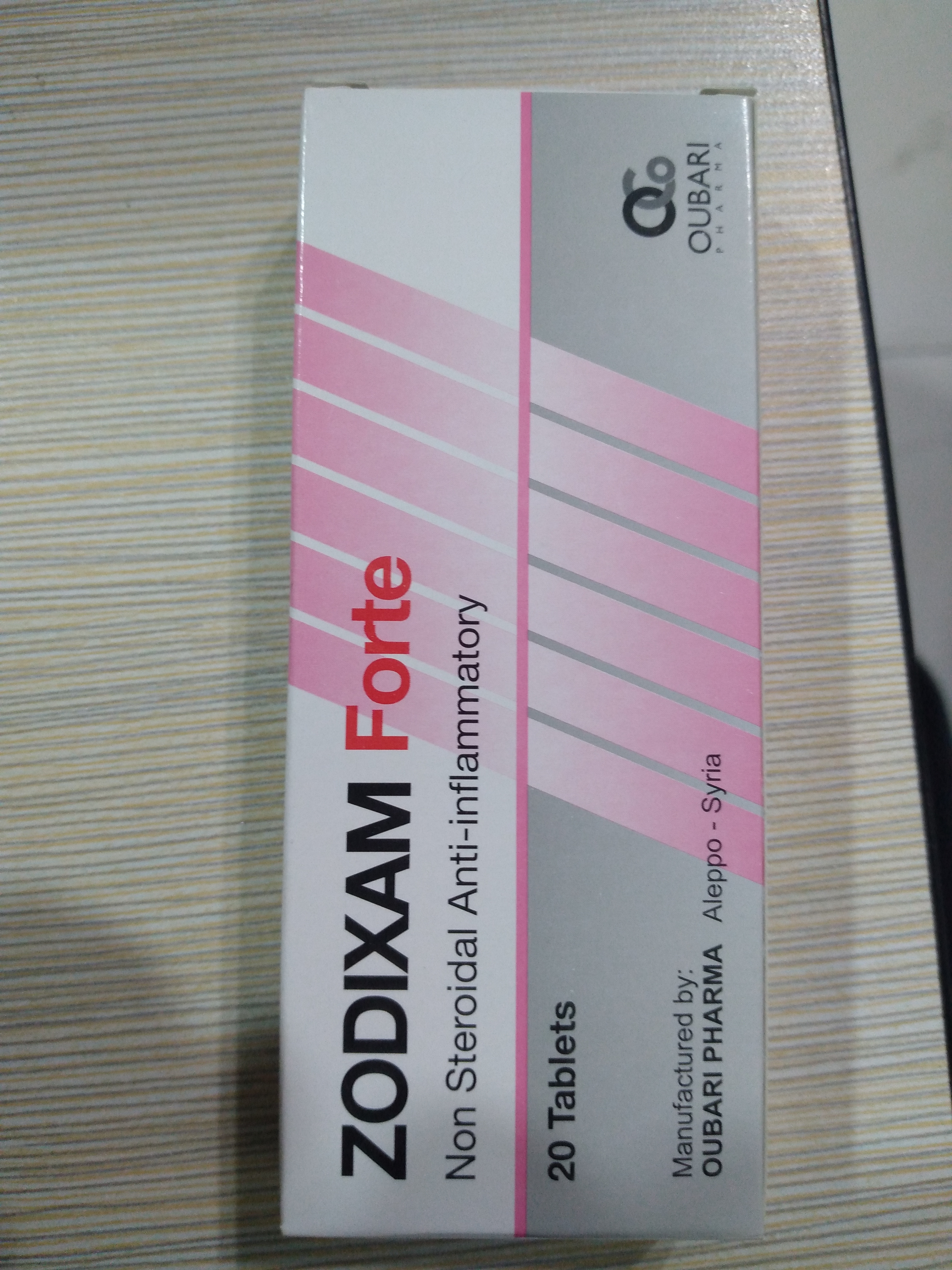
Zodixam fort
15mg
Albendazole
200mg
Amoxicillin
500 mg
Augmentin
312.5 mg/5 mL
Augmentin 875 mg/125 mg Tablet
875 mg/125 mg
Bactrim
160mg/800mg
Cefalexin
500mg
Cefazolin 500 mg
500 mg
Ceftriaxone
1 g
Ceftriaxone for Injection
500 mg
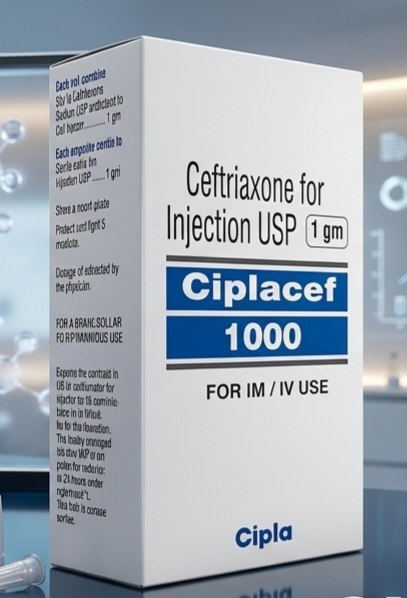
Ciplacef 1g vail
1g
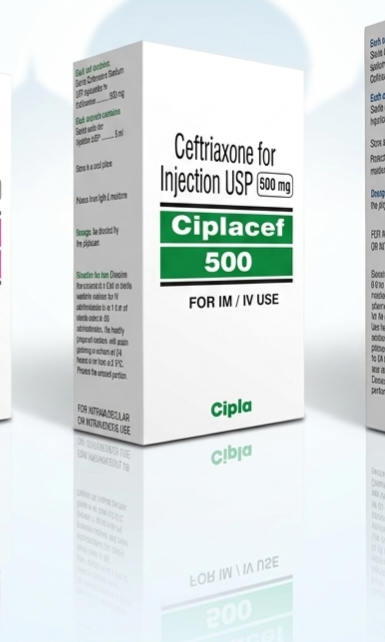
Ciplacef 500 vail
500mg
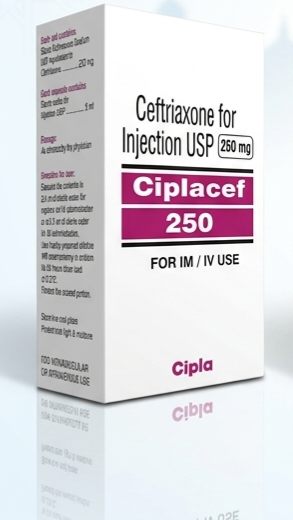
Ciplacef vail 250
250mg
Ciplox
500 mg
Ciprofloxacin
Not specified
Ciprofloxacin 500 mg Tablet
500 mg
Declomycin
150 mg
Doxycycline
100 mg
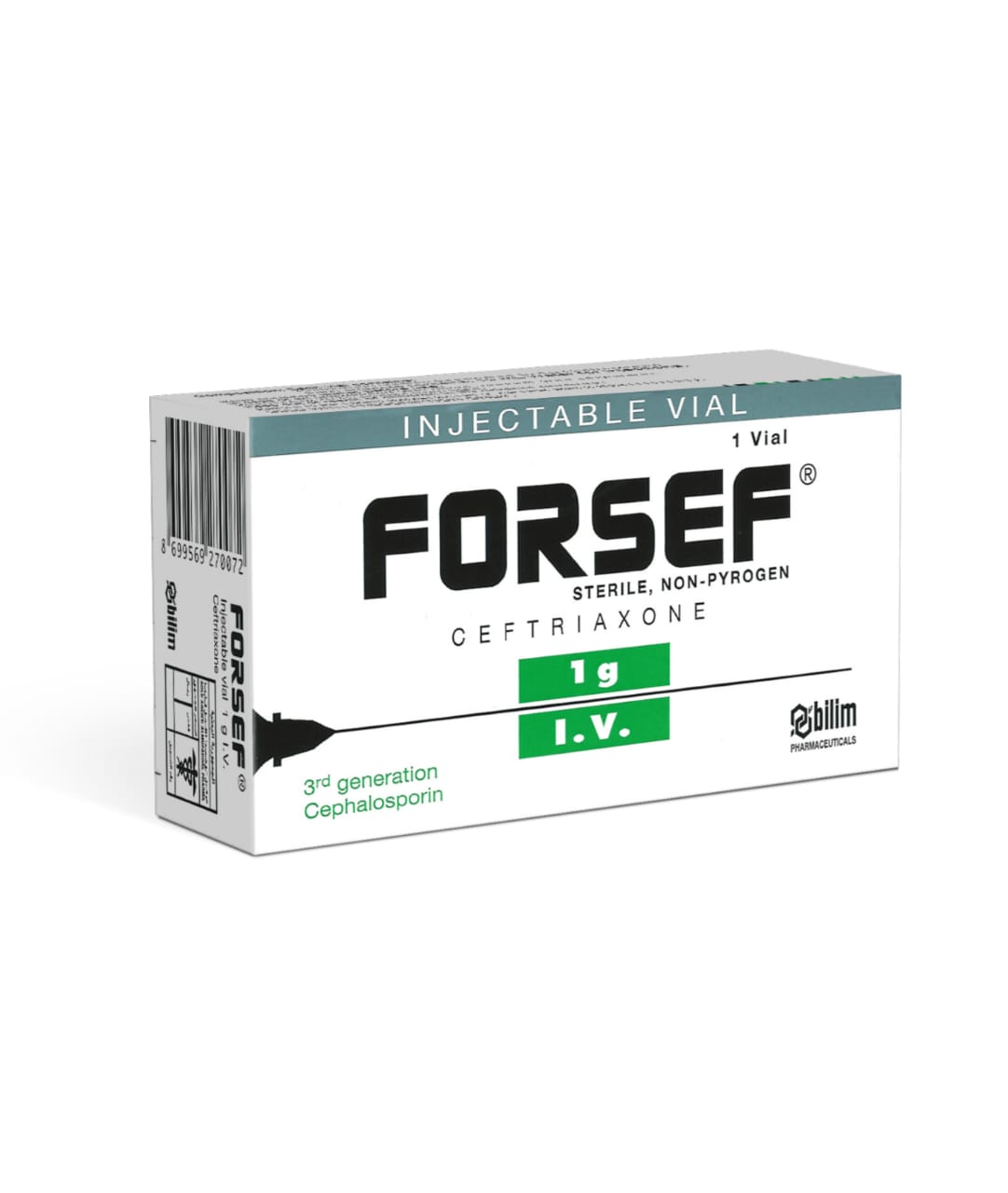
FORSEF 1g I.V
1g
Forsef (Ceftriaxone)
1g
Fusidic Acid Ointment
2%
Lefoxin (Levofloxacin)
500mg
Metronidazole
500 mg/100 mL
Nalidixic Acid
250 mg/5 mL
Nalidixic Acid (ID:316)
500mg
Povidone Iodine Solution
100ml
Retarpin
1,200,000 IU
Rifampicin
600 mg
Septrin
400 mg
Shaphacef
1 g
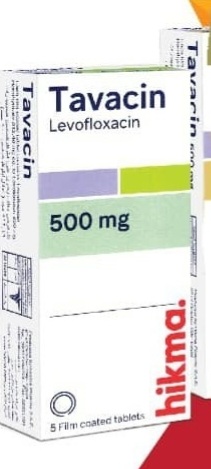
Tavacin (Levofloxacin)
500mg
Tavoniflox500 tab
500mg
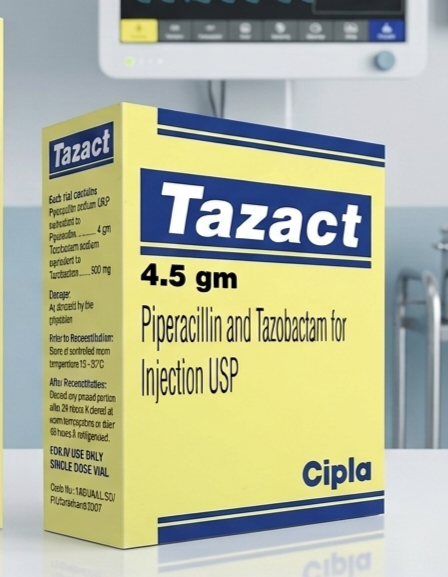
Tazact 4.5
4.5
Unitriaxon (Ceftriaxone)
1g
cefasyn 500
500
levobact 500
500mg
Amiodarone
200mg
Amiodarone IV
150mg/3ml
Amlodipine
5mg
Apixaban
5mg
Argatroban
250 mg / 2.5 mL
Arixtra
60 mg
Atenolol
50mg
Atorvastatin
10mg
Atropine
1mg/ml
Bisoprolol
10mg
Bumex
1 mg
Calcium Gluconate
10ml
Candesartan
16mg
Captopril
25mg
Cardene
25 mg / 10 mL
Carvedilol
12.5mg
Catapres
0.1 mg
Clopidogrel
75mg
Dabigatran
150mg
Dapagliflozin
5mg
Demadex
20 mg
Diamox
250 mg
Diltiazem ER
180mg
Dofetilide
500mcg
Dronedarone
400mg
Edoxaban
60mg
Empagliflozin
25mg
Enalapril
5mg
Enoxaparin
40mg/0.4ml
Epinephrine
1mg/10ml
Eplerenone
50mg
Flecainide
100mg
Heparin
5000 units/ml
Hydrochlorothiazide
25mg
Irbesartan
150mg
Isosorbide Dinitrate
10mg
Isosorbide Mononitrate ER
60mg
Kerendia
10 mg
Lasix
40 mg
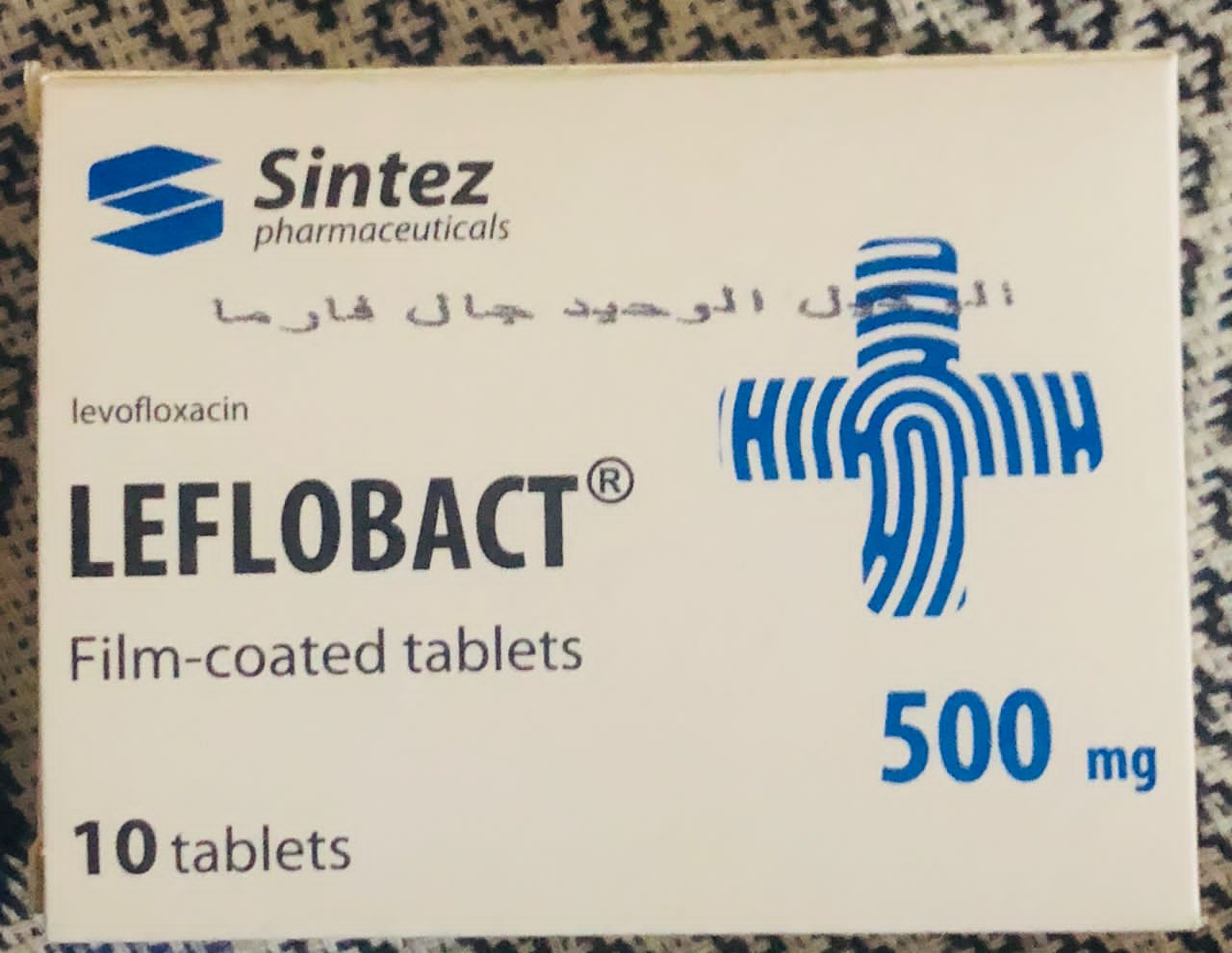
Leflobact
500mg
Lisinopril
10mg
Loniten
10 mg
Losartan
100mg
Metoprolol Succinate
50mg
Metoprolol Tartrate
25mg
Midamor
5 mg
Nifedipine ER
60mg
Nitroglycerin SL
0.4mg
Nitroglycerin Spray
0.4mg/spray
Perindopril
4mg
Prasugrel
10mg
Pravastatin
40mg
Propafenone
150mg
Ramipril
10mg
Rivaroxaban
20mg
Rosuvastatin
10mg
Sacubitril/Valsartan
49/51mg
Simvastatin
20mg
Sodium Bicarbonate
50mEq/50ml
Sotalol
120mg
Spironolactone
50mg
Ticagrelor
90mg
Torsemide
20mg
Trandate
5 mg / mL
Valsartan
80mg
Verapamil ER
240mg
Warfarin
5mg
Zaroxolyn
2.5 mg
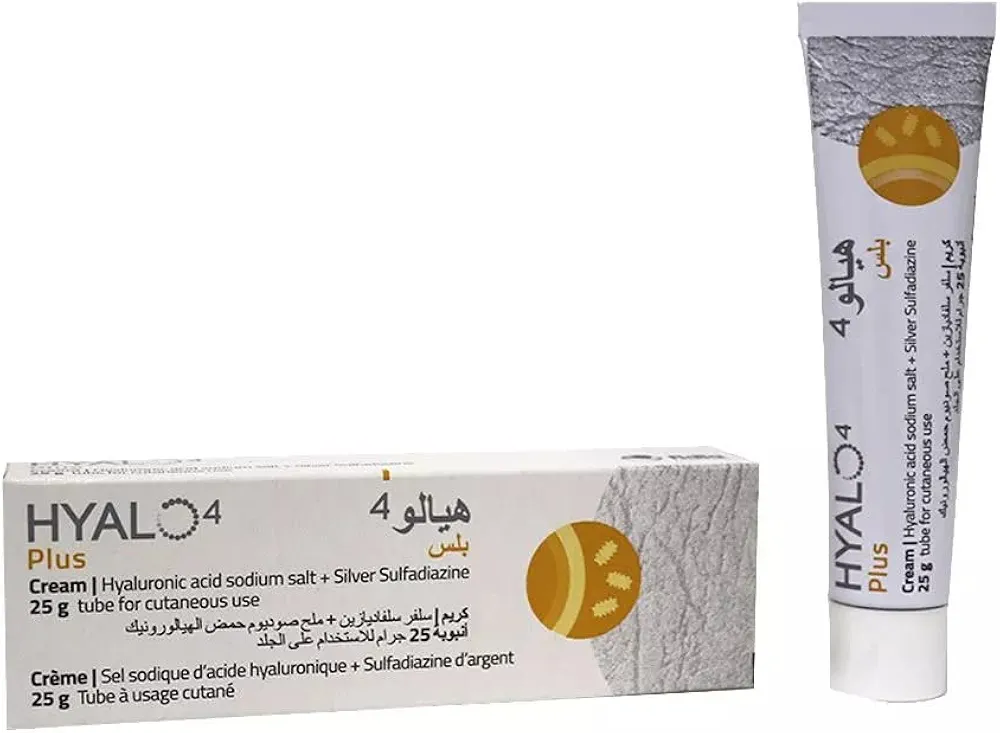
Hyalo4 plus cream
0.2% / 1%
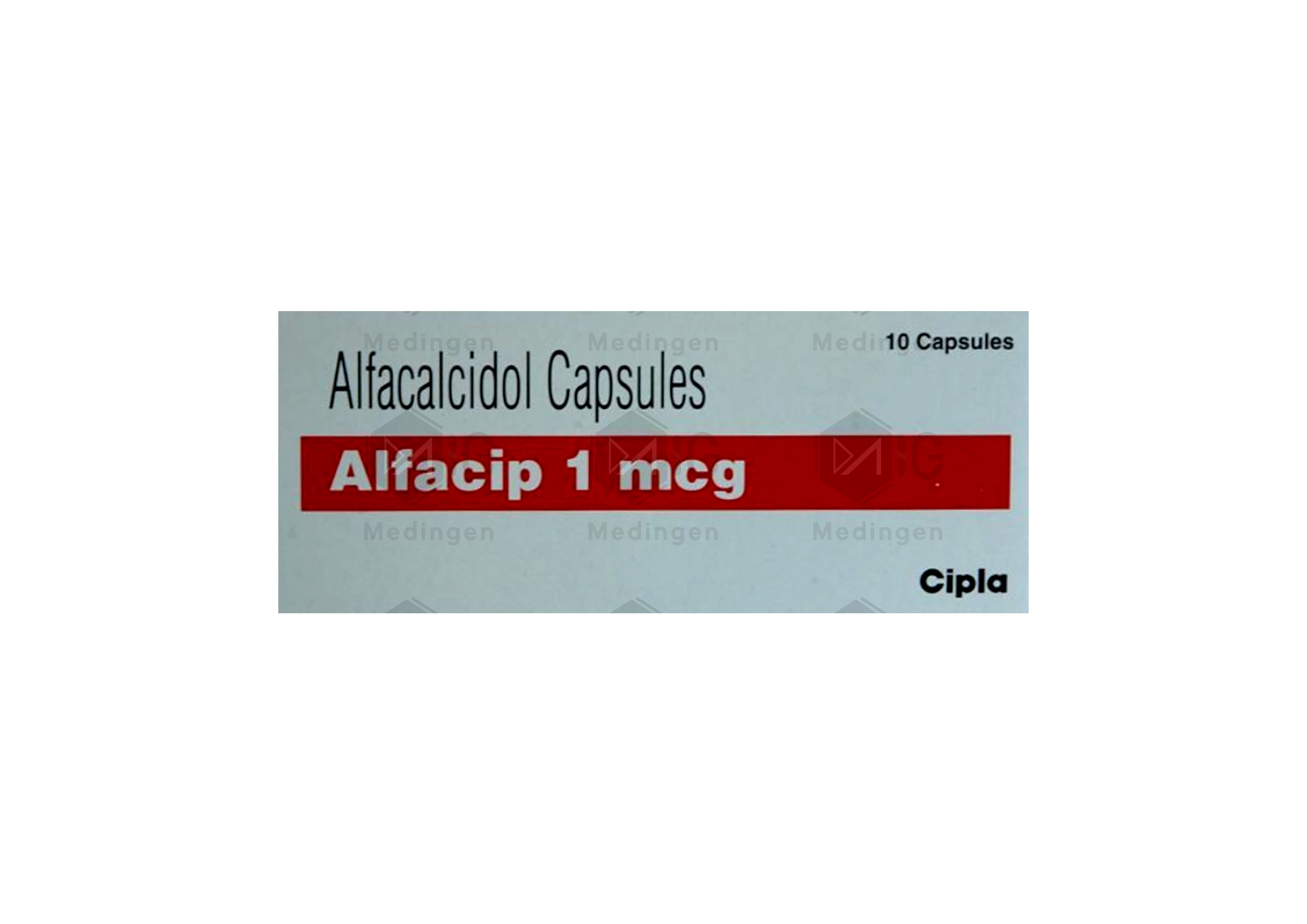
ALFACIP 1MCG
0.25 mcg
Acthar Gel
80 Units / mL
Alendronate
70 mg
Alendrotab
70 mg
Betamethasone Ointment
Not specified (Commonly 0.05% or 0.1%)
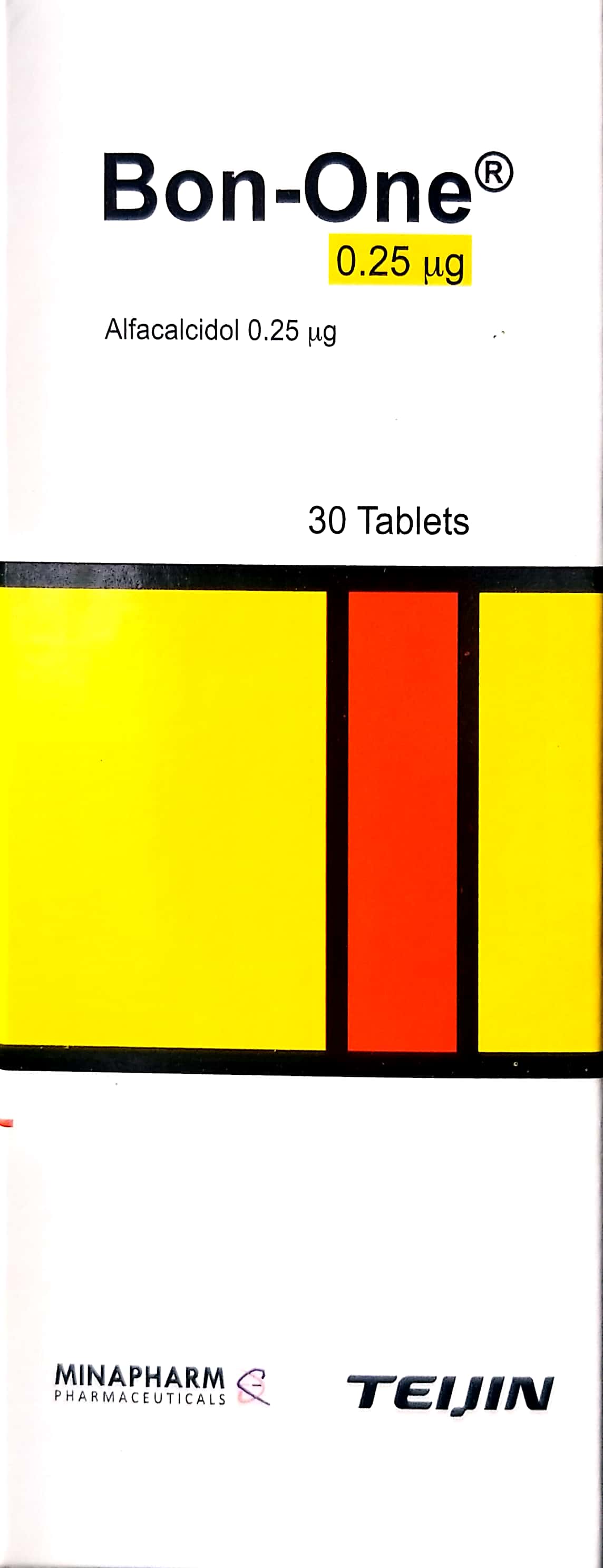
Bon-one
0.25mcg
Boniva
150 mg
Calcimed D3 Effervescent Tablets
600 mg Calcium / 400 IU Cholecalciferol
Calcitron (Calcium Carbonate + Vitamin D3)
Variable (e.g., Calcium Carbonate 500mg, Vitamin D
Calcium Carbonate
1250mg (equivalent to 500mg elemental calcium)
Calcium Carbonate + Cholecalciferol
Calcium Carbonate 1250 mg (equivalent to 500 mg el
Calcium Carbonate + Cholecalciferol (Vitamin D3) Tablet
500mg/400IU
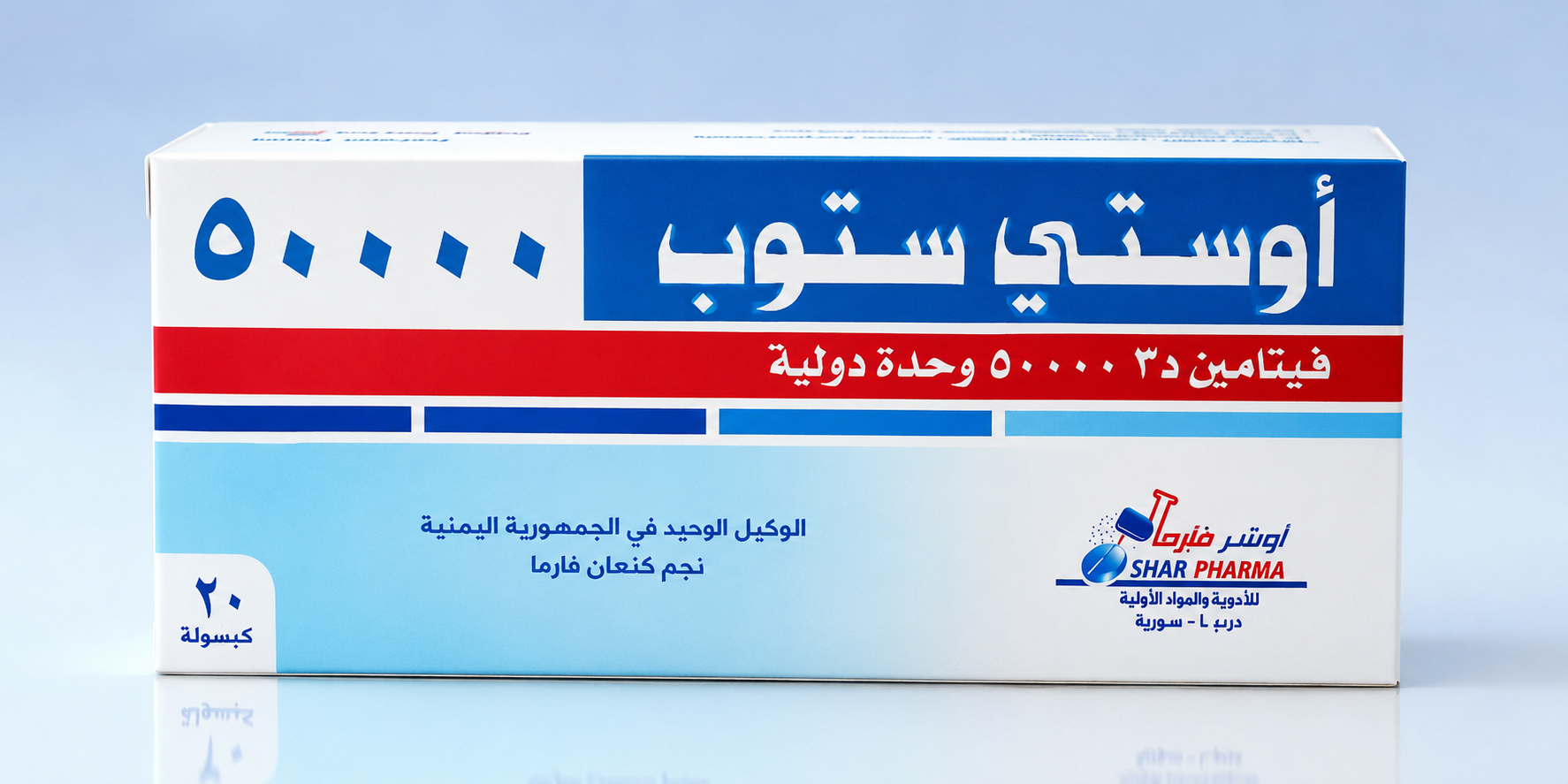
Cholecalciferol 50000 IU Capsule
50000 IU
Cholecalciferol 600,000 IU Ampoule
600,000 IU
Depo-Medrol
80 mg
Dexamethasone
4 mg/mL
Farxiga
10 mg
Florinef
0.1 mg
Hectorol
1 mcg
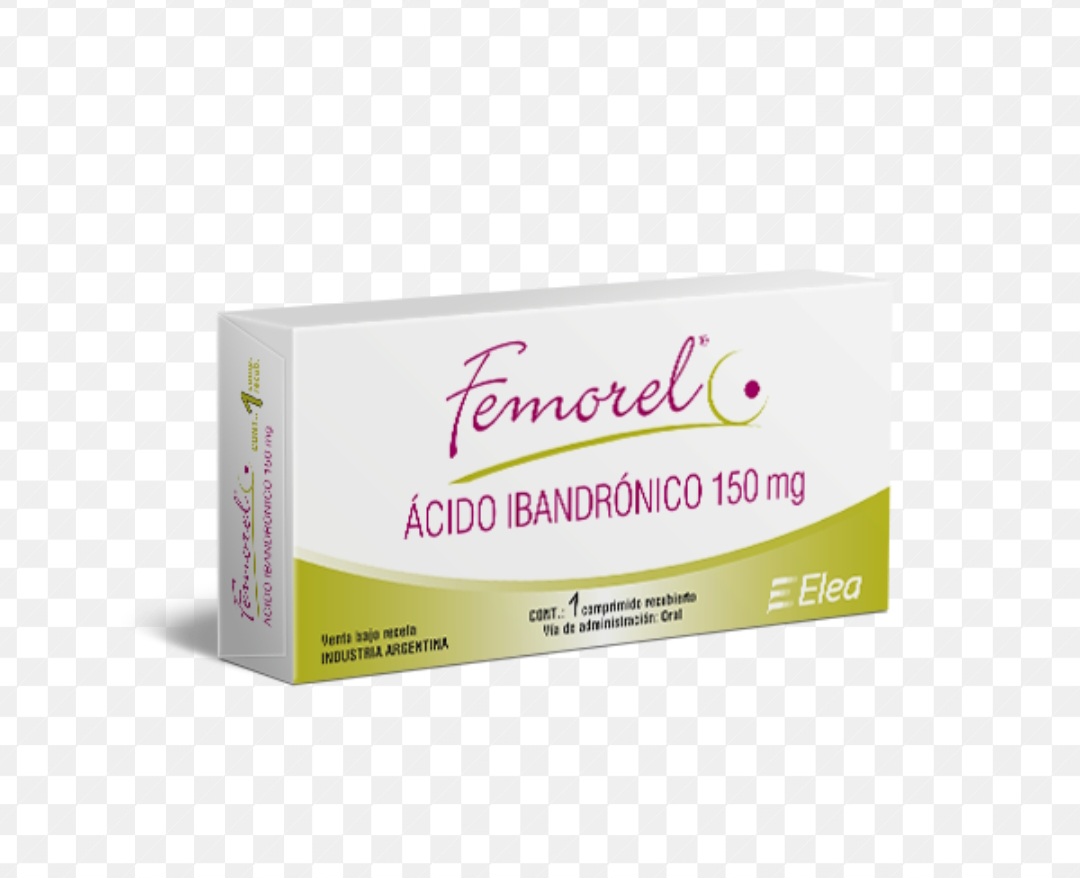
Ibandronic Acid
150 mg
Jardiance
10 mg
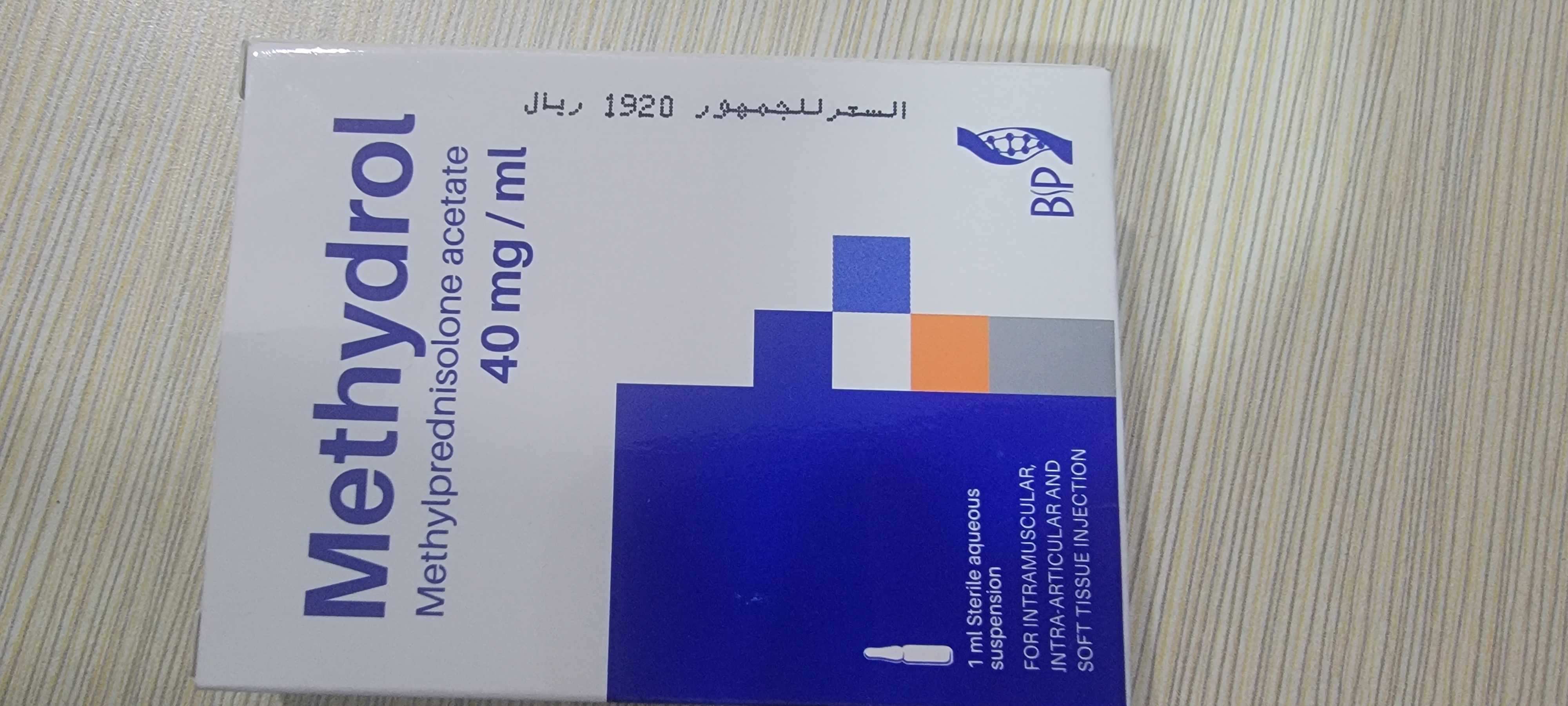
Methydrol amp
40mg
Methylprednisolone IV
40mg
Methylprednisolone acetate (Depo-Medrol)
40 mg
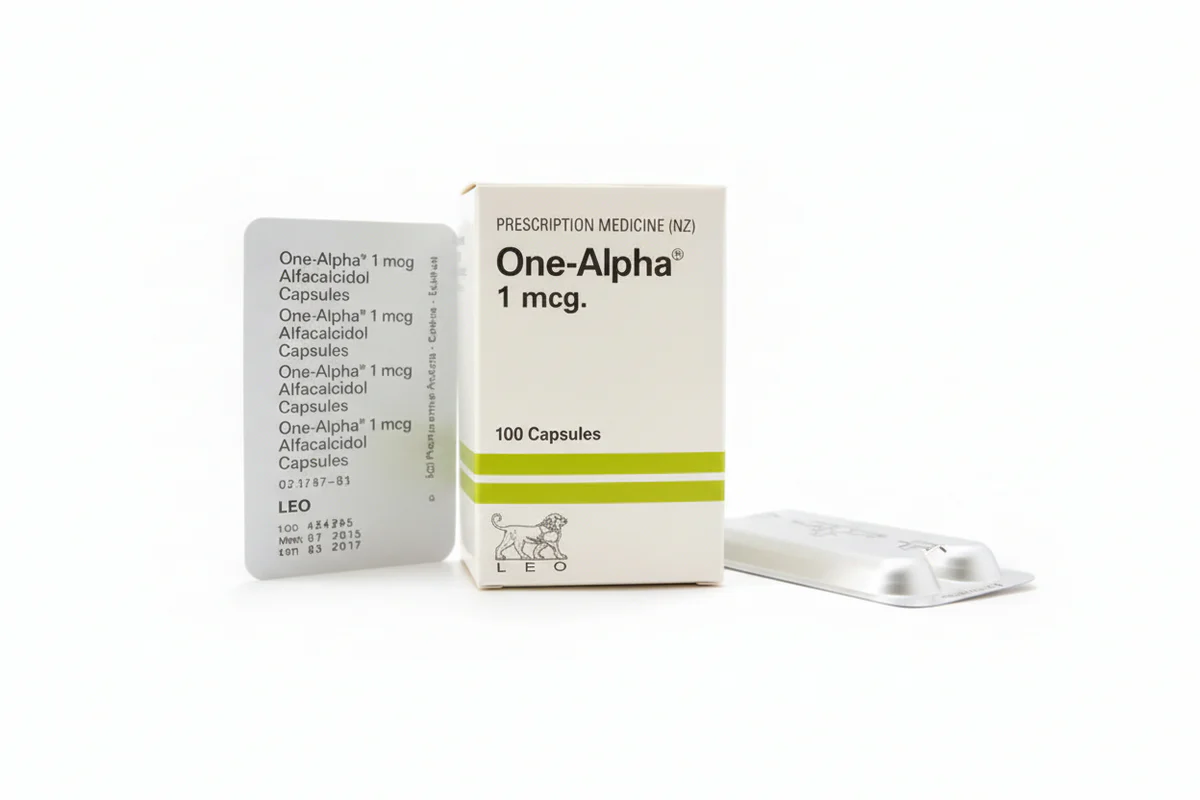
ONE-ALPHA® 1 MCG
1 mcg
Osteron
40mg
Parsabiv
5 mg / mL
Prednisone
5 mg
Prolia
60 mg/mL
Proluton Depot
250 mg/mL
Rayaldee
30 mcg
Rocaltrol
0.25 mcg
Sensipar
30 mg
Solu-Medrol
500 mg
Triamcinolone Acetonide Injection
40 mg/mL
Zemplar
1 mcg
6-Mercaptopurine (6-MP)
50mg
Adalimumab
40mg
Aluminum Hydroxide/Magnesium Hydroxide
400mg/400mg
Aprepitant
125mg/80mg
Azathioprine
50mg
Balsalazide
750mg
Bisacodyl
5mg
Bismuth Subsalicylate
525mg/15mL
Botulinum Toxin
100U
Budesonide (MMX)
9mg
Budesonide (Rectal foam)
2mg/25mL
Certolizumab Pegol
200mg
Cholestyramine
4g
Cimetidine
400mg
Cisapride
10mg
Clarithromycin
500mg
Colace
100mg
Colesevelam
625mg
Colestipol
1g
Crofelemer
125mg
Cyclosporine
100mg
Dexlansoprazole
60mg
Diphenoxylate/Atropine
2.5mg/0.025mg
Domperidone
10mg
Eluxadoline
100mg
Erythromycin
250mg
Esomac 40
40mg
Esomeprazole
40mg
Fidaxomicin
200mg
Fosaprepitant
150mg
Furosemide
40mg
Golimumab
100mg
Granisetron
1mg
Hydrocortisone
100mg/60mL
Infliximab
100mg
Kayexalate
15 g / 60 mL
Lactulose
10g/15mL
Lanreotide
90mg
Lansoprazole
30mg
Levofloxacin
500mg
Linaclotide
145mcg
Lokelma
10 g
Loperamide
2mg
Lubiprostone
24mcg
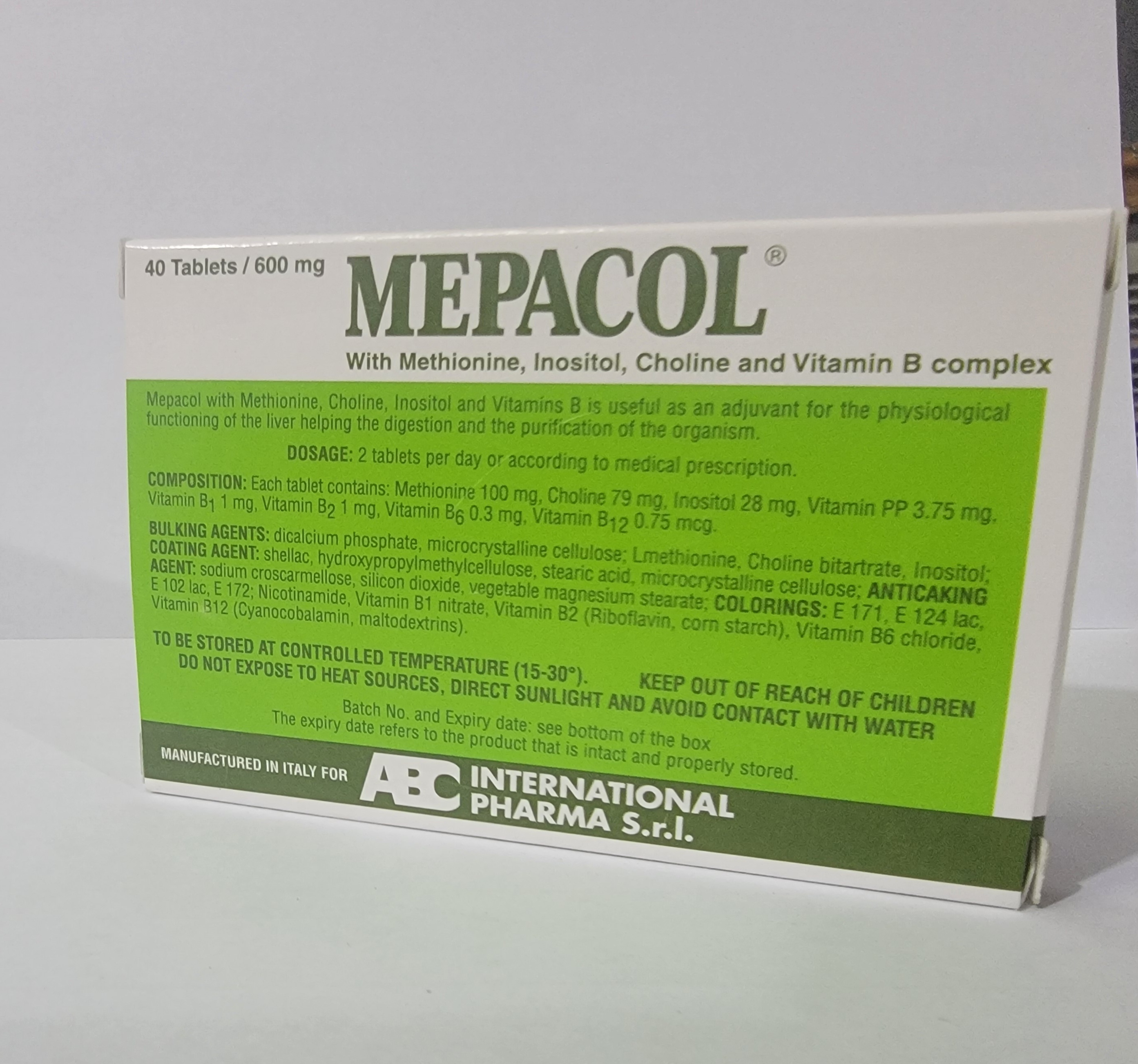
Mepacol tablet
100mg/28mg/79mg
Mesalamine
4g/60mL
Methotrexate
2.5mg
Methylprednisolone
40mg
Misoprostol
200mcg
Nadolol
40mg
Natalizumab
300mg
Nifedipine
10mg
Octreotide
100mcg/mL
Octreotide LAR
20mg
Olsalazine
250mg
Ondansetron
8mg
Ozanimod
0.92mg
Palonosetron
0.25mg
Pancrelipase
10,000 USP
Plecanatide
3mg
Polyethylene Glycol 3350 (PEG)
17g
Propranolol
20mg
Rabeprazole
20mg
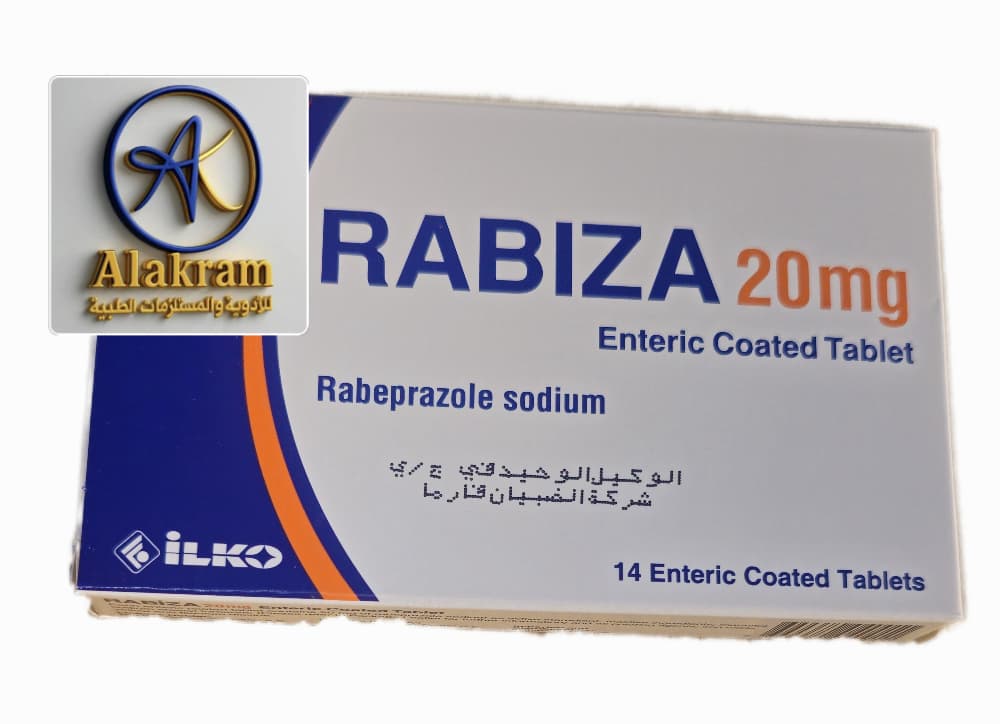
Rabiza 20mg tablet
20mg
Ranitidine
150mg
Rifaximin
200mg
Senna
8.6mg
Sucralfate
1g
Sulfasalazine
500mg
Tacrolimus
1mg
Tadalafil
20mg
Telotristat Ethyl
250mg
Terlipressin
1mg
Tetracycline
500mg
Tofacitinib
10mg
Topoprazan
40mg
UDCA
500mg
Upadacitinib
45mg
Ursodeoxycholic Acid (UDCA)
250mg
Ustekinumab
90mg
Vedolizumab
300mg
Veltassa
8.4 g
Baclofen Pump Refill
Varies
Chlorzoxazone and Paracetamol Tablet
Chlorzoxazone 250mg / Paracetamol 325mg
Cyclobenzaprine
10mg
Duloxetine
30 mg
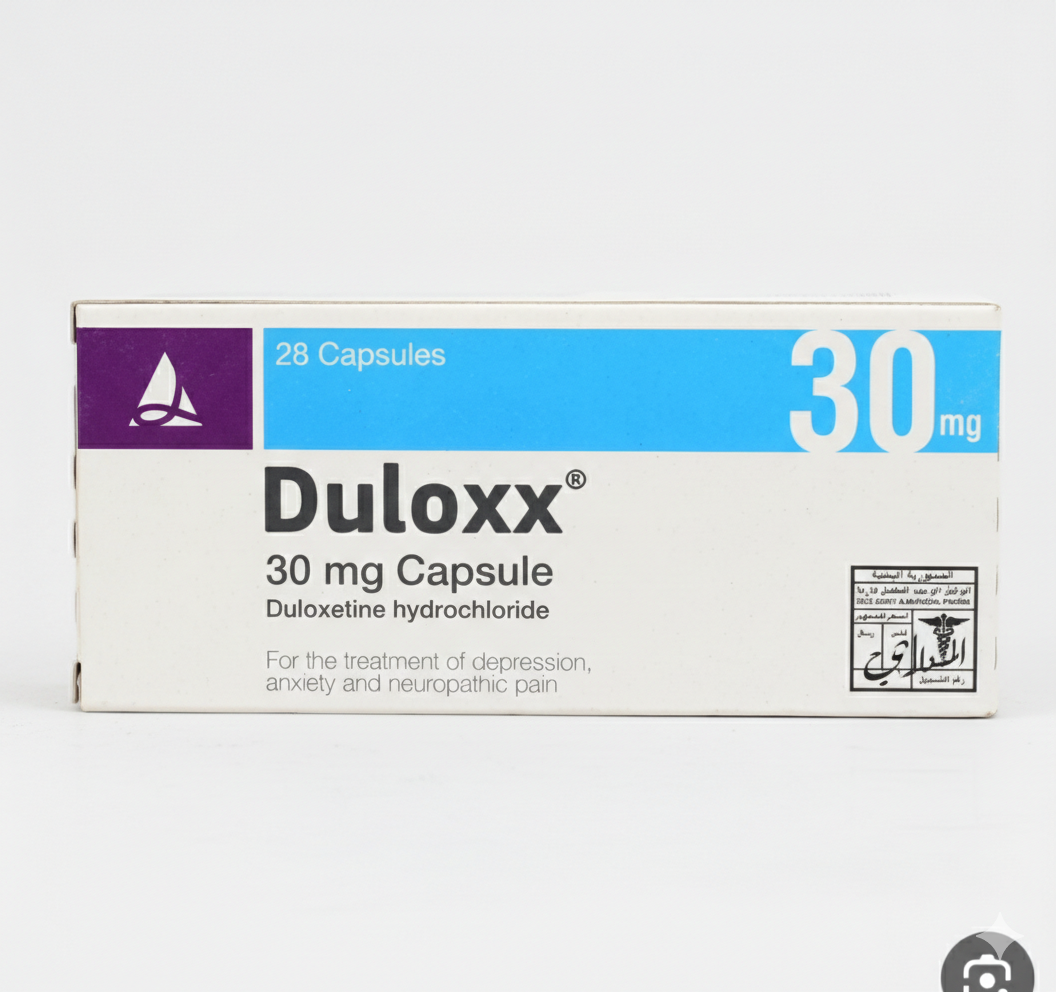
Duloxx
30
Dyrd-M Tablet
Not specified
Flexilax (Chlorzoxazone)
Variable (e.g., 250mg, 500mg)
Gabapentin
300 mg
Gabapentin Enacarbil (Horizant)
300mg
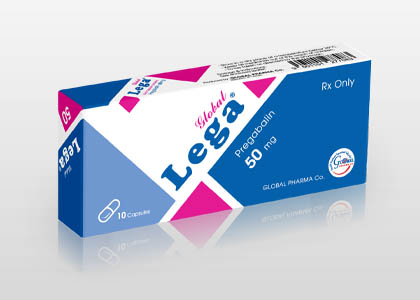
Lega
50 mg
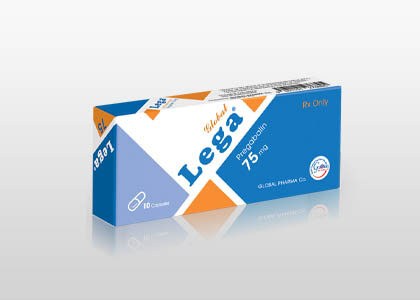
Lega
75mg
Lyrolin (Pregabalin)
75mg
Mecovit DT
Methylcobalamin 1500mcg, Alpha Lipoic Acid 100mg,
Methocarbamol
500mg
Methylcobal (Vit B12) (ID:242)
500mcg
Muskopar
8mg
Myonal (Eperisone)
50mg
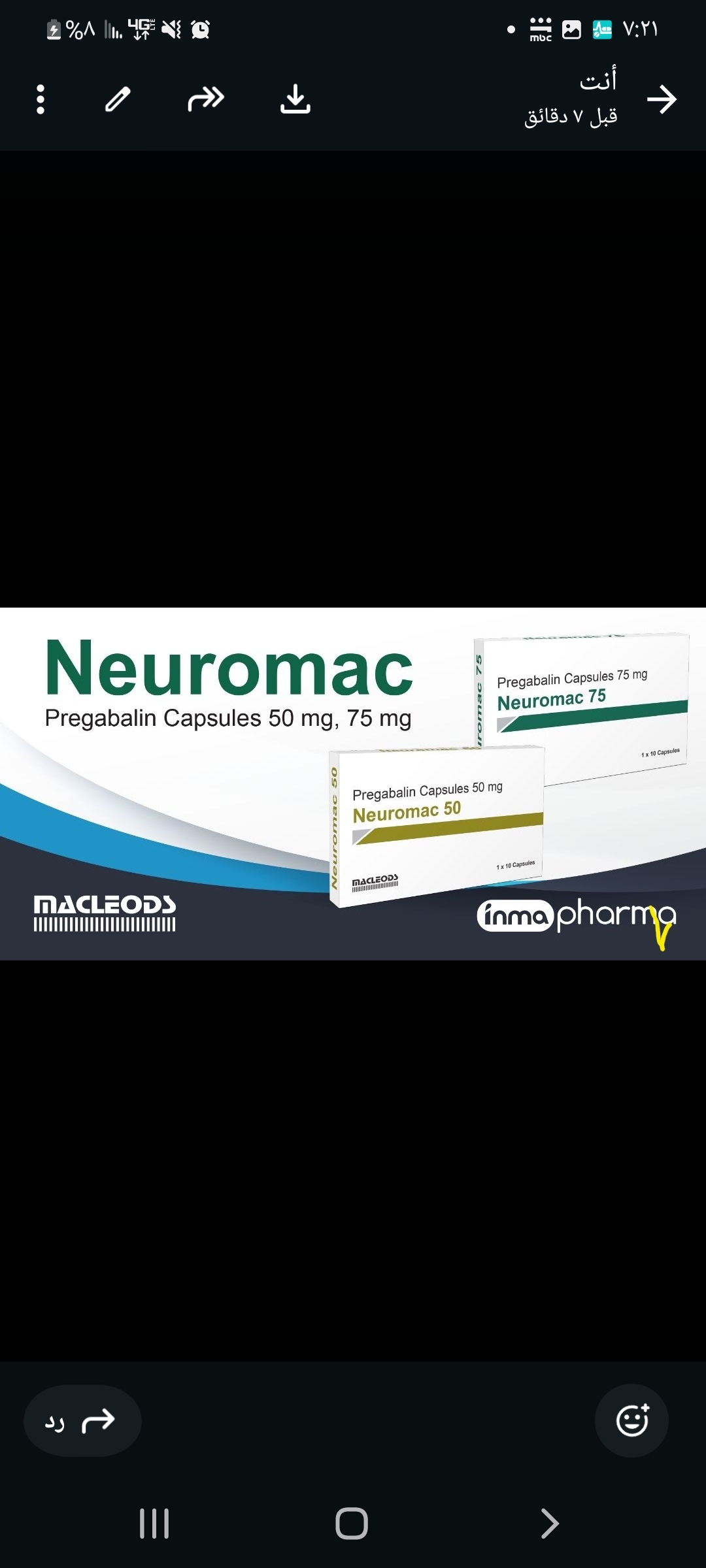
Neuromac75
75
Orphenadrine
100mg
Thiocolchicoside Cream
0.25%
Thiotacid Compound
Alpha-Lipoic Acid 600mg, Thiamine Mononitrate 100m
Thiotex Fort
8mg
duloxx 30
30mg
Ambezim-G
Not specified
Arthriflex
Menthol 10%
Aspirin
100 mg
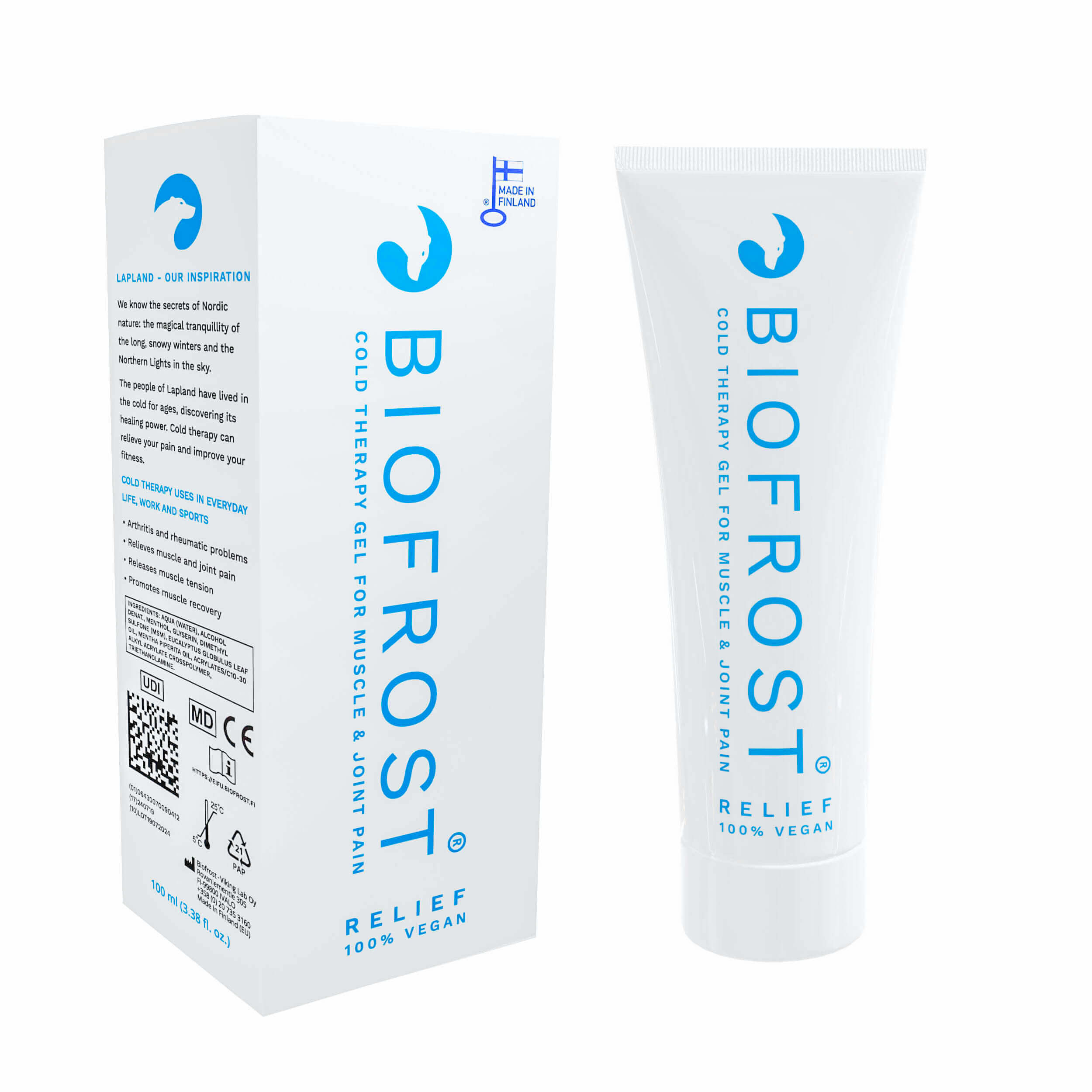
Biofrost relief cold gel tube 100ml
Mentha Piperita Oil, Menthol ,MSM , Eucalypts Oil
Celecoxib (Assumed)
Unknown
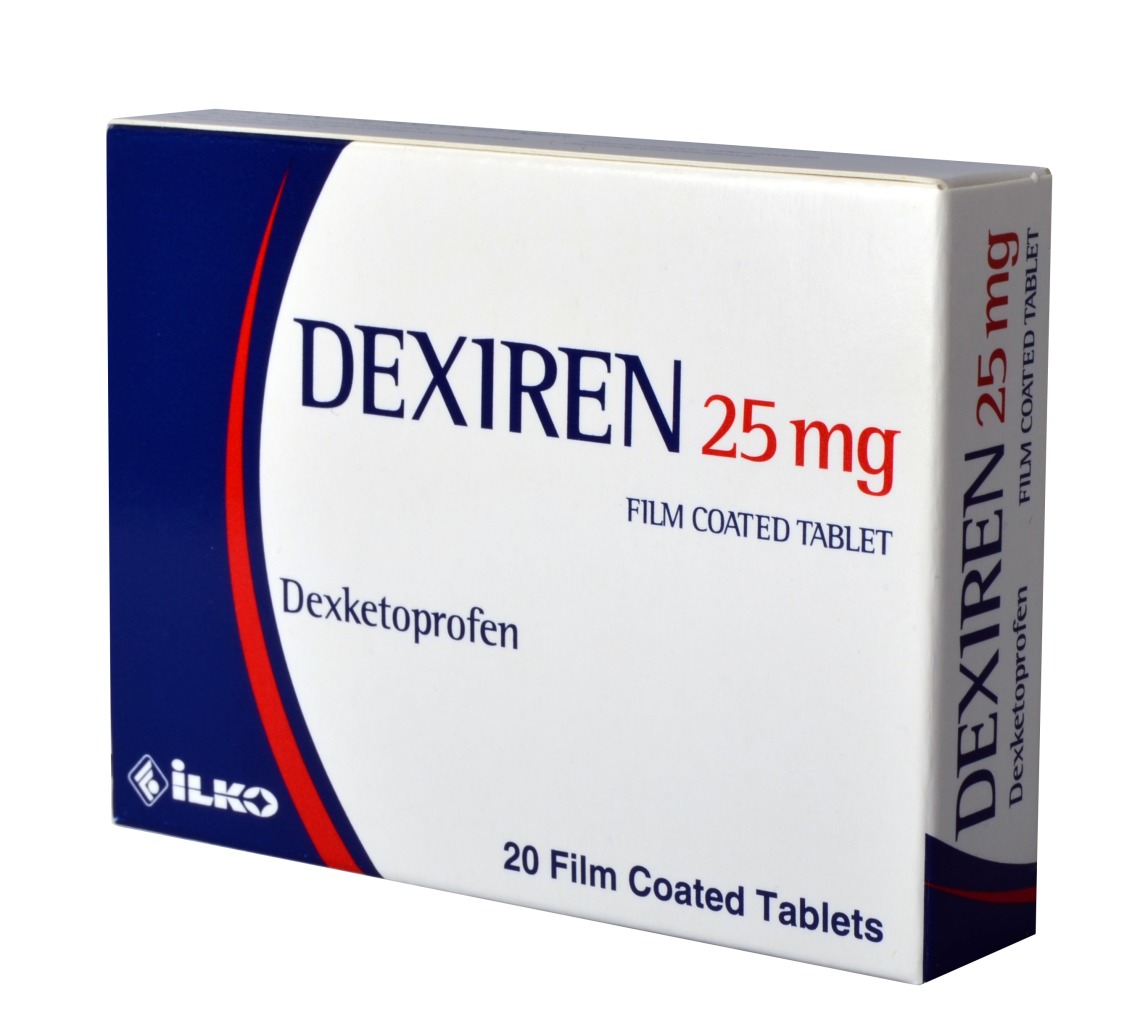
Dexiren 25mg tablet
25mg
Dexketoprofen
25 mg
Dexketoprofen 25 mg Oral Jelly
25 mg
Diclofenac Potassium Sachet
50mg
Diclofenac Sodium
75 mg
Diclofenac Topical Cream
1%
Diclofenac Topical Gel
1%
Diclofenac Topical Ointment
1%
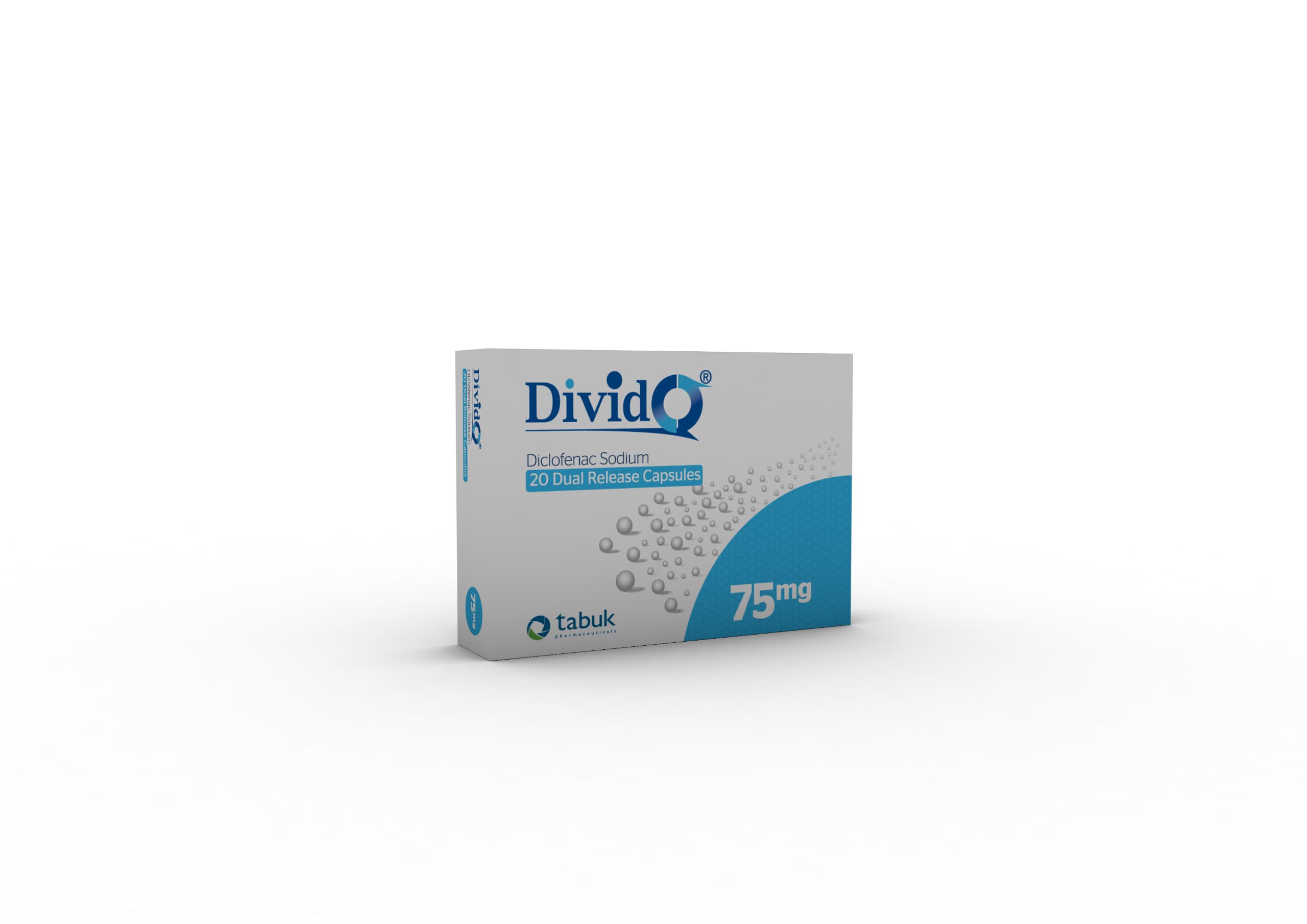
Divido 75 mg cap
75 mg
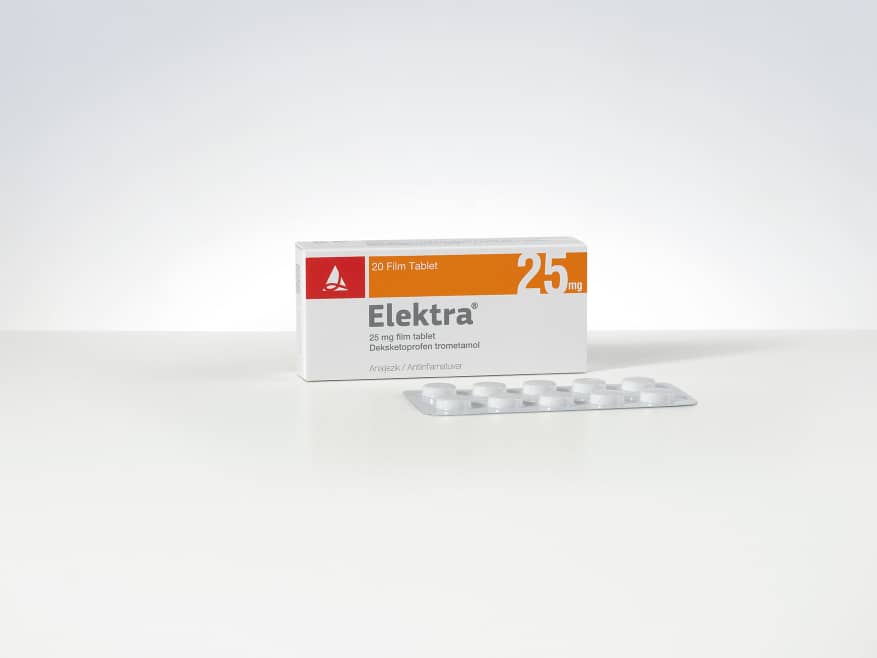
Elektra
25mg
Emuflex Cream
70 mg
Etodolac
400 mg
Etoflam
60 mg
Etol Fort tablets
400 mg
Etoricoxib
400mg
Etoricoxib (Etoflam)
90 mg
Etoricoxib Tablet
120 mg
FLEXEN
2.5%
Fastum Gel
2.5% w/w
Ibuprofen
Not specified
Indomethacin
75 mg
Mediflam D.T
50 mg
Mediflam Fast sachet
50 mg
Mediflam tab
50 mg
Meloxicam
25mg
Mobic (Meloxicam)
7.5mg
Mobitil (Meloxicam)
15mg
Piroxicam
15 mg
Ponstan
500mg
Profinal
100mg/5ml
Promilt-N
15 mg/1.5 mL
Proxym
300 mg
Spedifen
600 mg
Spedifen (Cleaned 395)
600 mg
Sulfax
1%
Voltaren (Diclofenac)
75mg
Zeloxim Fort
200mg
ACD-A
1000 mL
ACE Inhibitors
Standard
ARBs
Standard
Acetaminophen-Codeine
Standard
Albumin
Standard
Amiloride
Standard
Angiotensin II receptor blockers (ARBs)
Standard
Angiotensin-converting enzyme inhibitors (ACE inhibitors)
Standard
Antibiotics (for infections)
Standard
Aranesp
40 mcg / 0.4 mL
Arm Brace
N/A
Arm Sling
N/A
Basiliximab
Standard
Benlysta
200 mg / mL
Bone Guard
150mg
Bortezomib
Standard
Cal-D-Up
Unspecified
Calcineurin inhibitors (e.g., Tacrolimus, Cyclosporine)
Standard
CellCept
500 mg
Cervical Collar
N/A
Cervical Collar, Hard
N/A
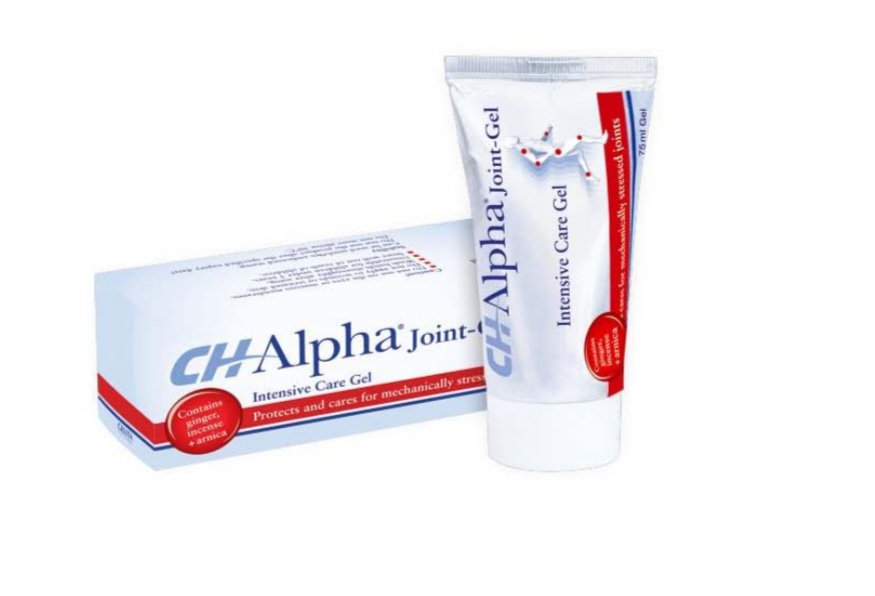
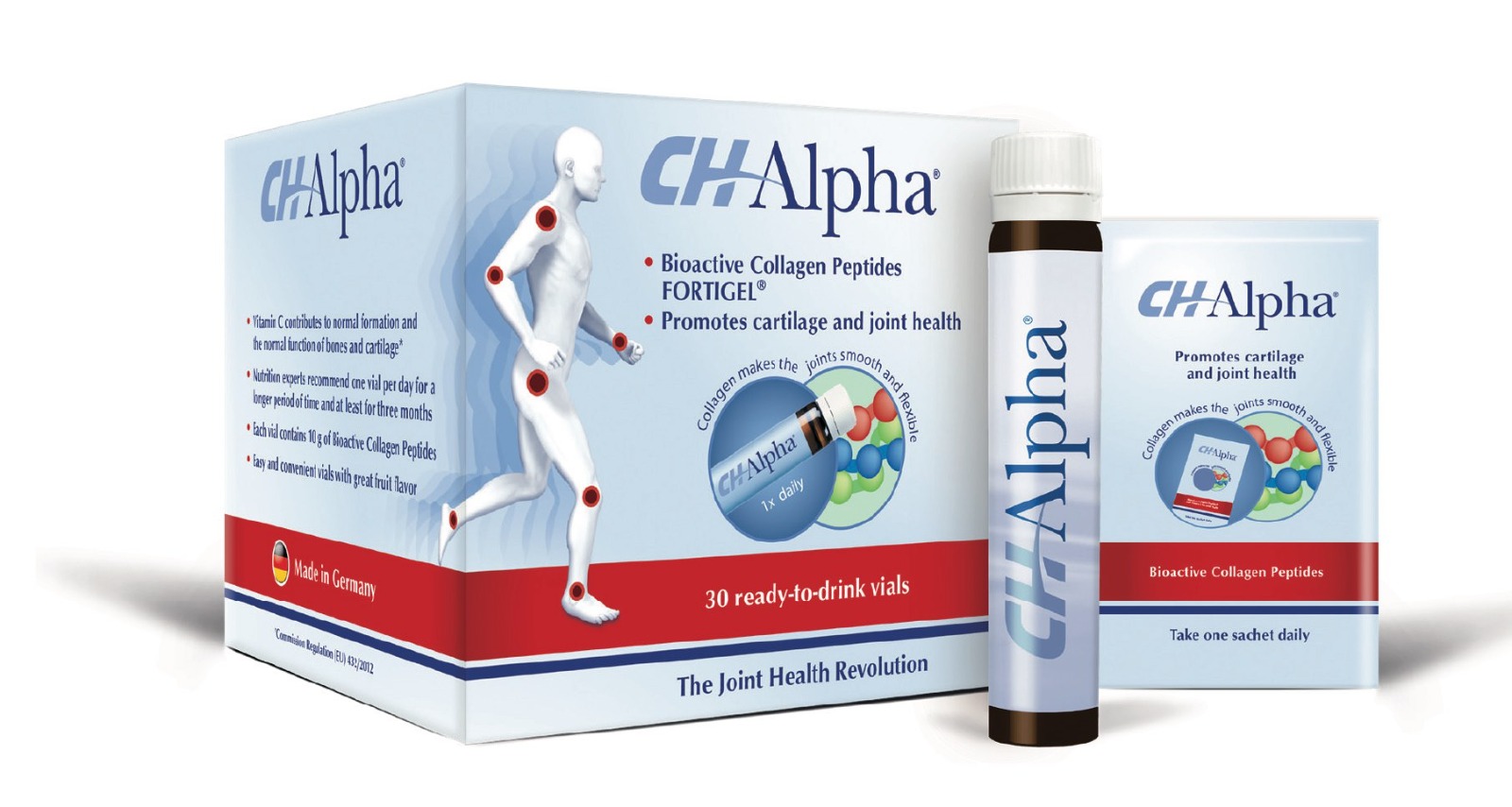
Ch alpha gel
75ml
Cidofovir
Standard
Corticosteroids
Standard
Corticosteroids (e.g., Methylprednisolone)
Standard
Cuprimine
250 mg
Cyclophosphamide
Standard
Cytoxan
50 mg
Danzan Tablets
10 mg (20,000 IU)
Deanxit
Flupentixol 0.5 mg / Melitracen 10 mg
Diacerein
50 mg
Dialysis Solution
Standard
Diuretics
Standard
Dobutamine
Standard
Eculizumab
Standard
Elbow Hard Brace
N/A
Elitek
1.5 mg
Empaveli
1080 mg / 20 mL
Enbrel
50mg/ml
Etoritan
90 mg
Evrenzo
50 mg
Febuxostat 80 mg
80 mg
Femara (Assumed)
Unspecified
Fluconazole
150 mg
Foscarnet
Standard
Fresh Frozen Plasma
Standard
GLP-1 Receptor Agonists
Standard
Gabapentin Cream
10%
Gazyva
1000 mg / 40 mL
Gentamicin
Standard
Hard Cervical Collar
N/A
Humira
40mg/0.8ml
Hydroxyapatite Paste (Injectable)
100mg
Hydroxychloroquine
200 mg
Hypertonic Saline
Standard
Ibandronate
150 mg
Immunosuppressants (e.g., Tacrolimus, Mycophenolate Mofetil, Prednisone)
Standard
Immunosuppressants (e.g., corticosteroids, azathioprine)
Standard
Imuran
50 mg
Intravenous Immunoglobulin (IVIG)
Standard
Intravenous fluids (e.g., Normal Saline)
Standard
Itraconazole
200 mg
Jesduvroq
2 mg
Jynarque
45 mg AM / 15 mg PM
Ketamine Cream
10%
Ketoconazole Cream
2%
Ketosana gel
2.5
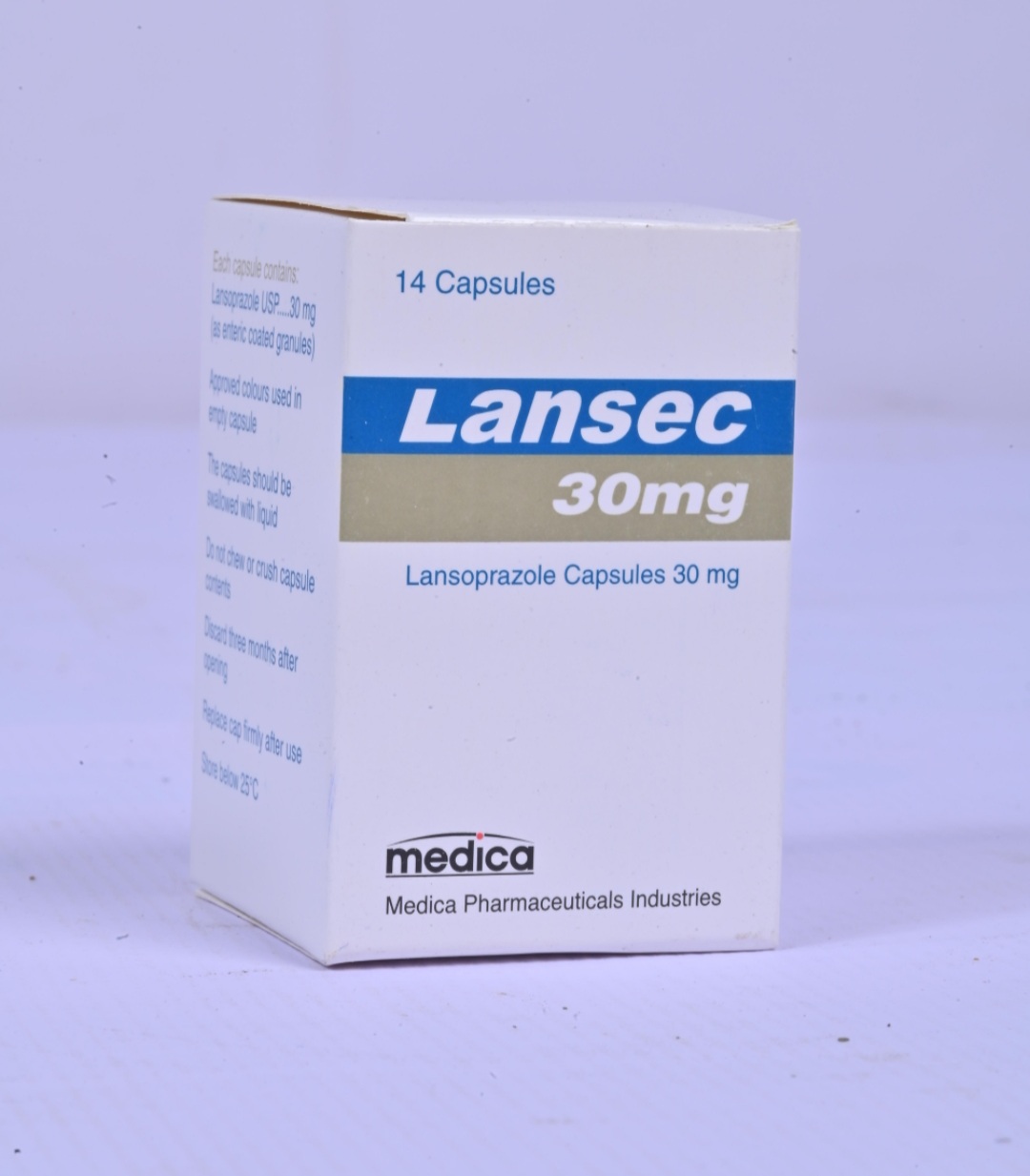
Lansec 30mg
30mg
Lantak (Lansoprazole)
30mg
Lasix (Furosemide)
40mg
Laxido
13.125g
Lenalidomide
Standard
Letermovir
Standard
Levetiracetam
Standard
Lithostat
250 mg
Lomac (Omeprazole)
20mg
Lomed cap
20 mg
Loop diuretics (e.g., Furosemide) - use with caution and only if fluid overloaded
Standard
Loratadine
10 mg
Lorazepam
Standard
Lumbo-Sacral Orthosis (Hard Brace)
N/A
Lupkynis
7.9 mg
Magnesium Oxide
Standard
Mannitol
Standard
Methoget (Methotrexate)
2.5mg
Methotrexate 15mg Weekly
15mg
Midodrine
Standard
Mircera
50 mcg / 0.3 mL
Mycophenolate Mofetil
Standard
Myfortic
360 mg
N-acetylcysteine - if nephrotoxic insult is suspected and within treatment window
Standard
Neoral
100 mg
Nexium (Esomeprazole)
40mg
Norepinephrine
Standard
Noxilorn
8mg
Nulojix
250 mg
Oflox
400mg
Ondansetron 4mg (PRN Nausea)
Standard
Osteo Alph
0.25 mcg
Oxlumo
94.5 mg / 0.5 mL
Panocer
40 mg
Pantodar
40 mg
Pantoscot
40 mg
Pepzol
20 mg
Perthes Abduction Brace
N/A
Piperacillin-Tazobactam
Standard
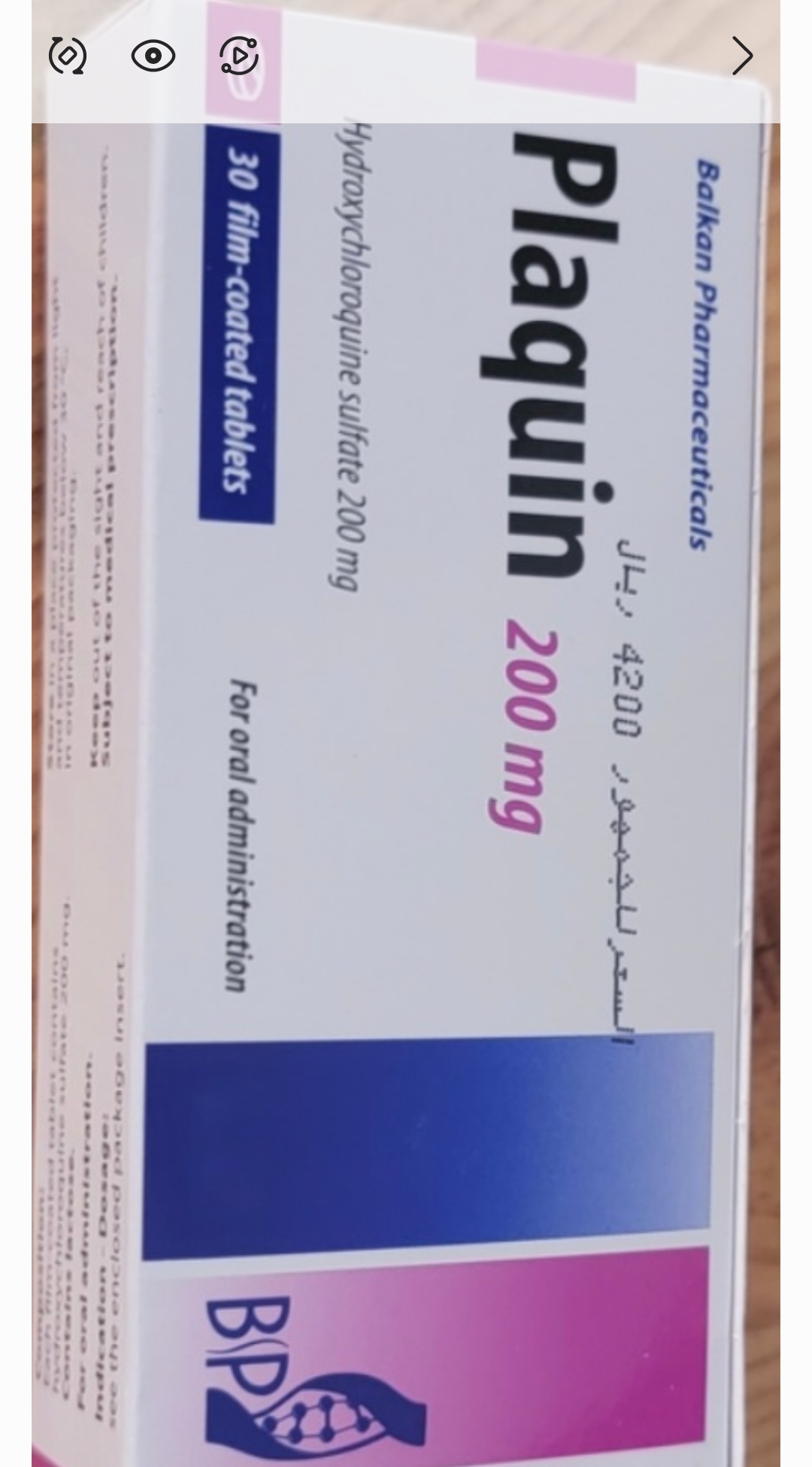
Plaquin
200 mg
Plasil
10 mg/2 mL
Plasma exchange
Standard
Plasmapheresis
Standard
Plexadol
50 mg
Potassium Chloride
Standard
Potassium Citrate
Standard
Potassium binders (e.g., Sodium Polystyrene Sulfonate)
Standard
Power B12
500 mcg
Prednisolone
Standard
Prireptol
75mg
Prograf
1 mg
Promovia Hydroblance
100mg
Proteasome Inhibitors (e.g., Bortezomib)
Standard
Rapamune
1 mg
Ravulizumab
Standard
Reparil
20 mg
Revarox
10 mg
Rigid Knee Brace
N/A
Rituxan
100mg/10ml
Rituxan
500 mg / 50 mL
Rituximab
Standard
Rivarox
15 mg
SGLT2 Inhibitors
Standard
Samsca
15 mg
Secjoint
90 mg
Senokot
8.6mg
Silicone Heel Pad
N/A
Simulect
20 mg
Sodium Citrate
Standard
Sodium Thiosulfate
250 mg / mL
Sodium bicarbonate - for severe metabolic acidosis
Standard
Soliris
300 mg / 30 mL
Spinal Needle
16G
Suboxone
8mg/2mg
Sunday
5000 IU
THAM
0.3 M / 500 mL
Tapentamed
50mg
Tavneos
10 mg
Thiola
100 mg
Thiotacide
300mg
Thoracolumbosacral Orthosis (TLSO) Brace
N/A
Thymoglobulin
25 mg / Vial
Uloric
40 mg
Unidentified Medication (Original input "Olca ,25" does not correspond to a recognized medication name. Please verify.)
25mg (Assumed based on "25" in input, but active i
Unitaxime M
1g
Unitiaxone
1g
Wrist Brace
N/A
Xopan
40mg
Zedrfy
500mg
Zortress
0.75 mg
Zurcal
40mg
Zyloprim
100 mg
Zyloric (Allopurinol)
100mg
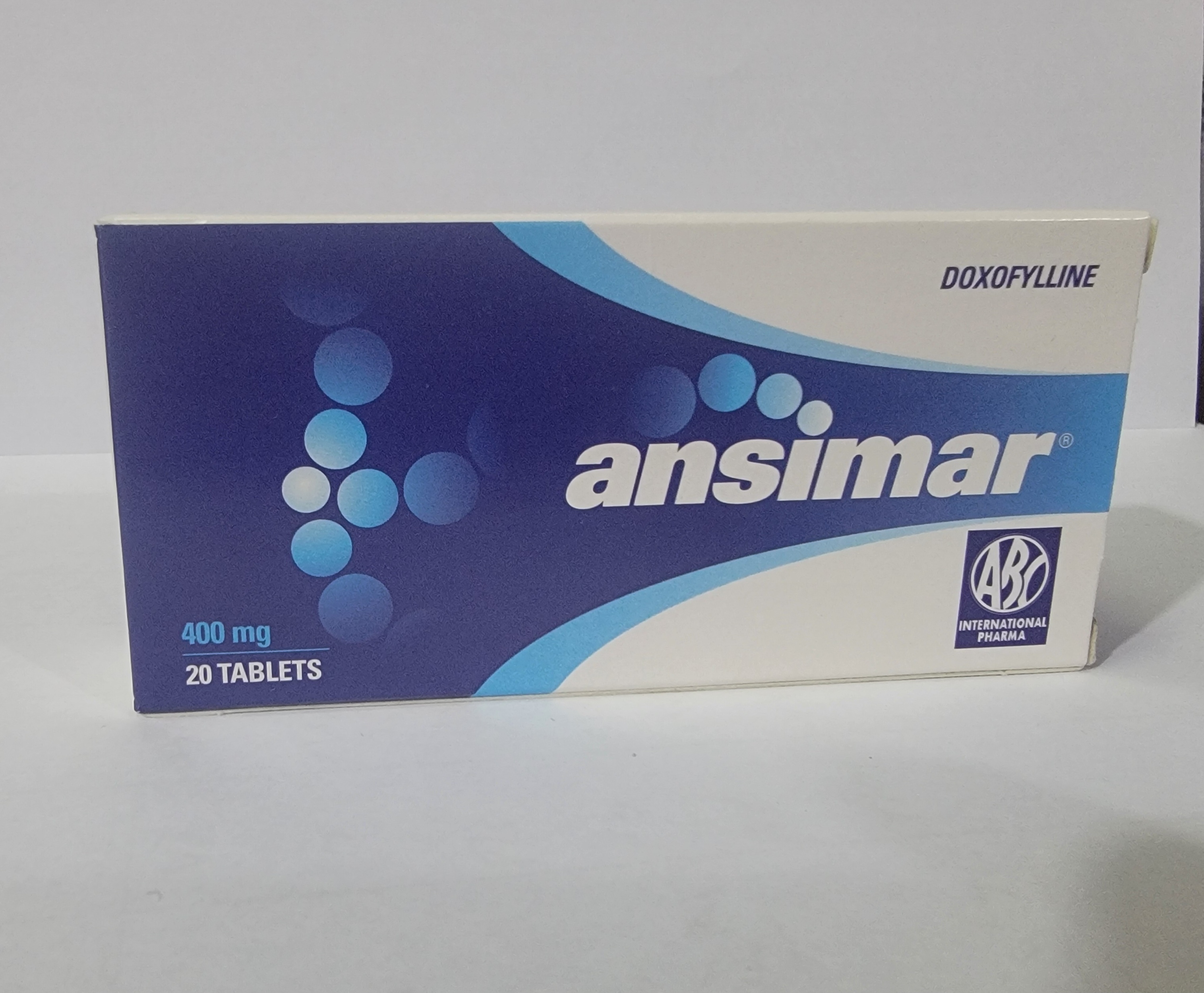
Ansimar tablet
400mg
Arthri-Flex Cream
Varies by formulation
ArthroFlex Tablet
Varies by formulation; typically a combination of
Auryxia
210 mg (Ferric Iron)
Bioheal D3 Tablet
1000 IU
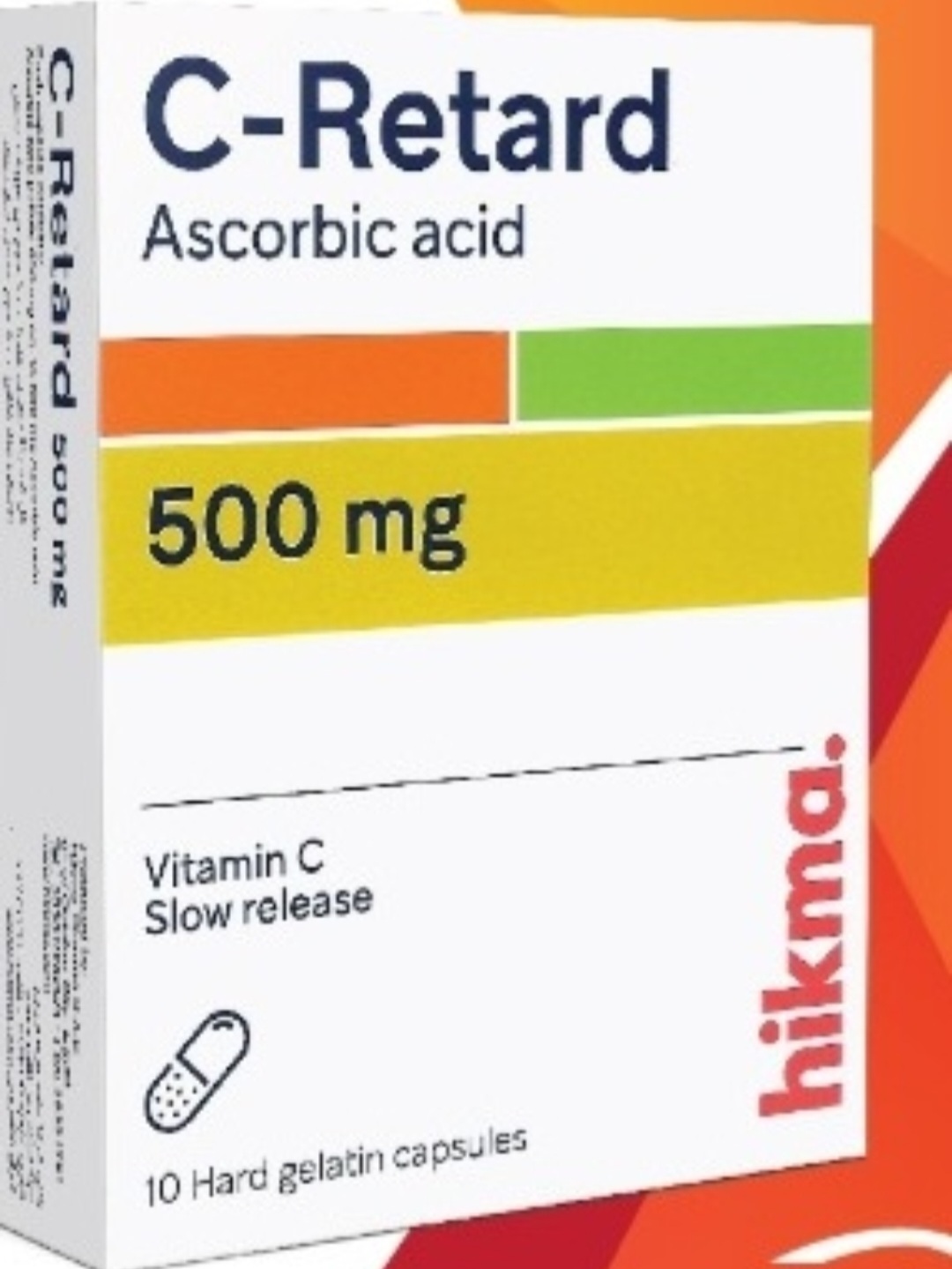
C-Retard
500mg
CH Alpha plus
Hydrolysed Collagen FORTIGEL® 5g
CH-Alpha Oral Solution
Collagen Hydrolysate 10g
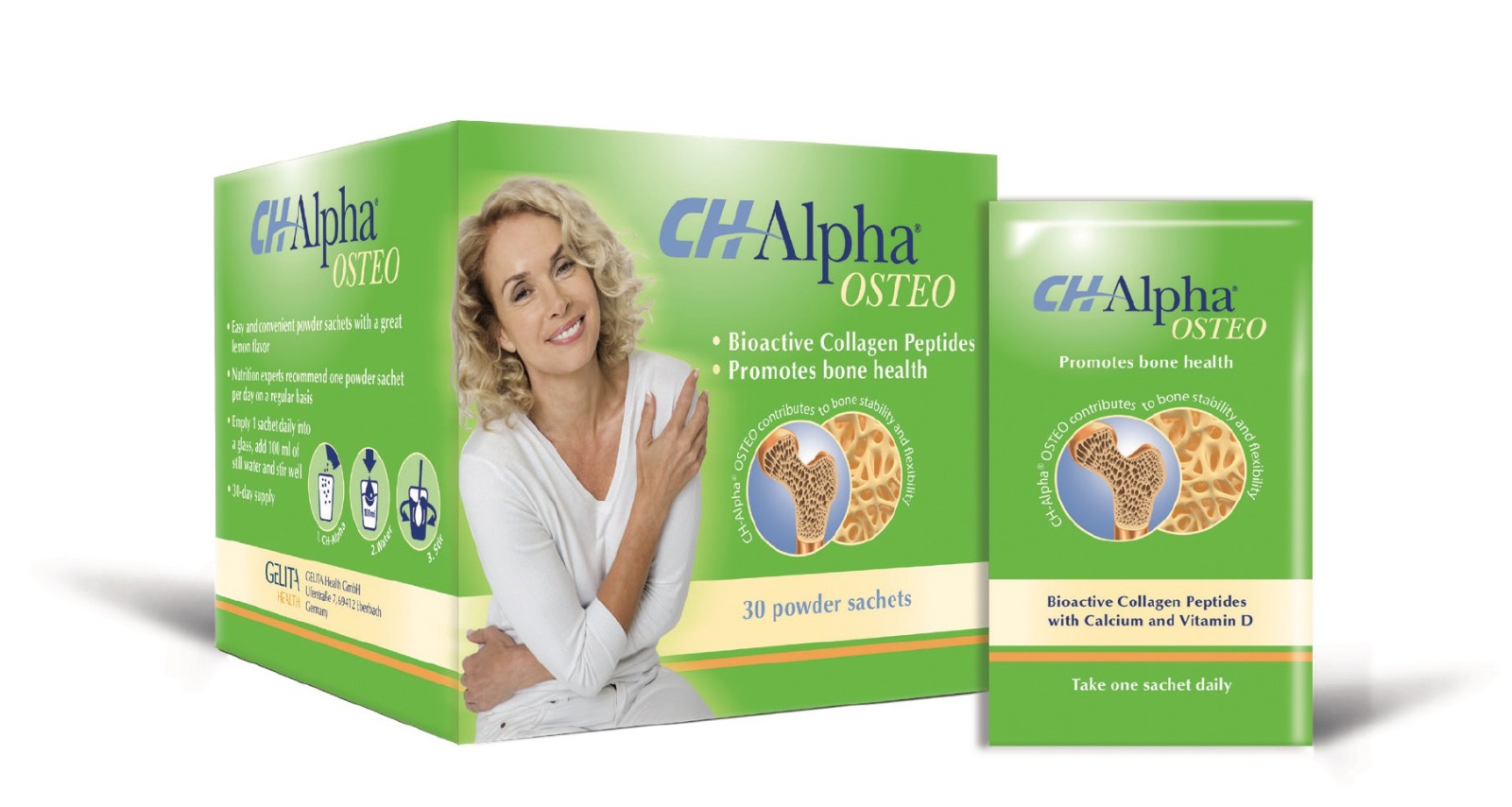
CH-Alpha Osteo
Collagen Hydrolysate 5g ,calcium500mg ,VitD3 400IU
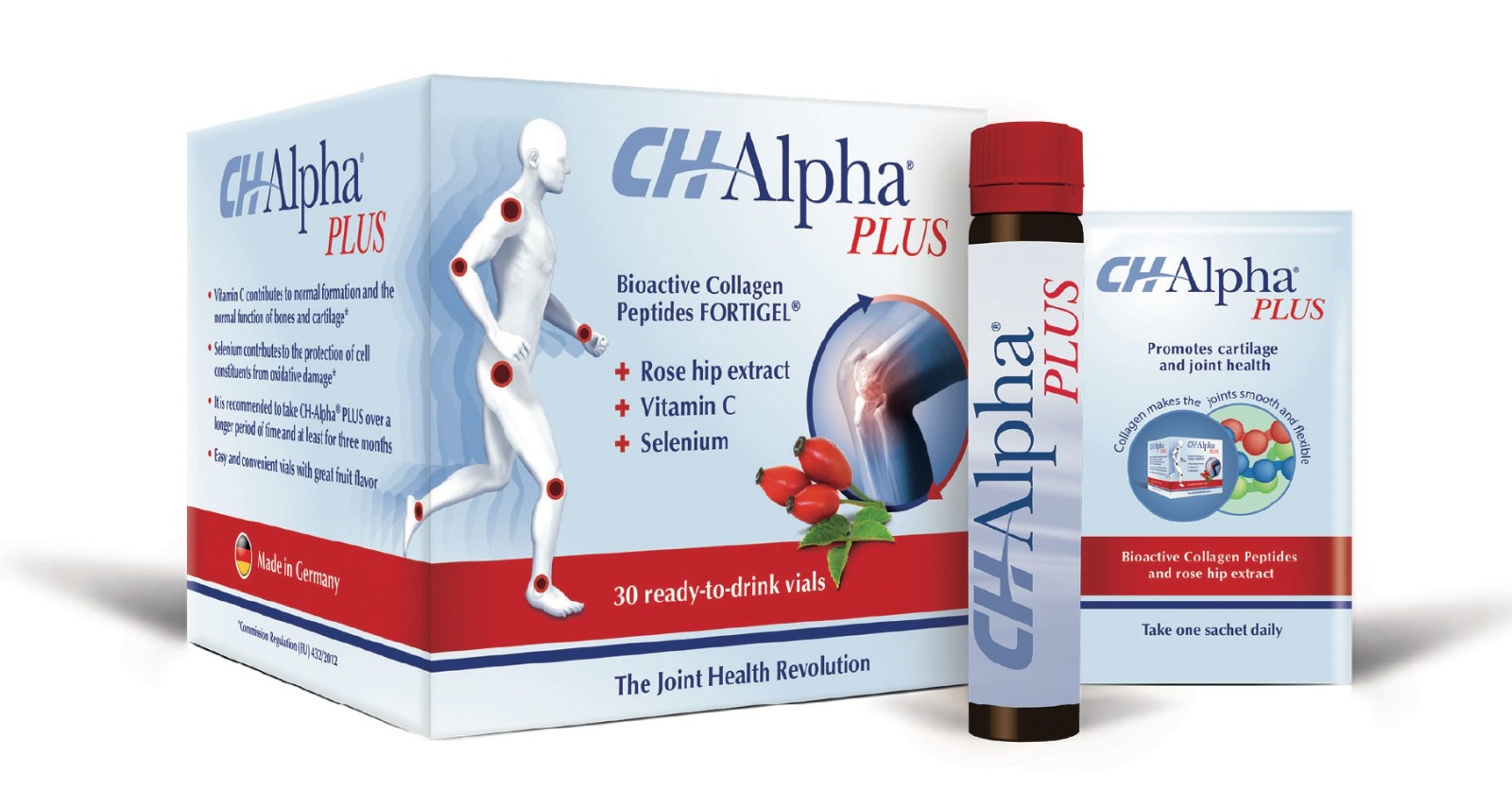
CH-Alpha Plus
Hydrolysed Collagen FORTIGEL® 5g
Calcitra tablet
elemental 200mg
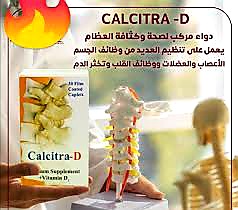
Calcitra-D
elemental 200mg
Calcium Carbonate/Vitamin D3
600mg elemental Calcium / 400 IU Vitamin D3
Calcium Citrate
500mg
Calcium Citrate with Vitamin D3
600mg / 400 IU
Calcium and Vitamin B12
Strength not specified in record
Calcium, Magnesium, Zinc
Varies (e.g., Calcium 1000mg, Magnesium 400mg, Zin
Calcium, Zinc, and Vitamin D3
Calcium 500mg, Zinc 7.5mg, Vitamin D3 400IU
Cartigen D
Varies
Collagen Joint Support Oral Solution
Not specified (per 500mL bottle)
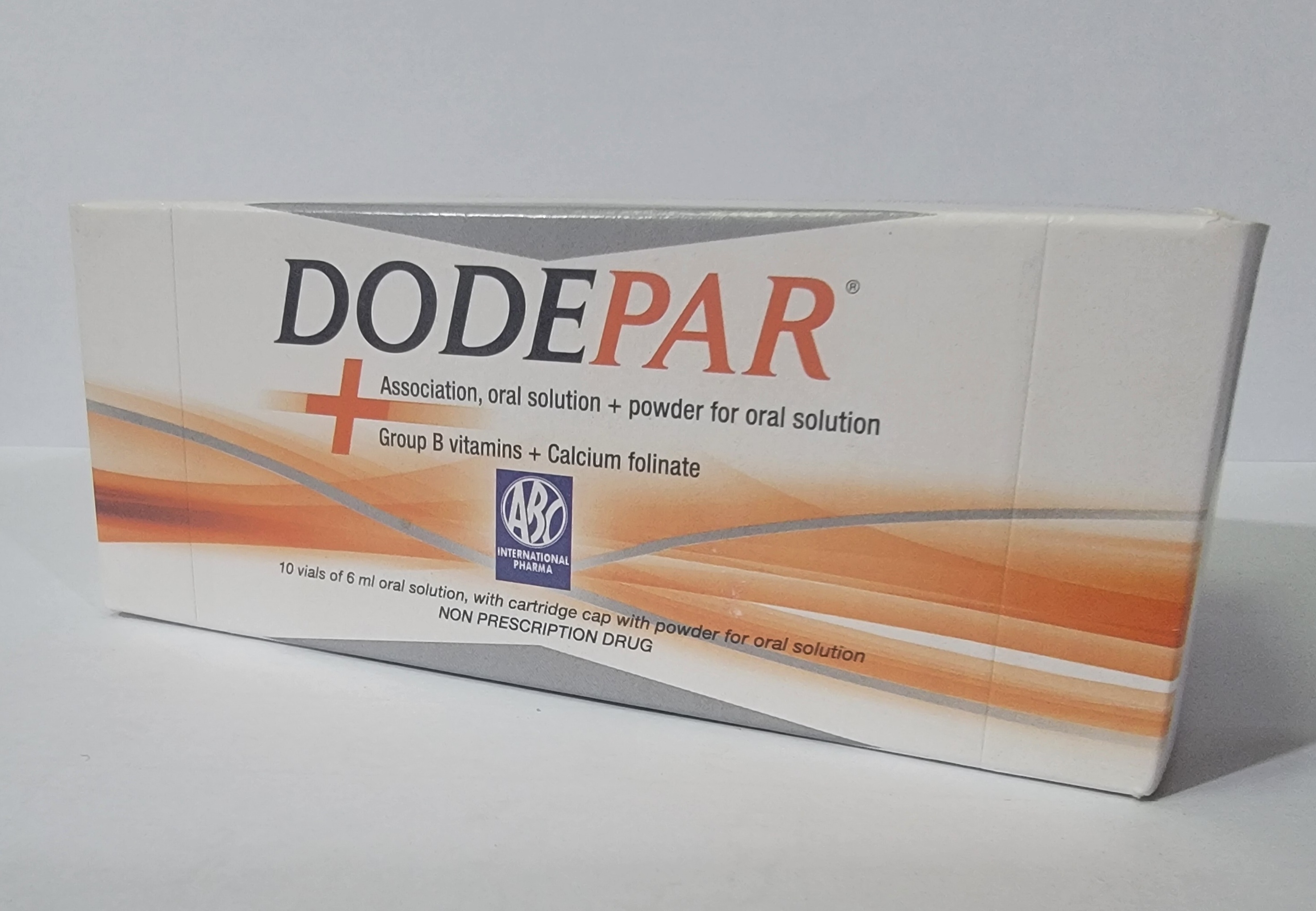
DODEPAR ORAL VIAL
1000mcg/500mcg/5mg/6.1mg/10mg
Devit-3
300,000 IU
Diacerin
50 mg
Feraheme
510 mg / 17 mL
Ferric Carboxymaltose
50 mg/mL (1000 mg/20 mL vial)
Ferrous Fumarate
Not specified
Folic Acid
5 mg
Fosrenol
500 mg
Genuphil
Glucosamine Sulfate 750mg, Chondroitin Sulfate 600
Glucosamine
500mg
IV Iron (Ferric Carboxymaltose)
750mg
Injectafer
750 mg / 15 mL
Iron (Ferrous Sulfate)
325mg
Jointace
Varies (combination product)
MECOKEM B12 Tablets
500 ميكروجرام
MSM Cream
Various concentrations
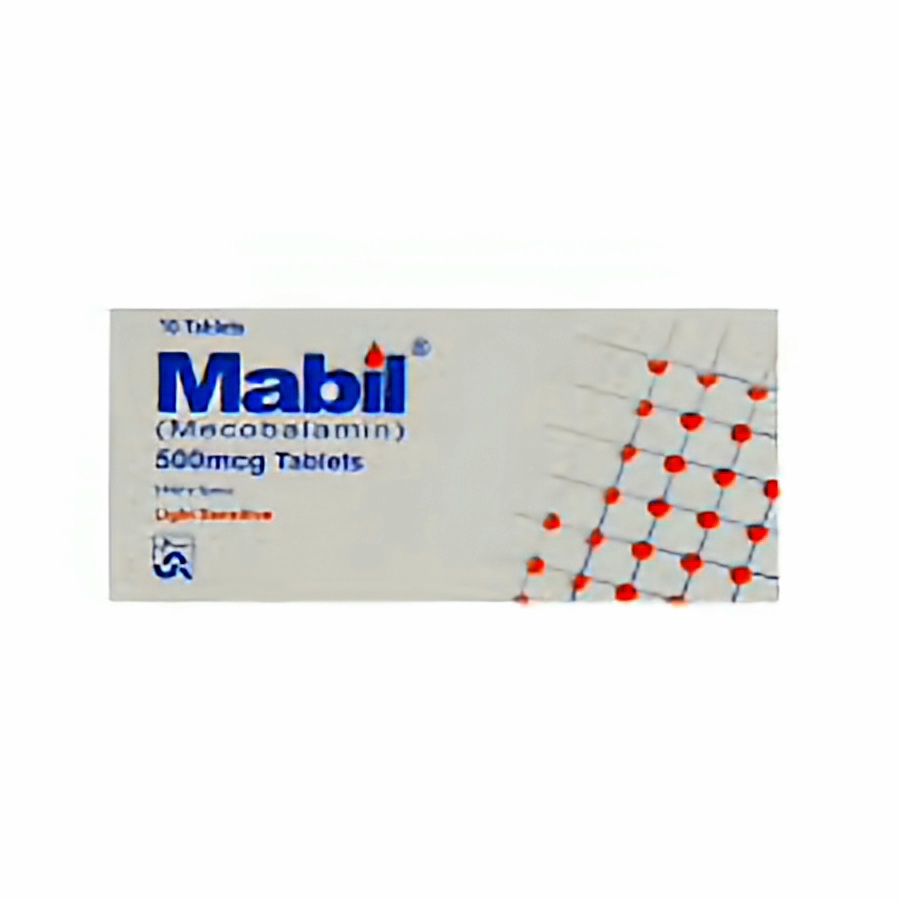
Mabil
500mcg
Mabil500mcg
500mcg
Maltofer
100 mg (elemental iron)
Marcal
700mg
Metaferol
Multi-ingredient, strength varies per 5mL
Methylcobalamin
500 mcg
Multivitamin with Minerals
Varies by formulation
Muvit D3 + K2
50,000 IU Cholecalciferol / 100 mcg Menaquinone-7
Myophytum
Varies per capsule, refer to product label
Nutraxin Vitals Vitamin C
Not specified
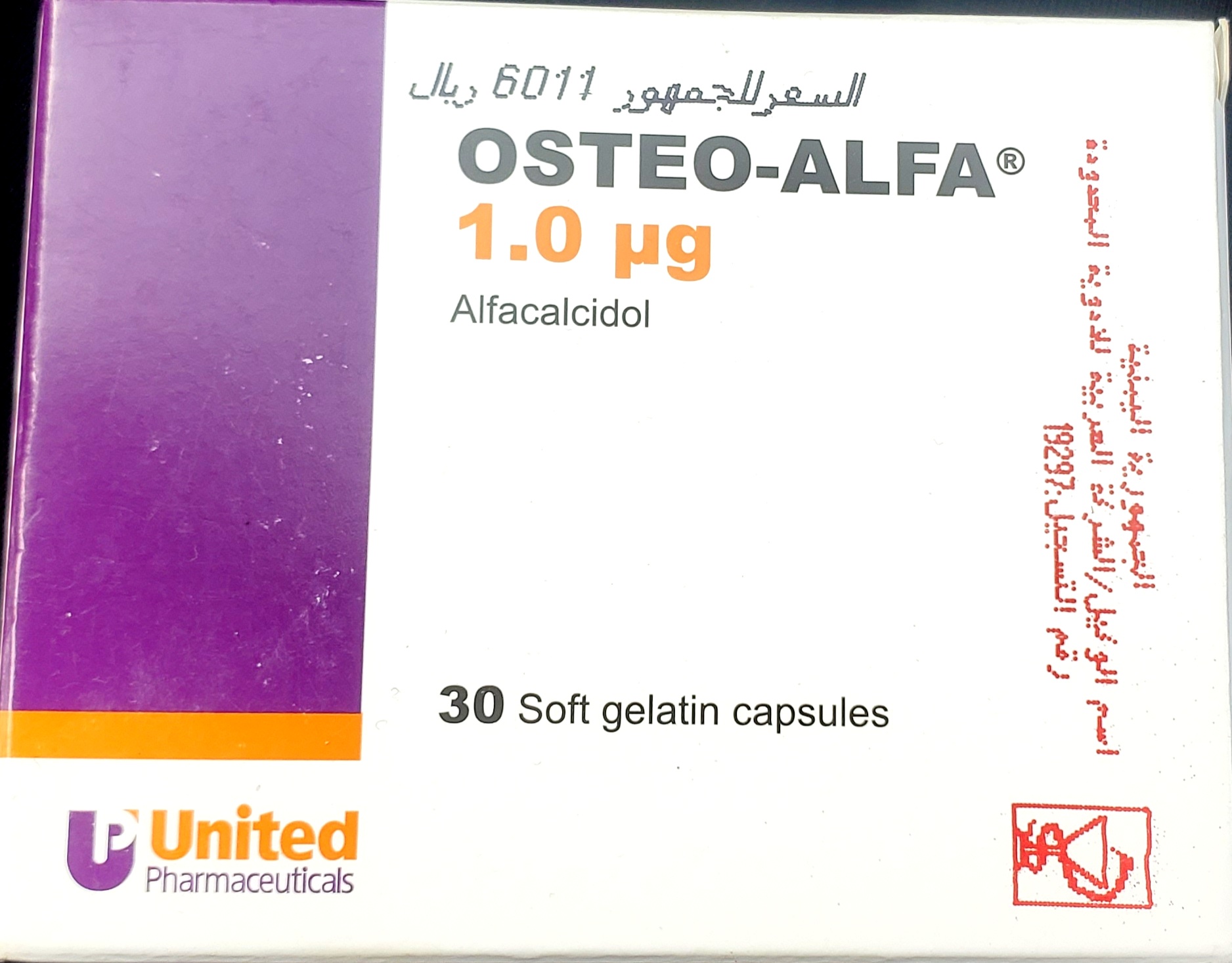
Osteo Alfa
1 micro
Osteocare
Calcium 1000mg / Vitamin D3 400 IU
Osteocare Plus
Per 2 tablets: Calcium 800mg, Vitamin D3 10mcg (40
Osteoheal-D
Calcium Carbonate 600mg, Cholecalciferol 400 IU
Osteoheel
N/A
Ostestop vitamin D3 50000
50,000 IU
PhosLo
667 mg
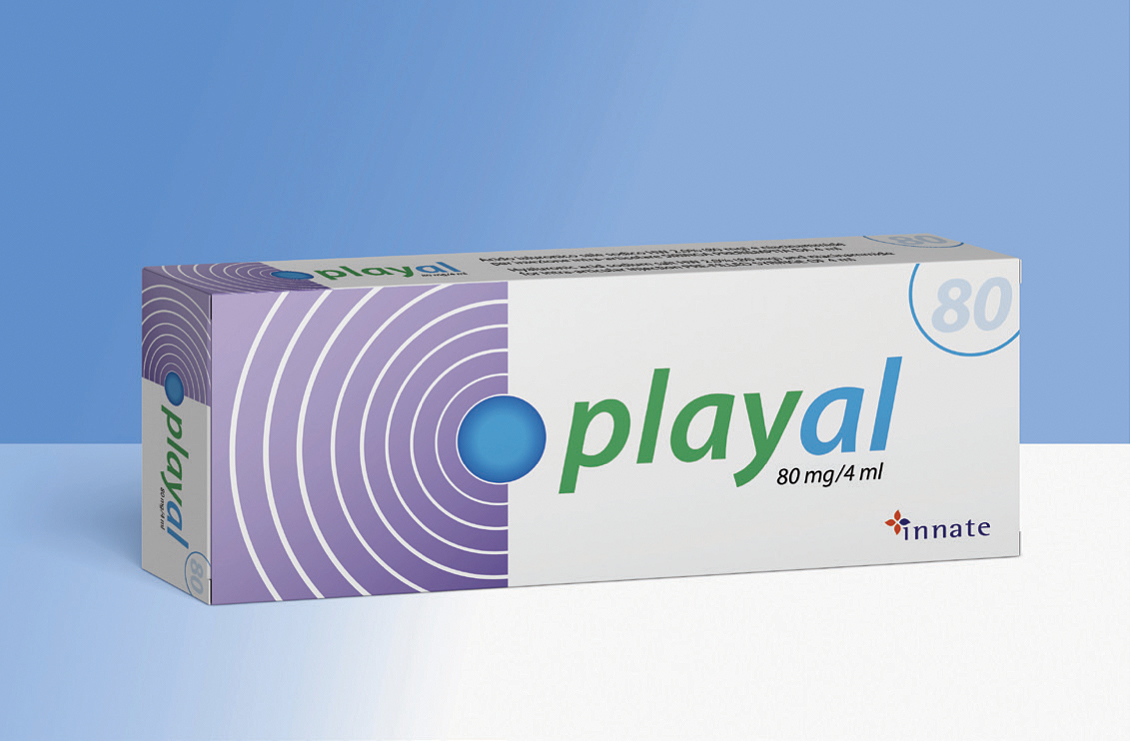
Playal
80mg + 20mg
Renvela
800 mg
Secjiont
0.2% (typically)
Shohl's Solution
500 mg / 5 mL
Sodium Bicarbonate
650 mg
Tothema
50mg elemental iron/10mL
Urocit-K
10 mEq
Velphoro
500 mg
Venofer
100 mg / 5 mL
Vitamin B12 (Cyanocobalamin)
1000mcg
Vitamin B12 Oral Disintegrating Film
Not specified
Vitamin B6
50 mg
Vitamin C
1000mg
Vitamin D3
Varies (e.g., 1000 IU, 5000 IU, 50000 IU)
Vitamin D3 (Cholecalciferol)
50,000 IU
Vitamin D3 50,000 IU
50,000 IU
Zinc Sulfate
220mg
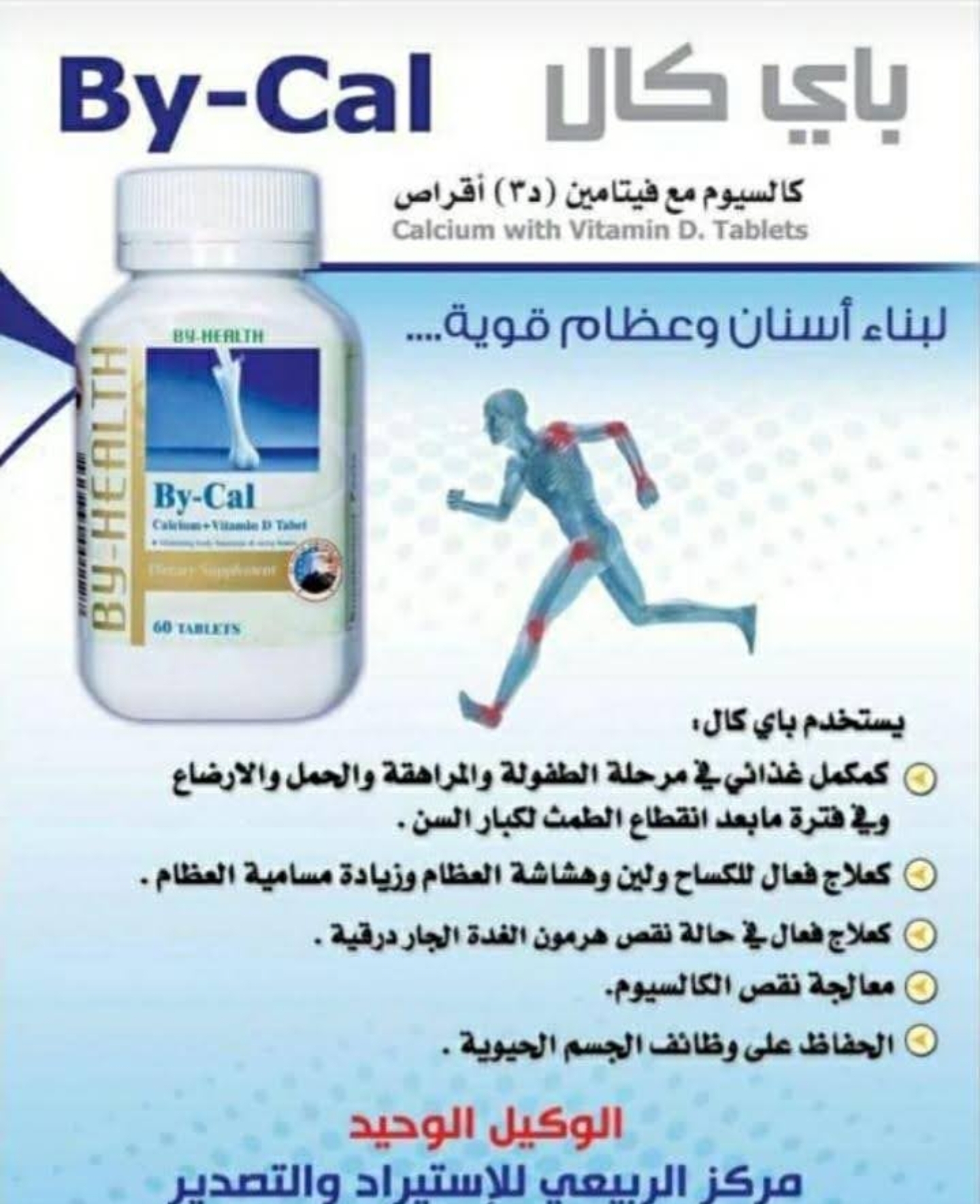
by cal
400 mg
Share this guide: