Clinical Assessment & Protocol
Typical Presentation (HPI)
EN: Patient presents with chronic, widespread musculoskeletal pain persisting for >3 months, involving all four quadrants of the body. Reports associated symptoms including fatigue, non-restorative sleep, cognitive dysfunction ("fibro-fog"), and morning stiffness. Denies inflammatory markers, localized joint swelling, or neurological deficits. Widespread Pain Index (WPI) and Symptom Severity (SS) scale scores are consistent with ACR diagnostic criteria. AR: يراجع المريض بشكوى ألم عضلي هيكلي مزمن ومعمم يستمر لأكثر من 3 أشهر، ويشمل الأرباع الأربعة للجسم. يبلغ المريض عن أعراض مصاحبة تشمل التعب، واضطراب النوم، والخلل الإدراكي ("ضبابية الفيبروميالجيا")، وتيبس صباحي. ينفي وجود علامات التهابية، أو تورم موضعي في المفاصل، أو عجز عصبي. نتائج مؤشر الألم المعمم (WPI) ومقياس شدة الأعراض (SS) تتوافق مع معايير التشخيص الخاصة بالكلية الأمريكية لأمراض الروماتيزم (ACR).
General Examination
EN: General physical exam reveals normal joint range of motion without synovitis or effusion. Neurological exam is non-focal. Palpation demonstrates diffuse tenderness across multiple soft tissue sites (tender points) without evidence of localized inflammation or bony pathology. No muscle atrophy or weakness noted. AR: يكشف الفحص البدني العام عن نطاق حركة طبيعي للمفاصل دون وجود التهاب زليلي أو انصباب. الفحص العصبي غير بؤري. يظهر الجس وجود إيلام منتشر عبر مواقع متعددة من الأنسجة الرخوة (نقاط الإيلام) دون وجود دليل على التهاب موضعي أو أمراض عظمية. لا توجد ملاحظات بوجود ضمور أو ضعف عضلي.
Treatment Protocol
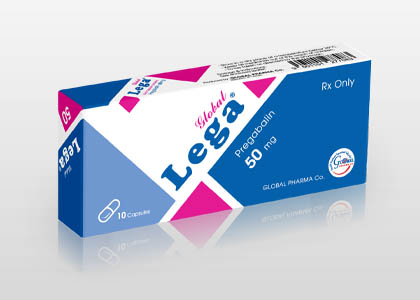
EN: Initiate multimodal management plan: 1. Pharmacotherapy: Consider SNRIs (e.g., Duloxetine) or Gabapentinoids (e.g., Pregabalin) for pain modulation. 2. Physical Therapy: Focus on low-impact aerobic exercise and graded activity. 3. Behavioral Health: Cognitive Behavioral Therapy (CBT) for pain coping strategies. 4. Sleep hygiene optimization. Follow-up in 4-6 weeks to assess therapeutic response. AR: البدء بخطة علاجية متعددة الوسائط: 1. العلاج الدوائي: النظر في استخدام مثبطات استرداد السيروتونين والنورادرينالين (مثل Duloxetine) أو الغابابنتينويدات (مثل Pregabalin) لتعديل الألم. 2. العلاج الطبيعي: التركيز على التمارين الهوائية منخفضة التأثير والنشاط المتدرج. 3. الصحة السلوكية: العلاج المعرفي السلوكي (CBT) لاستراتيجيات التأقلم مع الألم. 4. تحسين عادات النوم. المتابعة بعد 4-6 أسابيع لتقييم الاستجابة العلاجية.
Patient Education
EN: Fibromyalgia is a chronic pain syndrome characterized by central sensitization. It is not a degenerative or autoimmune disease. Management focuses on symptom control and functional improvement rather than a "cure." Consistent low-impact exercise, stress management, and maintaining a regular sleep schedule are essential components of long-term symptom stabilization. AR: الفيبروميالجيا هي متلازمة ألم مزمن تتميز بفرط الحساسية المركزية. ليست مرضاً تنكسياً أو مناعياً ذاتياً. يركز العلاج على السيطرة على الأعراض وتحسين الوظيفة بدلاً من "الشفاء التام". تعتبر التمارين الرياضية منخفضة التأثير المنتظمة، وإدارة التوتر، والحفاظ على جدول نوم منتظم مكونات أساسية لاستقرار الأعراض على المدى الطويل.
Systemic & Specialized Examinations
EN: Unremarkable. Not routinely indicated or affected by this specific systemic pathology. AR: طبيعي. غير مطلوب روتينياً أو غير متأثر بهذا المرض الجهازي.
EN: Unremarkable. Not routinely indicated or affected by this specific systemic pathology. AR: طبيعي. غير مطلوب روتينياً أو غير متأثر بهذا المرض الجهازي.
EN: Unremarkable. Not routinely indicated or affected by this specific systemic pathology. AR: طبيعي. غير مطلوب روتينياً أو غير متأثر بهذا المرض الجهازي.
EN: Unremarkable. Not routinely indicated or affected by this specific systemic pathology. AR: طبيعي. غير مطلوب روتينياً أو غير متأثر بهذا المرض الجهازي.
EN: Unremarkable. Not routinely indicated or affected by this specific systemic pathology. AR: طبيعي. غير مطلوب روتينياً أو غير متأثر بهذا المرض الجهازي.
EN: Unremarkable. Not routinely indicated or affected by this specific systemic pathology. AR: طبيعي. غير مطلوب روتينياً أو غير متأثر بهذا المرض الجهازي.
EN: Unremarkable. Not routinely indicated or affected by this specific systemic pathology. AR: طبيعي. غير مطلوب روتينياً أو غير متأثر بهذا المرض الجهازي.
EN: Unremarkable. Not routinely indicated or affected by this specific systemic pathology. AR: طبيعي. غير مطلوب روتينياً أو غير متأثر بهذا المرض الجهازي.
EN: Unremarkable. Not routinely indicated or affected by this specific systemic pathology. AR: طبيعي. غير مطلوب روتينياً أو غير متأثر بهذا المرض الجهازي.
Orthopedic & Trauma Assessments
EN: Unremarkable. Not routinely indicated or affected by this specific systemic pathology. AR: طبيعي. غير مطلوب روتينياً أو غير متأثر بهذا المرض الجهازي.
EN: Unremarkable. Not routinely indicated or affected by this specific systemic pathology. AR: طبيعي. غير مطلوب روتينياً أو غير متأثر بهذا المرض الجهازي.
EN: Unremarkable. Not routinely indicated or affected by this specific systemic pathology. AR: طبيعي. غير مطلوب روتينياً أو غير متأثر بهذا المرض الجهازي.
EN: Unremarkable. Not routinely indicated or affected by this specific systemic pathology. AR: طبيعي. غير مطلوب روتينياً أو غير متأثر بهذا المرض الجهازي.
EN: Unremarkable. Not routinely indicated or affected by this specific systemic pathology. AR: طبيعي. غير مطلوب روتينياً أو غير متأثر بهذا المرض الجهازي.
EN: Unremarkable. Not routinely indicated or affected by this specific systemic pathology. AR: طبيعي. غير مطلوب روتينياً أو غير متأثر بهذا المرض الجهازي.
EN: Unremarkable. Not routinely indicated or affected by this specific systemic pathology. AR: طبيعي. غير مطلوب روتينياً أو غير متأثر بهذا المرض الجهازي.
EN: Unremarkable. Not routinely indicated or affected by this specific systemic pathology. AR: طبيعي. غير مطلوب روتينياً أو غير متأثر بهذا المرض الجهازي.
EN: Unremarkable. Not routinely indicated or affected by this specific systemic pathology. AR: طبيعي. غير مطلوب روتينياً أو غير متأثر بهذا المرض الجهازي.
Comprehensive Clinical Guide: Fibromyalgia Syndrome (FMS)
Fibromyalgia (FMS) remains one of the most complex, misunderstood, and debilitating chronic pain disorders in contemporary clinical practice. As a systemic condition characterized by centralized pain sensitization, it transcends traditional orthopedic boundaries, requiring a multidisciplinary approach to management. This guide serves as an authoritative resource for clinicians and specialists.
1. Clinical Definition and Overview
Fibromyalgia is a chronic, non-inflammatory, musculoskeletal pain syndrome characterized by widespread pain, fatigue, sleep disturbances, and cognitive dysfunction (often referred to as "fibro fog"). Unlike localized orthopedic injuries, FMS is a disorder of centralized pain processing.
The American College of Rheumatology (ACR) defines it as a syndrome rather than a disease, given the absence of identifiable structural damage, inflammation, or peripheral tissue pathology in the classic sense. Patients typically present with a lowered pain threshold, where innocuous stimuli are perceived as noxious (allodynia) and painful stimuli are perceived as excessively intense (hyperalgesia).
2. Etiology and Pathophysiology
The pathophysiology of Fibromyalgia is rooted in Central Sensitization Syndrome (CSS). It represents a functional alteration of the central nervous system (CNS) rather than a structural lesion.
Key Mechanisms:
- Neurotransmitter Imbalance: Decreased levels of serotonin and norepinephrine, combined with elevated levels of excitatory neurotransmitters like Substance P and glutamate in the cerebrospinal fluid.
- HPA Axis Dysfunction: Dysregulation of the hypothalamic-pituitary-adrenal axis, often leading to abnormal cortisol responses to stress.
- Small Fiber Neuropathy (SFN): Recent evidence suggests a subset of patients exhibits distal small fiber neuropathy, implying a peripheral component to the centralized pain.
- Glial Cell Activation: Chronic neuroinflammation driven by microglia in the brain and spinal cord, which perpetuates the pain state.
| Mechanism | Clinical Implication |
|---|---|
| Central Sensitization | Increased signal amplification in the spinal cord and brain. |
| Descending Inhibition Failure | Inability of the brain to "dampen" pain signals. |
| Neuroendocrine Dysregulation | Fatigue, sleep architecture disruption, and mood fluctuations. |
3. Clinical Presentation and Staging
Diagnosis is primarily clinical, relying on patient history and the exclusion of rheumatological or autoimmune mimics.
Standard Presentation:
- Widespread Pain Index (WPI): Pain in at least 4 of 5 regions (left/right upper, left/right lower, axial).
- Symptom Severity (SS) Scale: Measuring fatigue, waking unrefreshed, and cognitive symptoms.
- Duration: Symptoms must be present for at least 3 months.
Grading/Staging (Severity Index)
While there is no formal "staging" like cancer, clinicians often categorize patients based on the Fibromyalgia Impact Questionnaire (FIQ):
* Mild: Minimal interference with daily activities; manageable with exercise and sleep hygiene.
* Moderate: Significant impact on vocational and social function; requires pharmacological intervention.
* Severe: Debilitating; high FIQ scores, inability to work, requiring intensive multidisciplinary pain management.
4. Differential Diagnosis
The diagnostic challenge of FMS lies in its overlap with other conditions. A rigorous exclusion process is mandatory:
- Rheumatological: Rheumatoid Arthritis (RA), Systemic Lupus Erythematosus (SLE), Polymyalgia Rheumatica (PMR).
- Endocrine: Hypothyroidism (often presents with muscle aches and fatigue).
- Neurological: Multiple Sclerosis (MS), Small Fiber Neuropathy.
- Infectious: Lyme disease, chronic viral syndromes.
- Myofascial Pain Syndrome: Localized trigger points vs. the generalized systemic nature of FMS.
5. Diagnostic Testing and Evaluation
There is no "gold standard" biomarker for Fibromyalgia. Testing is performed to rule out organic disease.
Recommended Baseline Panel:
- Complete Blood Count (CBC): To rule out infection or anemia.
- Inflammatory Markers (ESR/CRP): Typically normal in FMS; elevated levels suggest an inflammatory or autoimmune process.
- Thyroid Function Tests (TSH/Free T4): To exclude thyroid dysfunction.
- Vitamin D/B12 Levels: Deficiencies can mimic or exacerbate muscle pain.
- ANA (Antinuclear Antibody): To screen for systemic autoimmune diseases.
6. Management Strategy: A Multimodal Approach
Pharmacological Interventions
Pharmacotherapy is aimed at modulating neurotransmitters rather than treating inflammation.
- SNRIs (e.g., Duloxetine, Milnacipran): Increase serotonin and norepinephrine in the CNS.
- Gabapentinoids (e.g., Pregabalin): Modulate calcium channels to decrease excitatory neurotransmitter release.
- Tricyclic Antidepressants (e.g., Amitriptyline): Used off-label at low doses to improve sleep architecture.
Non-Pharmacological Interventions
- Cognitive Behavioral Therapy (CBT): Proven to improve coping mechanisms and reduce pain perception.
- Graded Exercise Therapy: Low-impact aerobic activity (swimming, walking) is the most evidence-based treatment for long-term symptom reduction.
- Sleep Hygiene: Essential for managing the fatigue-pain cycle.
7. Risks, Side Effects, and Contraindications
Clinicians must be wary of the "Iatrogenic Trap"—over-prescribing opioids.
- Opioid Contraindication: Opioids are generally ineffective for FMS and carry a high risk of hyperalgesia (opioid-induced pain sensitization).
- Polypharmacy Risk: Patients are often on multiple sedating agents, increasing the risk of falls and cognitive decline.
- Side Effect Profiles:
- SNRIs: Nausea, dizziness, sexual dysfunction.
- Gabapentinoids: Peripheral edema, weight gain, somnolence.
8. Long-Term Prognosis
Fibromyalgia is a chronic condition, but it is not progressive or degenerative. It does not cause joint destruction, deformity, or organ failure. The prognosis is favorable if the patient adopts a proactive, self-management-focused lifestyle. The trajectory is often marked by "flares" and "remissions," often triggered by stress, sleep deprivation, or physical trauma.
9. Frequently Asked Questions (FAQ)
1. Is Fibromyalgia an autoimmune disease?
No. Current consensus classifies it as a central sensitization disorder. While some patients have comorbid autoimmune conditions, FMS itself does not involve tissue destruction or autoantibodies.
2. Can blood tests diagnose Fibromyalgia?
No. Diagnostic testing is used exclusively to rule out other inflammatory, endocrine, or neurological conditions.
3. Will Fibromyalgia lead to joint damage?
No. Unlike conditions such as Rheumatoid Arthritis, FMS does not cause structural damage to bones, joints, or cartilage.
4. Why do I feel "brain fog"?
"Fibro fog" is a manifestation of cognitive dysfunction linked to chronic pain, sleep deprivation, and the neurochemical imbalances inherent in the syndrome.
5. Should I avoid exercise if I'm in pain?
No. Total inactivity leads to muscle deconditioning and worsening of symptoms. Graded, low-impact exercise is a primary treatment.
6. Are opioids recommended for Fibromyalgia?
Generally, no. Opioids have poor efficacy for centralized pain and can cause "opioid-induced hyperalgesia," which makes the patient more sensitive to pain over time.
7. Is there a genetic component?
Evidence suggests a familial clustering, indicating a polygenic predisposition to pain sensitivity, though no single "Fibromyalgia gene" has been identified.
8. What is the role of diet in FMS?
While there is no "Fibromyalgia diet," anti-inflammatory dietary patterns (like the Mediterranean diet) may help reduce systemic oxidative stress and improve overall health.
9. Can Fibromyalgia be "cured"?
There is no medical cure, but the condition can be effectively managed to the point of clinical remission where symptoms have minimal impact on daily life.
10. How do weather changes affect my pain?
Many patients report increased pain with barometric pressure changes. This is likely due to the heightened sensitivity of the peripheral nervous system and the body's inability to adapt to environmental stressors.
10. Conclusion for Clinicians
Managing Fibromyalgia requires empathy, patience, and a shift in mindset from "curing" a lesion to "optimizing" a nervous system. By focusing on patient education, physical conditioning, and non-opioid pharmacological support, clinicians can significantly improve the functional status and quality of life for those suffering from this complex syndrome.
Disclaimer: This guide is for educational purposes for healthcare professionals and does not replace institutional clinical protocols or individualized patient assessment.