Clinical Assessment & Protocol
Typical Presentation (HPI)
EN: Patient presents with chronic, progressive pain localized to the right thumb basal joint (CMC joint). Pain is exacerbated by pinch and grasp activities, such as opening jars or turning keys. Patient reports morning stiffness lasting less than 30 minutes and occasional localized swelling. No history of acute trauma. Conservative measures including NSAIDs and splinting have provided [partial/minimal/no] relief. AR: يراجع المريض بسبب ألم مزمن ومتفاقم في المفصل القاعدي لإبهام اليد اليمنى (المفصل الرسغي السنعي). يزداد الألم سوءاً مع أنشطة القرص والقبض، مثل فتح الأوعية أو تدوير المفاتيح. يشكو المريض من تيبس صباحي يستمر لأقل من 30 دقيقة وتورم موضعي متقطع. لا يوجد تاريخ لإصابة حادة. الإجراءات التحفظية بما في ذلك مضادات الالتهاب غير الستيرويدية والجبائر قدمت تحسناً [جزئياً/طفيفاً/غير ملحوظ].
General Examination
EN: Examination of the right hand reveals tenderness to palpation at the base of the thumb (CMC joint). Grind test is positive, eliciting crepitus and pain. Range of motion is limited by pain during circumduction. Mild prominence/subluxation noted at the CMC joint. No signs of acute infection or neurovascular compromise. Grip and pinch strength are diminished compared to the contralateral side. AR: يكشف فحص اليد اليمنى عن وجود ألم عند الجس في قاعدة الإبهام (المفصل الرسغي السنعي). اختبار الطحن (Grind test) إيجابي، مما يسبب فرقعة وألماً. مدى الحركة محدود بسبب الألم أثناء الحركة الدائرية. لوحظ بروز/خلع جزئي طفيف في المفصل الرسغي السنعي. لا توجد علامات لعدوى حادة أو قصور عصبي وعائي. قوة القبض والقرص ضعيفة مقارنة بالجانب المقابل.
Treatment Protocol
EN: Treatment plan includes activity modification, use of a thumb spica splint for stabilization, and a trial of non-steroidal anti-inflammatory drugs (NSAIDs). Referral for hand therapy for strengthening and joint protection techniques. Discussed potential for corticosteroid injection if symptoms persist, and surgical options (e.g., trapeziectomy/arthroplasty) as a last resort. AR: تشمل خطة العلاج تعديل الأنشطة، واستخدام جبيرة إبهام (Thumb spica) للتثبيت، وتجربة مضادات الالتهاب غير الستيرويدية. تم تحويل المريض للعلاج الطبيعي لليد لتقوية العضلات وتعلم تقنيات حماية المفصل. تمت مناقشة إمكانية حقن الكورتيكوستيرويد في حال استمرار الأعراض، والخيارات الجراحية (مثل استئصال العظم المربعي/رأب المفصل) كحل أخير.
Patient Education
EN: Basal joint arthritis is a degenerative condition of the thumb base. To manage symptoms, avoid activities that require forceful pinching or twisting. Wear your splint during strenuous activities or at night to rest the joint. Apply ice for 15 minutes after activity to reduce inflammation. If pain becomes severe or you experience numbness/tingling, contact the clinic immediately. AR: التهاب المفصل القاعدي هو حالة تنكسية في قاعدة الإبهام. للسيطرة على الأعراض، تجنب الأنشطة التي تتطلب قرصاً أو تدويراً قوياً. ارتدِ الجبيرة أثناء الأنشطة المجهدة أو في الليل لإراحة المفصل. ضع كمادات ثلج لمدة 15 دقيقة بعد النشاط لتقليل الالتهاب. إذا أصبح الألم شديداً أو شعرت بتنميل/وخز، اتصل بالعيادة فوراً.
Systemic & Specialized Examinations
EN: Intact distally. AR: سليم طرفياً.
Orthopedic & Trauma Assessments
EN: Idiopathic inflammatory cascade or hematogenous bacterial seeding. AR: سلسلة التهابات مناعية أو انتشار بكتيري عبر الدم.
EN: Non-ambulatory due to severe joint pain on loading. AR: غير قادر على المشي بسبب الألم الشديد عند تحميل الوزن.
EN: Joint is markedly erythematous, warm, tense, and visibly swollen. Loss of skin wrinkles over the joint. AR: المفصل شديد الاحمرار، دافئ، مشدود، ومتورم بوضوح. فقدان تجاعيد الجلد فوق المفصل.
EN: N/A. Clinical picture dominates. AR: لا ينطبق. الصورة السريرية هي السائدة.
EN: Pseudoparalysis. AR: شلل كاذب.
EN: Intact. AR: سليم.
EN: Deferred. AR: مؤجل.
EN: 2+ symmetric. AR: 2+ متماثلة.
Comprehensive Clinical Guide: Basal Joint Arthritis (Carpometacarpal Joint) of the Right Hand
1. Introduction and Clinical Overview
Basal joint arthritis, clinically referred to as Carpometacarpal (CMC) joint arthritis of the thumb, represents one of the most prevalent and debilitating degenerative conditions affecting the human hand. It is characterized by the progressive degradation of the articular cartilage at the junction of the first metacarpal bone and the trapezium bone of the wrist.
In the right-hand dominant population, this condition is particularly significant due to the high functional demands placed on the thumb for precision grip, power pinch, and opposition. As the primary stabilizer of the thumb's movement, the basal joint is subjected to immense biomechanical forces—often exceeding ten times the force applied to the fingertip—leading to accelerated wear and tear over decades of use.
2. Deep-Dive: Etiology and Pathophysiology
The Biomechanics of the Trapezio-Metacarpal (TMC) Joint
The TMC joint is a saddle-shaped (sellar) joint that permits a unique range of motion, including circumduction, abduction, adduction, flexion, and extension. This mobility is facilitated by the joint's architecture but comes at the cost of inherent instability.
- Ligamentous Laxity: The primary stabilizer of the joint is the Anterior Oblique Ligament (AOL), also known as the "beak ligament." Pathophysiological progression often begins with micro-trauma or attenuation of this ligament, leading to joint subluxation.
- Joint Subluxation: Once the AOL fails, the base of the first metacarpal shifts dorsally and radially. This abnormal tracking creates uneven pressure distribution across the cartilage surface, leading to focal cartilage erosion.
- Osteophyte Formation: As cartilage thins, the subchondral bone reacts by forming osteophytes (bone spurs) at the joint margins, which further restricts range of motion and contributes to the characteristic "square" appearance of the thumb base.
Etiological Factors
| Factor | Description |
|---|---|
| Age | Most common in individuals over 45 years. |
| Gender | Significantly higher prevalence in post-menopausal women due to hormonal shifts affecting ligamentous integrity. |
| Repetitive Stress | Occupations involving heavy pinching or gripping (e.g., seamstresses, carpenters, musicians). |
| Genetic Predisposition | Family history of osteoarthritis often correlates with earlier onset. |
| Trauma | Previous fractures or dislocations of the thumb base. |
3. Clinical Staging and Grading (Eaton-Littler Classification)
Orthopedic specialists utilize the Eaton-Littler classification system to grade the severity of basal joint arthritis, which dictates the surgical or conservative treatment pathway.
| Stage | Pathological Description |
|---|---|
| Stage I | Slight widening of the joint space due to effusion/synovitis. No bony changes. |
| Stage II | Joint space narrowing with small osteophytes (< 2mm). |
| Stage III | Advanced joint space narrowing, subchondral sclerosis, and large osteophytes (> 2mm). |
| Stage IV | Pan-trapezial involvement, indicating arthritis of the scaphotrapeziotrapezoid (STT) joint. |
4. Standard Presentation and Clinical Indications
Symptomatology
Patients typically present with a history of progressive, deep-seated pain at the base of the right thumb.
* Aggravating Factors: Opening jars, turning keys, writing for extended periods, or gripping steering wheels.
* Physical Findings:
* Tenderness: Palpable pain over the volar-radial aspect of the CMC joint.
* Crepitus: Audible or palpable grinding during thumb circumduction.
* Adduction Contracture: The thumb collapses toward the palm, leading to a "Z-deformity" where the MCP joint hyperextends to compensate.
* Muscle Atrophy: Wasting of the thenar eminence in chronic, long-standing cases.
Key Diagnostic Tests
- The Grind Test: The clinician stabilizes the trapezium and applies axial load while rotating the thumb metacarpal. A positive test (pain/grinding) is highly sensitive for CMC arthritis.
- The Traction-Shift Test: Applying longitudinal traction to the thumb, followed by a shear force. If pain is reduced with traction, it confirms intra-articular pathology.
- Radiographic Imaging:
- Robert’s View: A true AP view of the thumb CMC joint.
- Stress View: Comparison of the joint space under pressure.
5. Differential Diagnosis
It is critical to distinguish basal joint arthritis from other pathology:
* De Quervain’s Tenosynovitis: Inflammation of the tendons at the wrist (Finkelstein’s test positive).
* Scaphoid Fracture/Non-union: Often presents with snuffbox tenderness.
* Carpal Tunnel Syndrome: Can coexist but usually presents with paresthesia (numbness/tingling) in the radial digits.
* Trigger Thumb: Characterized by locking or catching of the tendon rather than basal joint pain.
6. Risks, Contraindications, and Prognosis
Conservative Management (First-Line)
- Splinting: Use of a thumb spica orthosis to immobilize the CMC joint.
- NSAIDs: Oral anti-inflammatories to manage systemic inflammation.
- Corticosteroid Injections: Highly effective for short-to-medium term relief; however, frequent injections can weaken ligamentous tissue.
Surgical Interventions
- Trapeziectomy with LRTI (Ligament Reconstruction and Tendon Interposition): The "gold standard." The trapezium is removed, and the gap is filled with a tendon graft to prevent the metacarpal from collapsing.
- CMC Arthrodesis (Fusion): Reserved for younger, high-demand patients.
- Joint Arthroplasty (Replacement): Use of silicone or pyrocarbon implants.
Prognosis
- Short-term: Most patients achieve significant pain relief through splinting and lifestyle modification.
- Long-term: Without intervention, the deformity progresses. Surgical outcomes are generally excellent, with high patient satisfaction rates regarding pain relief and functional improvement, though grip strength may take 6–12 months to fully recover.
7. Massive FAQ Section
1. Is basal joint arthritis permanent?
Yes, it is a degenerative condition. While symptoms can be managed, the cartilage cannot regenerate.
2. Why is my right hand worse than my left?
Hand dominance dictates usage. The right hand performs the vast majority of "pinch" tasks, leading to earlier mechanical breakdown of the joint.
3. Does the "Grind Test" hurt?
Yes, if arthritis is present, the test is designed to replicate the grinding of bone-on-bone, which will elicit discomfort.
4. When should I consider surgery?
Surgery is usually considered when conservative measures (splinting, medication, injections) fail to provide adequate relief, or when the "Z-deformity" begins to interfere with basic activities of daily living.
5. How long does the recovery take after a trapeziectomy?
Full recovery typically takes 6 to 12 months. Patients are usually in a cast or splint for 4–6 weeks, followed by intensive hand therapy.
6. Are there lifestyle changes that help?
Yes. Using jar openers, ergonomic pens, and avoiding repetitive heavy pinching can significantly slow the progression of symptoms.
7. Is this the same as rheumatoid arthritis?
No. Basal joint arthritis is osteoarthritis (wear and tear), whereas rheumatoid arthritis is an autoimmune condition that affects the joint lining.
8. Can supplements like glucosamine help?
Evidence is mixed. While some patients report relief, clinical data does not support them as a definitive treatment for structural CMC joint arthritis.
9. Will I lose my grip strength after surgery?
There is a temporary decrease in strength post-operatively. However, because pain is the primary limiter of strength pre-surgery, most patients regain functional grip strength once the pain is resolved.
10. Can I prevent this?
While you cannot change your genetics or age, maintaining good hand ergonomics and addressing thumb injuries promptly can reduce the risk of accelerated wear.
8. Clinical Conclusion
Basal joint arthritis of the right hand is a manageable condition provided it is identified early and treated with a patient-centric approach. By understanding the mechanical failures of the AOL and the progression of the Eaton-Littler stages, clinical providers can tailor interventions—from simple thumb spica bracing to advanced reconstructive surgery—to ensure patients maintain the dexterity required for their daily lives. Early referral to a certified hand therapist or orthopedic hand surgeon is the most effective strategy to mitigate the long-term impact of this degenerative pathology.
Related Clinical Integration
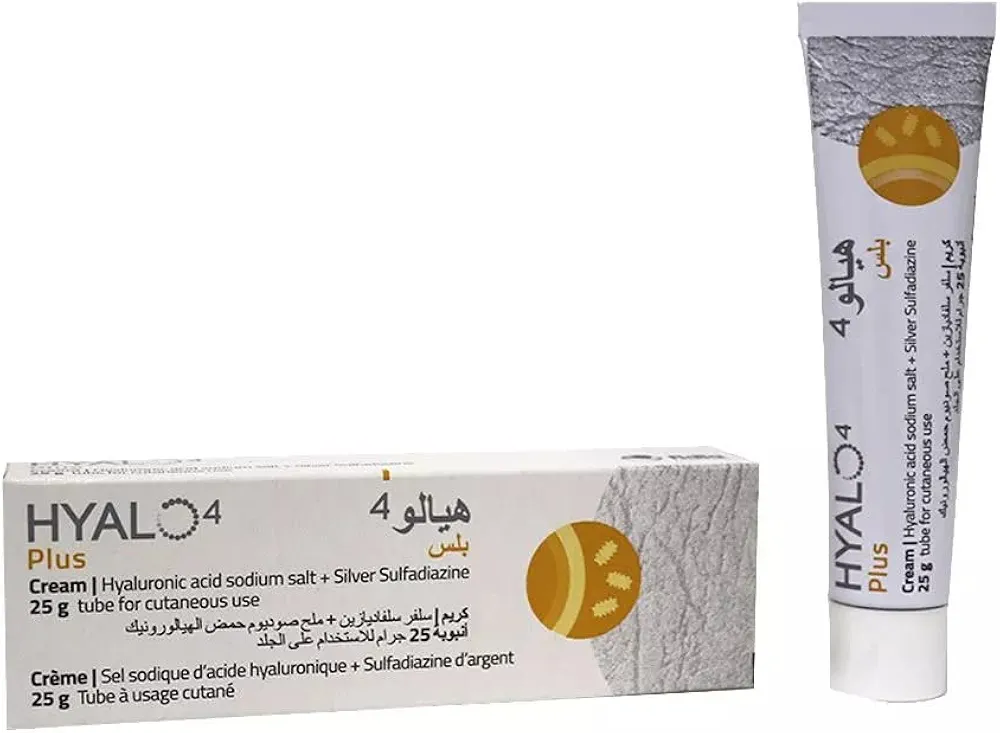
In a modern clinical setting, the management of Basal Joint Arthritis (Thumb), Right Hand, requires a multidisciplinary approach that integrates conservative care, specialized surgical intervention, and patient education. Initial treatment often focuses on symptom relief through pharmacological management, including anti-inflammatory agents such as Celcox / سيلكوكس 100mg, Mediflam D.T / ميديفلام دي تي 50 mg, or Meloxicam / ميلوكسيكام 25mg, alongside topical support like Hyalo4 plus cream / هيالو 4 بلس كريم 0.2% / 1% and mechanical stabilization using a Thumb Spica Splint / جبيرة إبهام سبايكا (الأطراف الصناعية والجبائر التقويمية). When conservative measures fail, surgical options are tailored to the patient's specific pathology, utilizing specialized equipment like the Bone Rongeur (Leksell) / ملقط عظم (ليكسيل) for procedures such as Thumb Carpometacarpal Joint Arthroplasty: An Intraoperative Masterclass in Resurfacing and Total Joint Replacement, Thumb Carpometacarpal Arthrodesis: An Intraoperative Masterclass for Basal Joint Arthritis, or [Thumb Carpometacarpal Joint Ligament Stabilization: An Operative Masterclass](https://www.hutaifortho.com/en/hub/thumb-carpometacarpal-joint-implant-and-resurfacing-arthroplasty/ligament-stabilization-of-the-un